

Subscribe To Our Newsletter!
Subscribe to the newsletter to stay up to date with the latest news and most useful
Newsletter
↑
Back to Top



Product Overview |
|---|
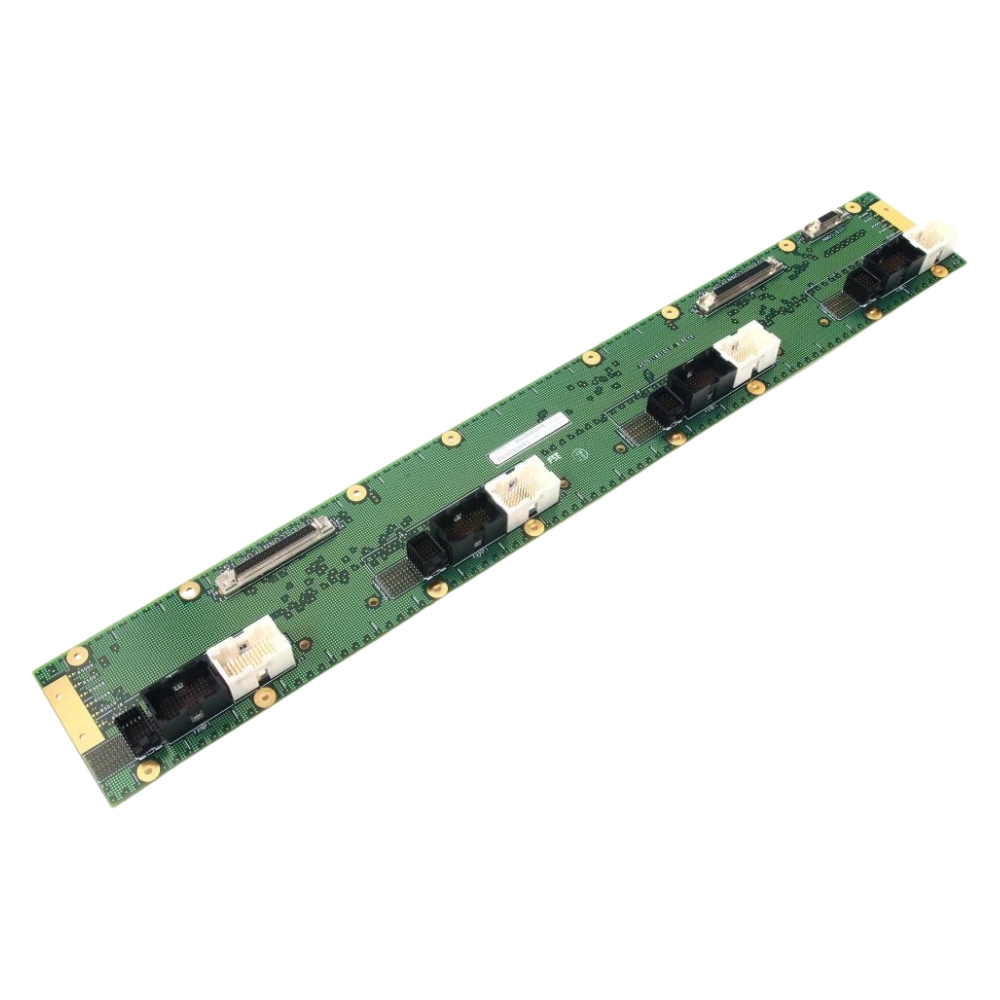
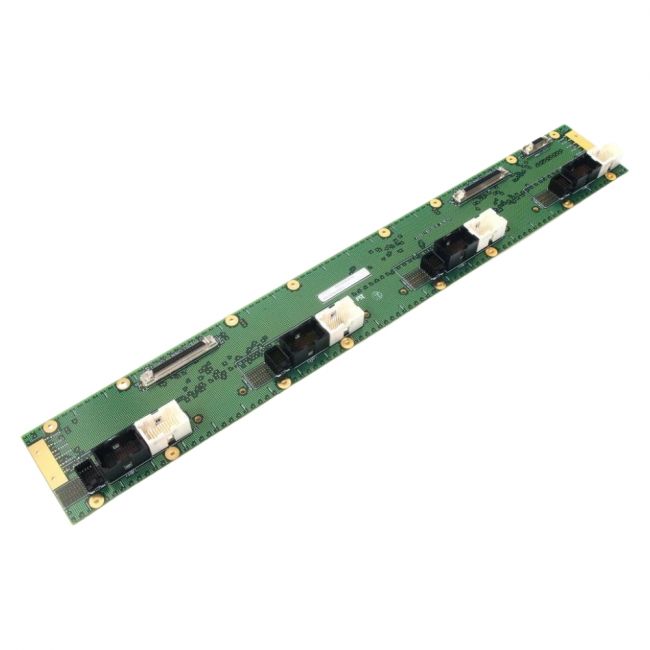
The A5201-60005 HP Rear Input/Output Backplane Board functions as a central conduit for data and communication signals within HP Superdome servers. It fits into the server's architecture to provide stable connections between internal modules, ensuring smooth operation of critical workloads and supporting the overall infrastructure integrity. |
General Information |
|
|---|---|
| Brand | HP |
Technical Information |
|
|---|---|
| Backplane Type | Midplane |
| Compatibility | HP Superdome |
Miscellaneous |
|
|---|---|
| Assembly Required | No |
Physical Characteristics |
|
|---|---|
| Weight | 3.00 |
| Condition | Refurbished |
Product Description |
|---|
The A5201-60005 HP Rear Input/Output Backplane Board serves as a critical communication hub within HP Superdome servers, facilitating the smooth transmission of data across various modules. This component is often found in high-capacity server chassis where robust data routing is essential. Built for IT professionals managing enterprise systems, it helps maintain system integrity and uptime by supporting essential interconnections. Key Features
This backplane board plays a vital role in ensuring stable and efficient operation of HP Superdome servers. It contributes to the overall reliability and performance of the system by managing key data pathways. Its design supports consistent performance in mission-critical environments where hardware dependability is paramount. |
Use Cases |
|---|
This backplane board is typically implemented in large-scale enterprise data centers that deploy HP Superdome servers. It benefits system administrators and IT professionals responsible for maintaining high-availability server environments where consistent data flow and hardware reliability are essential. How It's Used:
The A5201-60005 backplane board underpins efficient data handling within complex server architectures, contributing to operational stability. Its role in maintaining seamless communication supports overall system scalability and performance in demanding IT environments. |
 Shipping Options
 International Delivery
Requires a UPS, FedEx, or DHL account. Customers may arrange pickup from our US warehouse.
International Delivery
Requires a UPS, FedEx, or DHL account. Customers may arrange pickup from our US warehouse.
 Payment Methods
We accept Visa, Mastercard, AMEX, Discover, and Wire Transfer.
Payment Methods
We accept Visa, Mastercard, AMEX, Discover, and Wire Transfer.
 Purchase Orders
We process purchase orders for government agencies, enterprises, data centers, and SMBs.
Purchase Orders
We process purchase orders for government agencies, enterprises, data centers, and SMBs.