

Subscribe To Our Newsletter!
Subscribe to the newsletter to stay up to date with the latest news and most useful
Newsletter
↑
Back to Top



Product Overview |
|---|
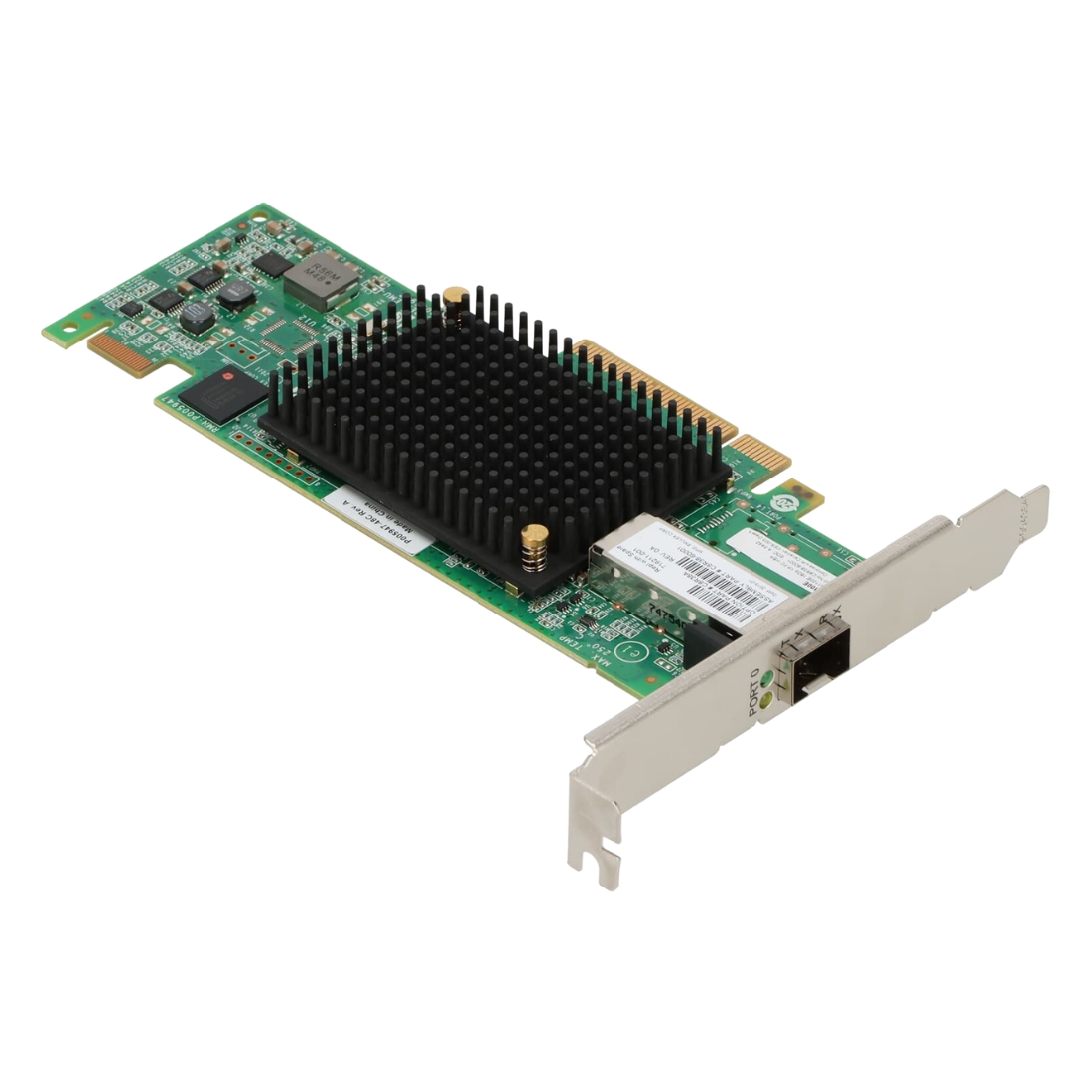
The A3723A HP 1-Port 10/100Base-TX 100Mb/s EISA Adapter delivers stable Ethernet connectivity specifically designed for legacy EISA slot systems. It fits well within environments requiring maintained network capabilities on older hardware, balancing efficiency and compatibility without complexity. |
General Information |
|
|---|---|
| Brand | HP |
Technical Information |
|
|---|---|
| Product Type | Network Interface Card |
| Data Rate (Speed) | 10/100 Mbps |
| Data Center Bridging | No |
| Number of Ports | 1-Port |
| Bracket Height | Full Height (Standard) |
Connectivity & Physical |
|
|---|---|
| Port Type | RJ-45 (Copper) |
| Cabling Type | Cat5e |
| Weight | 3.00 |
| Condition | Refurbished |
Miscellaneous |
|
|---|---|
| Assembly Required | No |
Product Description |
|---|
The A3723A HP 1-Port 10/100Base-TX Adapter is designed to provide stable Ethernet connectivity in systems with EISA slots, commonly found in older server and workstation environments. Built for network communications over twisted-pair copper cabling, it offers consistent 100 Mb/s speeds that align with standard Ethernet infrastructure. Often found in legacy hardware setups, this adapter suits organizations maintaining or extending the life of their existing computing assets. It is primarily used by IT administrators and network professionals who require dependable network access on vintage platforms. Key Features
This network adapter plays a practical role in extending the usability of legacy systems by providing essential Ethernet connectivity without demanding excessive system resources. It maintains reliable performance and integration within established network environments where newer PCI or PCIe slots may not be available. |
Use Cases |
|---|
This adapter is typically deployed in environments where legacy EISA hardware remains operational, such as older data centers, manufacturing plants, or archival IT infrastructure. Network teams benefit from its straightforward design when managing systems that lack modern expansion slots but still require reliable Ethernet access. How It's Used:
Overall, the adapter aids in sustaining network operations across diverse legacy systems by offering dependable performance and compatibility. It helps organizations maintain functional networks without extensive hardware upgrades, supporting smooth operational continuity. |
 Shipping Options
 International Delivery
Requires a UPS, FedEx, or DHL account. Customers may arrange pickup from our US warehouse.
International Delivery
Requires a UPS, FedEx, or DHL account. Customers may arrange pickup from our US warehouse.
 Payment Methods
We accept Visa, Mastercard, AMEX, Discover, and Wire Transfer.
Payment Methods
We accept Visa, Mastercard, AMEX, Discover, and Wire Transfer.
 Purchase Orders
We process purchase orders for government agencies, enterprises, data centers, and SMBs.
Purchase Orders
We process purchase orders for government agencies, enterprises, data centers, and SMBs.