

Subscribe To Our Newsletter!
Subscribe to the newsletter to stay up to date with the latest news and most useful
Newsletter
↑
Back to Top



Product Overview |
|---|
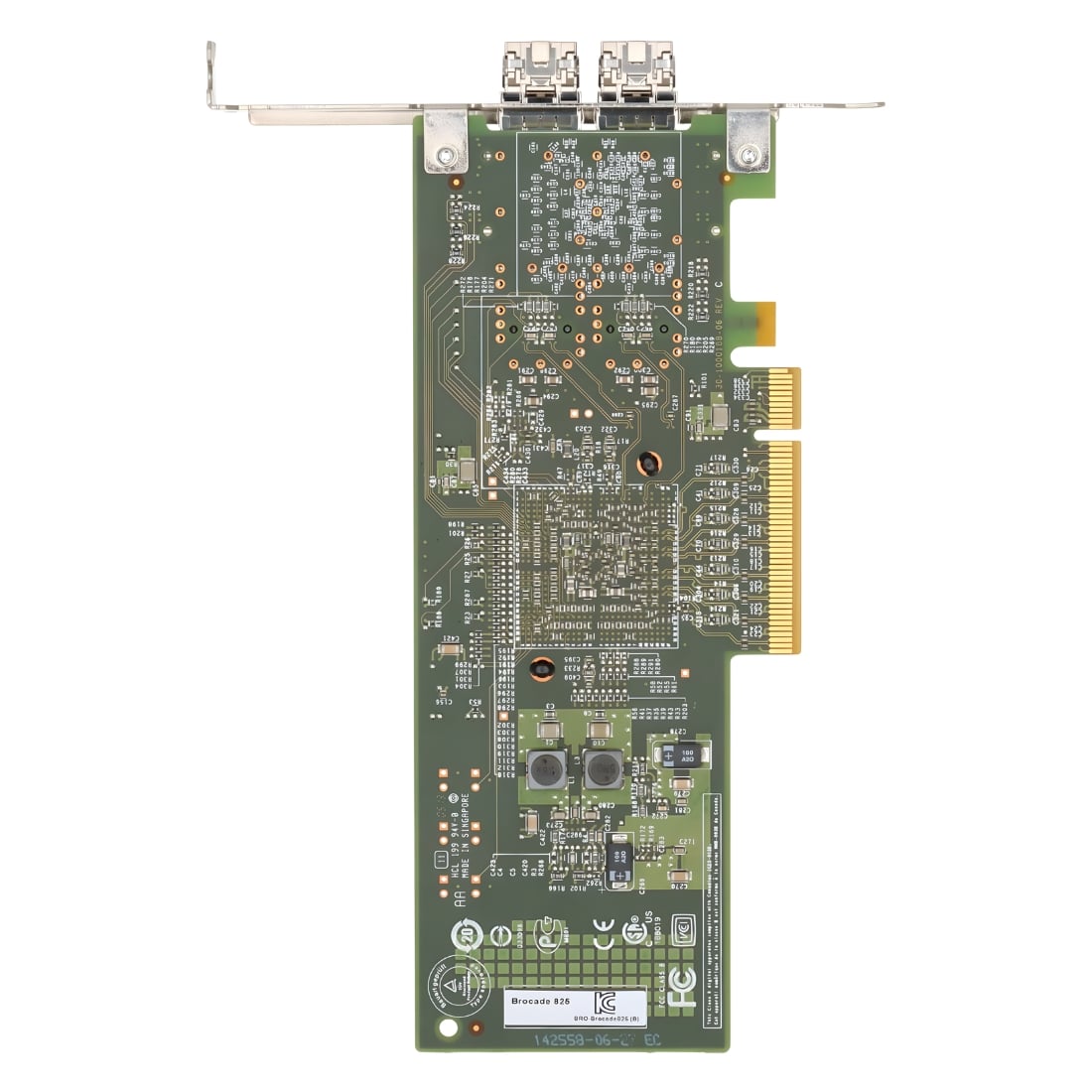
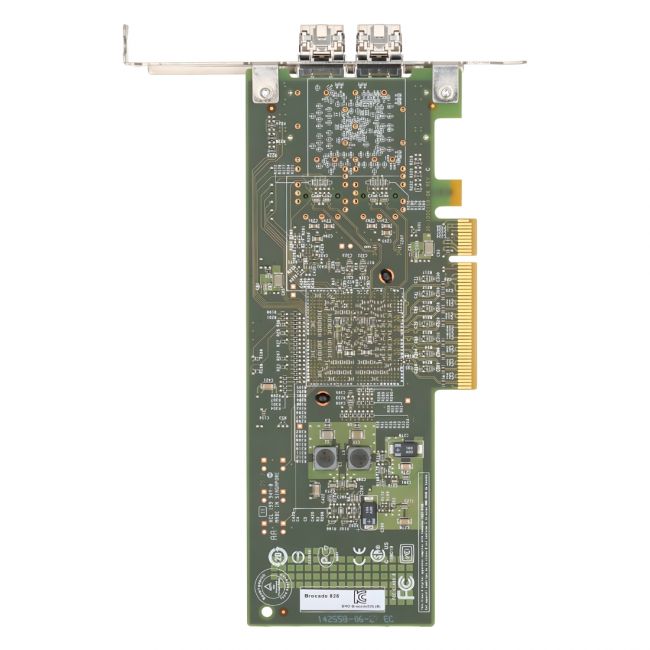
The IBM NetXtreme II ML2 2-Ports 10GBase-T Ethernet Network Adapter delivers dual 10 Gigabit Ethernet connectivity using standard copper cables. It fits into IBM server environments where reliable, high-speed network access is needed without changing existing infrastructure. |
General Information |
|
|---|---|
| Brand | IBM |
| Part Number | 94Y5231 |
| Alternate Part Number | 94Y5231-13-CT |
Connectivity & Physical |
|
|---|---|
| Condition | Refurbished |
Miscellaneous |
|
|---|---|
| Assembly Required | Yes |
| Eco Friendly | Yes |
| Compliance Standards | WEEE, RoHS, cURus, CE, FCC, CCC, UL, TUV, cULus, CSA, cUL |
Product Description |
|---|
This IBM NetXtreme II ML2 network adapter provides two 10GBase-T ports, enabling fast and reliable Ethernet connections. It's commonly used in data centers and enterprise environments where high network performance is essential. Built for IBM servers, it caters to IT professionals and system administrators aiming to boost network speed and efficiency. Key Features
This adapter is often found in rack servers within enterprise IT setups, helping to maintain fast communication between systems. Its ability to handle high bandwidth tasks makes it a reliable choice for storage, virtualization, and cloud computing networks. |
Use Cases |
|---|
The IBM NetXtreme II ML2 2-Ports 10GBase-T Ethernet Network Adapter is primarily deployed in enterprise data centers and server rooms where high-throughput and low-latency network connections are critical. It suits IT environments that maintain existing copper cabling infrastructure but require an upgrade to 10 Gigabit Ethernet speeds for demanding virtualization and storage workloads. How It's Used:
This adapter effectively supports operational scalability by leveraging existing copper infrastructures while delivering 10G network performance. Its integration in IBM server platforms streamlines network modernization efforts, improving data throughput and lowering latency for complex workloads. |
 Shipping Options
 International Delivery
Requires a UPS, FedEx, or DHL account. Customers may arrange pickup from our US warehouse.
International Delivery
Requires a UPS, FedEx, or DHL account. Customers may arrange pickup from our US warehouse.
 Payment Methods
We accept Visa, Mastercard, AMEX, Discover, and Wire Transfer.
Payment Methods
We accept Visa, Mastercard, AMEX, Discover, and Wire Transfer.
 Purchase Orders
We process purchase orders for government agencies, enterprises, data centers, and SMBs.
Purchase Orders
We process purchase orders for government agencies, enterprises, data centers, and SMBs.