

Subscribe To Our Newsletter!
Subscribe to the newsletter to stay up to date with the latest news and most useful
Newsletter
↑
Back to Top



Product Overview |
|---|
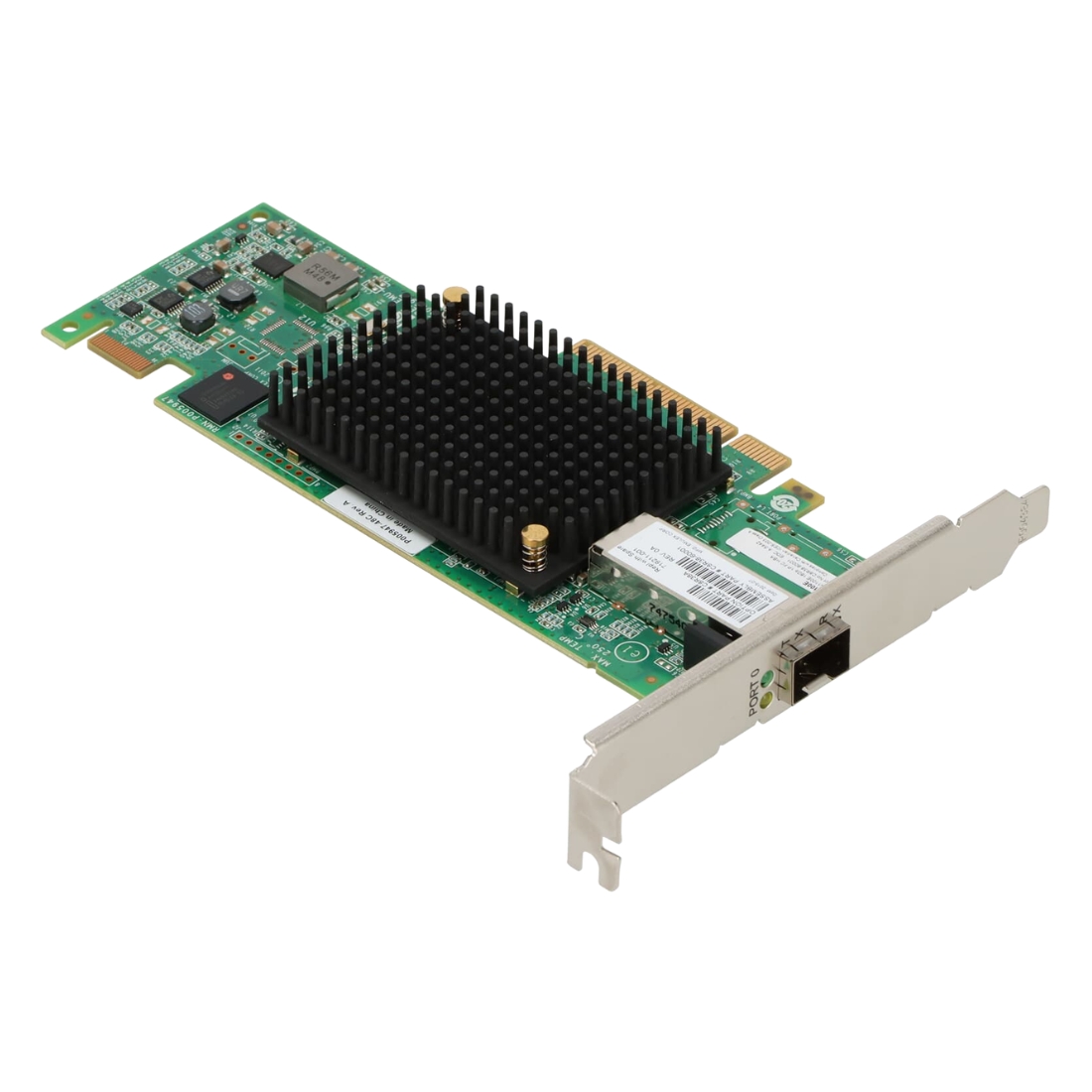
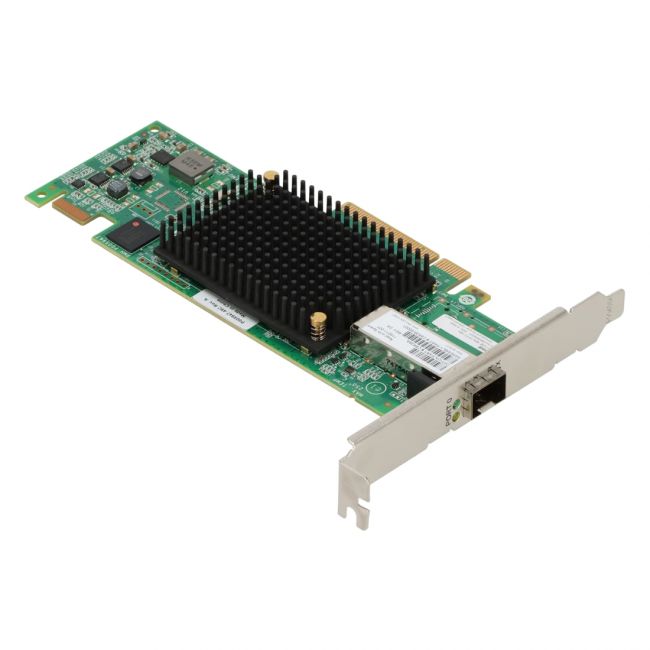
The 94H1038 - IBM Single-Port RJ-45 Token Ring DB-9 PCI Network Adapter offers straightforward Token Ring network access through a single RJ-45 port. It fits into PCI slots and supports legacy DB-9 connections, making it a practical component for systems that require legacy network protocol support without extensive hardware changes. |
General Information |
|
|---|---|
| Brand | IBM |
Technical Information |
|
|---|---|
| Product Type | Network Interface Card |
| Data Center Bridging | No |
| Number of Ports | 1-Port |
| Bracket Height | Full Height (Standard) |
Connectivity & Physical |
|
|---|---|
| Form Factor | Full Height |
| Port Type | RJ-45 (Copper) |
| Weight | 3.00 |
| Condition | Refurbished |
Miscellaneous |
|
|---|---|
| Assembly Required | No |
Product Description |
|---|
The 94H1038 - IBM Single-Port RJ-45 Token Ring DB-9 PCI Network Adapter enables connection to Token Ring networks using a single RJ-45 interface. It is commonly found in environments maintaining legacy network infrastructure where Token Ring protocols are still in operation. Built for systems with PCI bus slots, this adapter serves users managing legacy networking equipment or integrating older hardware platforms into existing network setups. Key Features
This adapter provides a practical solution for maintaining network connectivity in environments reliant on Token Ring technology. Its reliability and PCI compatibility help extend the functional life of legacy systems without compromising network performance. |
Use Cases |
|---|
This network adapter is typically deployed in IT environments where Token Ring networks remain operational, often in enterprises or institutions with legacy infrastructure. It benefits users who need to sustain legacy connectivity alongside modern systems without significant overhauls. How It's Used:
This adapter supports operational continuity within legacy environments by ensuring consistent network performance and scalability. It allows IT staff to maintain specialized network segments without disrupting overall infrastructure stability. |
 Shipping Options
 International Delivery
Requires a UPS, FedEx, or DHL account. Customers may arrange pickup from our US warehouse.
International Delivery
Requires a UPS, FedEx, or DHL account. Customers may arrange pickup from our US warehouse.
 Payment Methods
We accept Visa, Mastercard, AMEX, Discover, and Wire Transfer.
Payment Methods
We accept Visa, Mastercard, AMEX, Discover, and Wire Transfer.
 Purchase Orders
We process purchase orders for government agencies, enterprises, data centers, and SMBs.
Purchase Orders
We process purchase orders for government agencies, enterprises, data centers, and SMBs.