

Subscribe To Our Newsletter!
Subscribe to the newsletter to stay up to date with the latest news and most useful
Newsletter
↑
Back to Top



Product Overview |
|---|
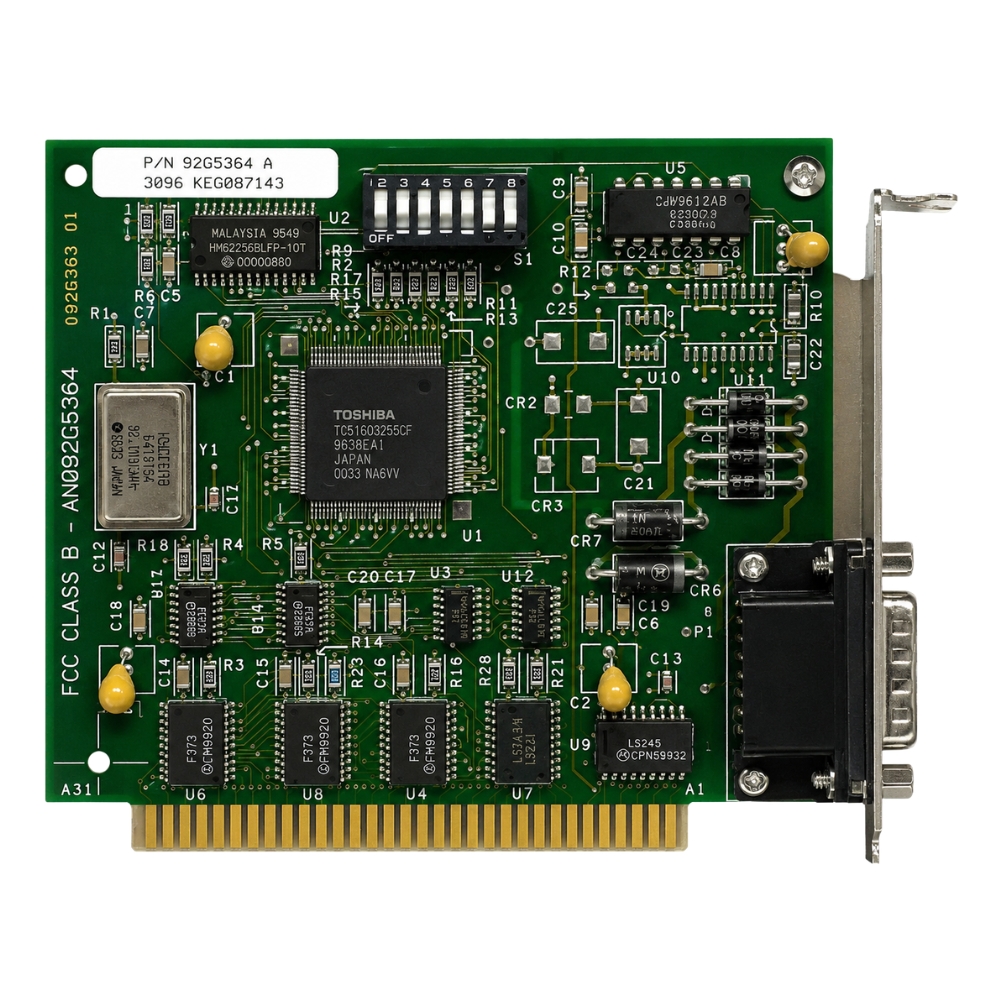
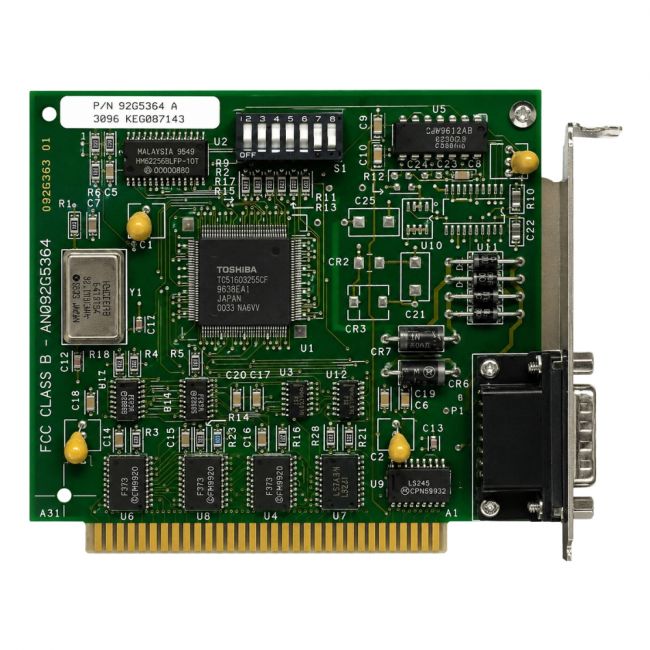
The IBM 5250 ISA Adapter Card provides a straightforward interface for IBM 5250 terminals to communicate with host systems via the ISA bus. It fits into existing midrange computing setups, enabling the continuation of legacy terminal operations without extensive modifications. |
General Information |
|
|---|---|
| Brand | IBM |
Technical Information |
|
|---|---|
| Generation | N/A |
| Bracket Height | Full Height (Standard) |
Physical Characteristics |
|
|---|---|
| Form Factor | ISA Card (Industry Standard Architecture, full-length) |
| Weight | 3.00 |
| Condition | Refurbished |
Miscellaneous |
|
|---|---|
| Assembly Required | No |
Product Description |
|---|
The IBM 5250 ISA Adapter Card is built for integrating IBM 5250 terminal communications with compatible host systems. It is commonly found in environments where legacy IBM midrange systems require stable and consistent terminal connections. Often utilized by IT professionals managing IBM AS/400 or System i infrastructures, this adapter card facilitates seamless data exchange through the ISA bus interface. It supports the essential protocols needed for 5250 terminal emulation. Key Features
This adapter card plays a crucial role in maintaining operational continuity for legacy IBM terminal setups. Its dependable performance helps preserve essential communication pathways without requiring newer infrastructure changes. Overall, it offers a practical solution for environments where continued use of 5250 terminals is necessary, ensuring both reliability and ease of integration. |
Use Cases |
|---|
This adapter card is typically found in data centers or IT environments where IBM AS/400 or System i systems are in operation. It benefits teams maintaining legacy terminal connectivity or supporting older application infrastructures. How It's Used:
By ensuring reliable terminal communication, this adapter supports operational stability and preserves legacy infrastructure functionality. Its role in these settings is essential for consistent system performance over time. |
 Shipping Options
 International Delivery
Requires a UPS, FedEx, or DHL account. Customers may arrange pickup from our US warehouse.
International Delivery
Requires a UPS, FedEx, or DHL account. Customers may arrange pickup from our US warehouse.
 Payment Methods
We accept Visa, Mastercard, AMEX, Discover, and Wire Transfer.
Payment Methods
We accept Visa, Mastercard, AMEX, Discover, and Wire Transfer.
 Purchase Orders
We process purchase orders for government agencies, enterprises, data centers, and SMBs.
Purchase Orders
We process purchase orders for government agencies, enterprises, data centers, and SMBs.