

Subscribe To Our Newsletter!
Subscribe to the newsletter to stay up to date with the latest news and most useful
Newsletter
↑
Back to Top



Product Overview |
|---|
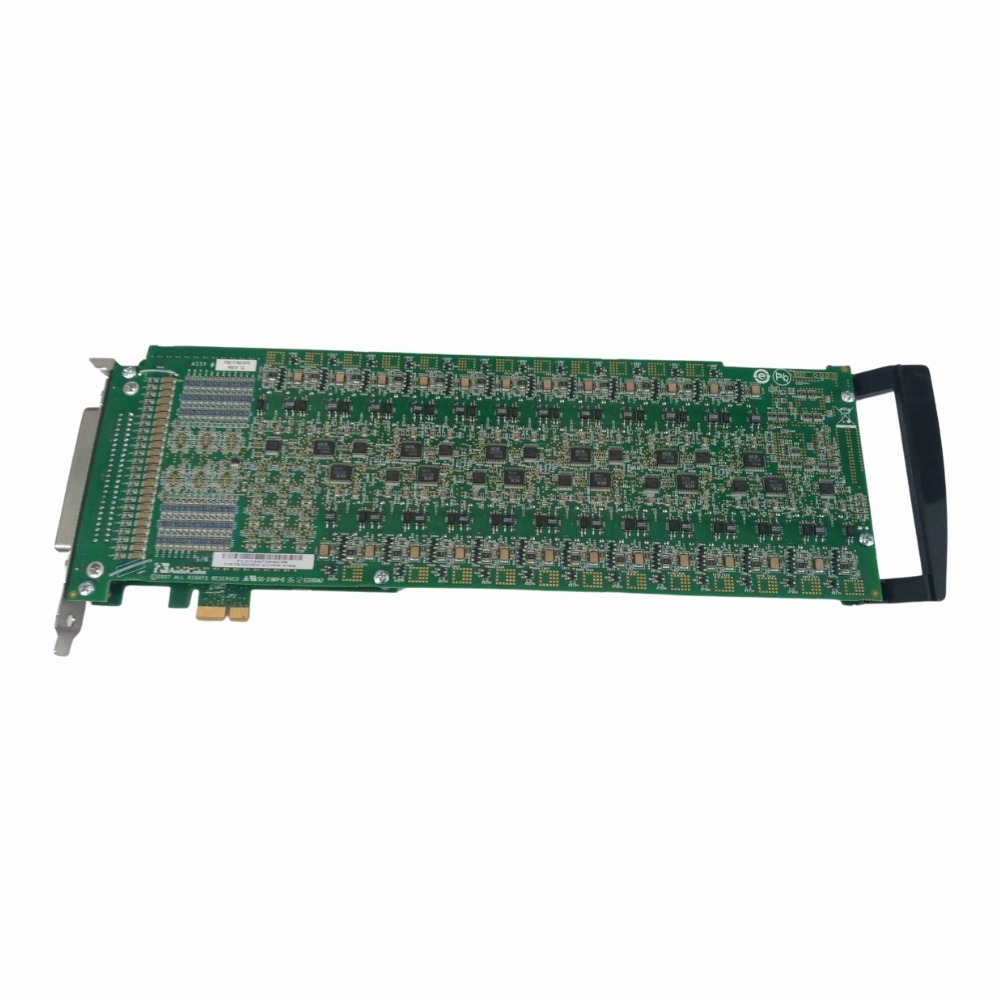
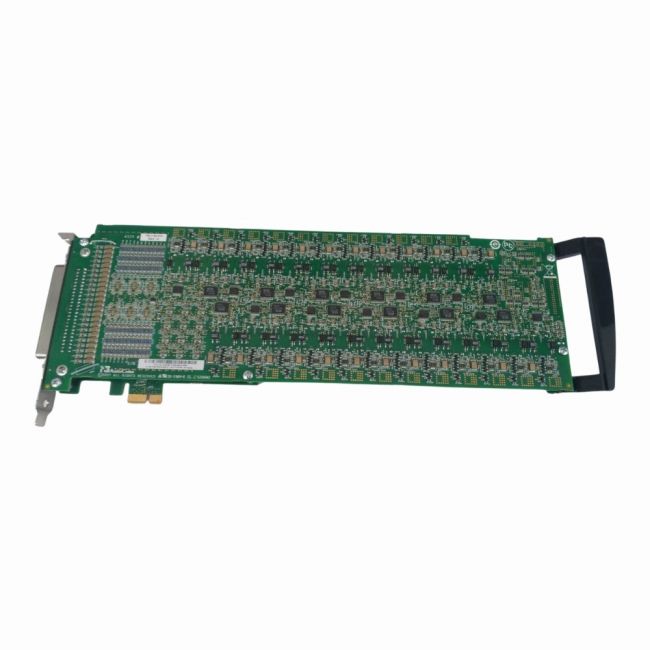
The Audiocodes 24 x Ports Analog Voice Interface Card serves as a bridge between analog voice lines and digital communication systems. It fits into telephony gateways or voice gateways, allowing businesses to connect multiple analog phones or fax lines to their network with reliable performance and broad compatibility. |
General Information |
|
|---|---|
| Part Number | 910-0701-003 |
Connectivity & Physical |
|
|---|---|
| Weight | 4.00 |
| Condition | Refurbished |
Miscellaneous |
|
|---|---|
| Assembly Required | Yes |
| Eco Friendly | Yes |
| Compliance Standards | WEEE, RoHS, cURus, CE, FCC, CCC, UL, TUV, cULus, CSA, cUL |
Product Description |
|---|
This Audiocodes analog voice interface card provides 24 ports to connect traditional analog telephony lines to modern communication systems. It is often found in telephony gateways and unified communication setups where analog line integration is needed. Built for businesses and service providers, the card allows seamless bridging between legacy phone equipment and IP-based telephony networks. Its robust design supports continuous voice traffic with clear signal quality. Key Features
This interface card is typically deployed in medium to large office installations, call centers, or service provider environments. It plays a crucial role in maintaining traditional voice lines while transitioning to IP telephony. |
Use Cases |
|---|
The Audiocodes 24-Port Analog Voice Interface Card is primarily utilized in enterprise communication infrastructures that require the integration of legacy analog devices with modern digital systems. Organizations managing large volumes of voice traffic, such as contact centers or branch offices, benefit from its ability to consolidate analog voice lines without extensive infrastructure overhaul. How It's Used:
This interface card enhances operational efficiency by consolidating analog voice channels into digital networks, allowing organizations to scale their telephony infrastructure while maintaining compatibility with existing analog equipment. It supports reliable, high-density voice integration tailored to complex communication topologies. |
 Shipping Options
 International Delivery
Requires a UPS, FedEx, or DHL account. Customers may arrange pickup from our US warehouse.
International Delivery
Requires a UPS, FedEx, or DHL account. Customers may arrange pickup from our US warehouse.
 Payment Methods
We accept Visa, Mastercard, AMEX, Discover, and Wire Transfer.
Payment Methods
We accept Visa, Mastercard, AMEX, Discover, and Wire Transfer.
 Purchase Orders
We process purchase orders for government agencies, enterprises, data centers, and SMBs.
Purchase Orders
We process purchase orders for government agencies, enterprises, data centers, and SMBs.