

Subscribe To Our Newsletter!
Subscribe to the newsletter to stay up to date with the latest news and most useful
Newsletter
↑
Back to Top



Product Overview |
|---|
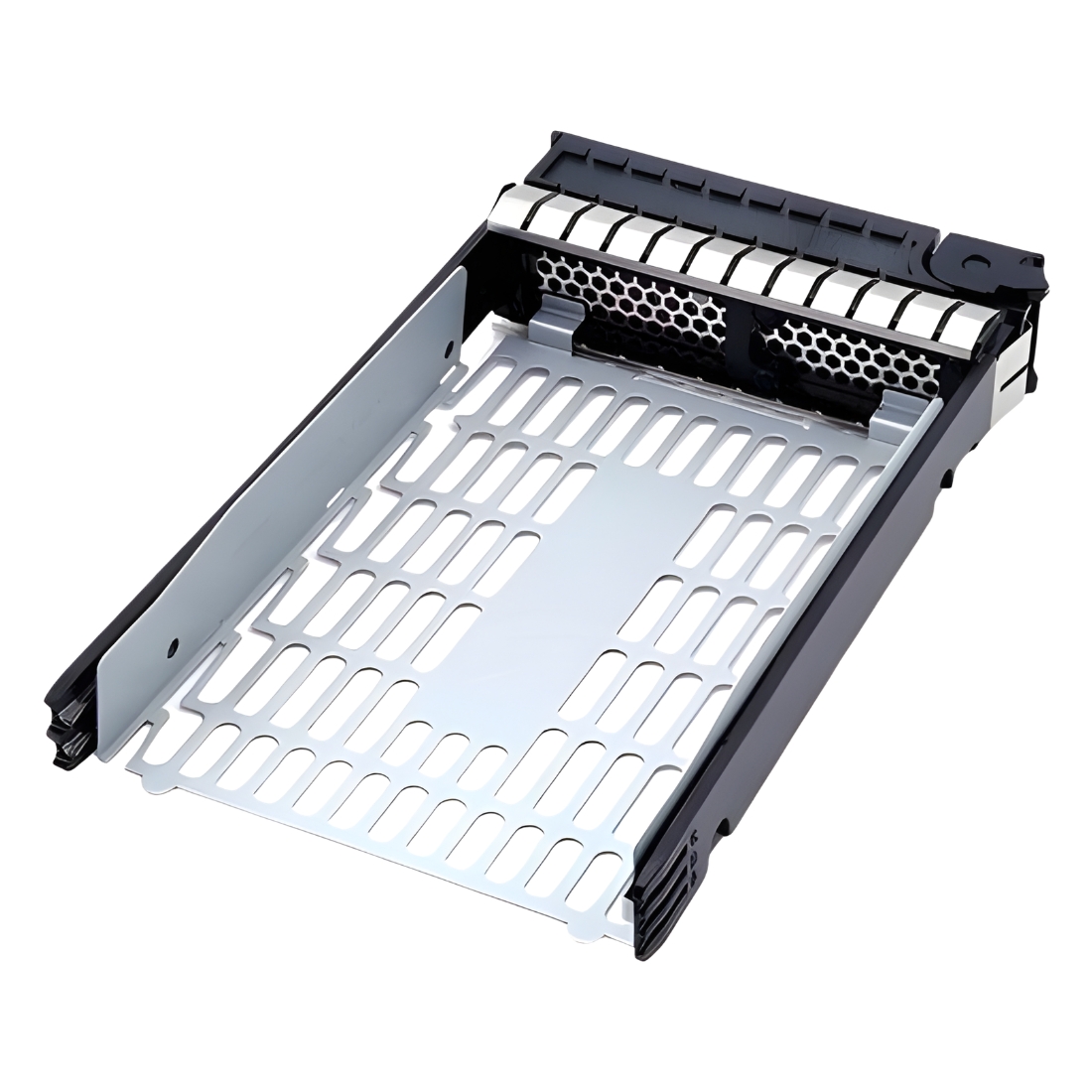
The IBM Remote SuperCap and Battery Tray for the x3650 M4 offers backup power support tailored for enterprise servers. It fits within the server chassis, providing an extra layer of protection by using supercapacitors and batteries to maintain power for critical data operations during outages. |
General Information |
|
|---|---|
| Brand | IBM |
| Part Number | 90Y5046 |
| Alternate Part Number | 90Y5046-01-UK |
Technical Information |
|
|---|---|
| Battery Type | SuperCap (Supercapacitor) |
| Compatibility | IBM System x3650 M4 |
Physical Characteristics |
|
|---|---|
| Condition | Refurbished |
| Weight | 3.00 |
Miscellaneous |
|
|---|---|
| Eco Friendly | Yes |
| Assembly Required | Yes |
| Compliance Standards | WEEE, RoHS, cURus, CE, FCC, CCC, UL, TUV, cULus, CSA, cUL |
Product Description |
|---|
The IBM Remote SuperCap and Battery Tray is built for the x3650 M4 server model to provide critical backup power when the main supply is interrupted. This component is often found in data centers and enterprise environments where server uptime and data integrity are essential. Designed for IT professionals managing IBM servers, it supports smooth operation by giving enough power for safe shutdowns or data flushing during unexpected outages. Its remote setup allows straightforward monitoring and maintenance without server downtime. Key Features
This battery tray and supercapacitor module is typically used in server racks where critical applications run continuously. It plays a key role in preventing data loss and hardware damage, making it an important part of server reliability infrastructure. |
Use Cases |
|---|
The 90Y5046 IBM Remote SuperCap and Battery Tray is primarily used in enterprise server management to safeguard data during power disruptions. How It's Used:
By integrating this component, organizations can reduce the risk of data loss and improve the reliability of their server infrastructure during unforeseen power events. |
 Shipping Options
 International Delivery
Requires a UPS, FedEx, or DHL account. Customers may arrange pickup from our US warehouse.
International Delivery
Requires a UPS, FedEx, or DHL account. Customers may arrange pickup from our US warehouse.
 Payment Methods
We accept Visa, Mastercard, AMEX, Discover, and Wire Transfer.
Payment Methods
We accept Visa, Mastercard, AMEX, Discover, and Wire Transfer.
 Purchase Orders
We process purchase orders for government agencies, enterprises, data centers, and SMBs.
Purchase Orders
We process purchase orders for government agencies, enterprises, data centers, and SMBs.