

Subscribe To Our Newsletter!
Subscribe to the newsletter to stay up to date with the latest news and most useful
Newsletter
↑
Back to Top



Product Overview |
|---|
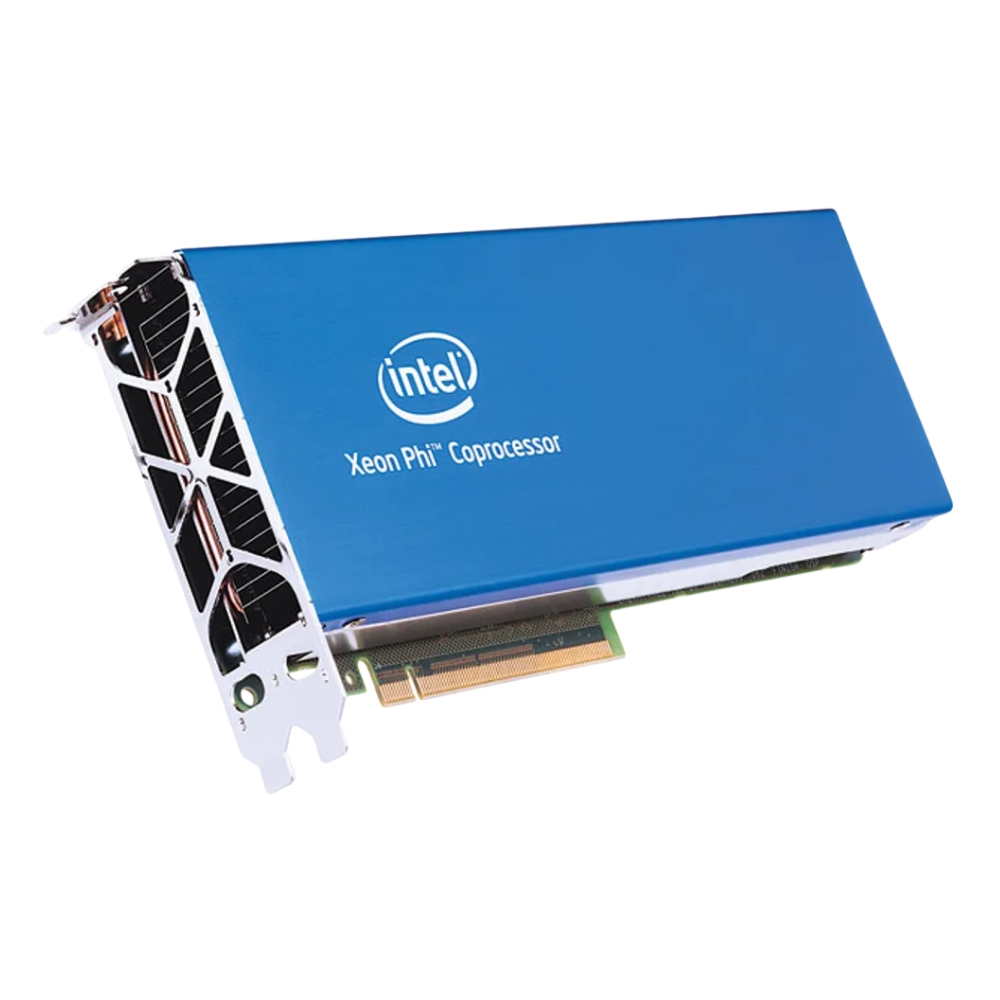
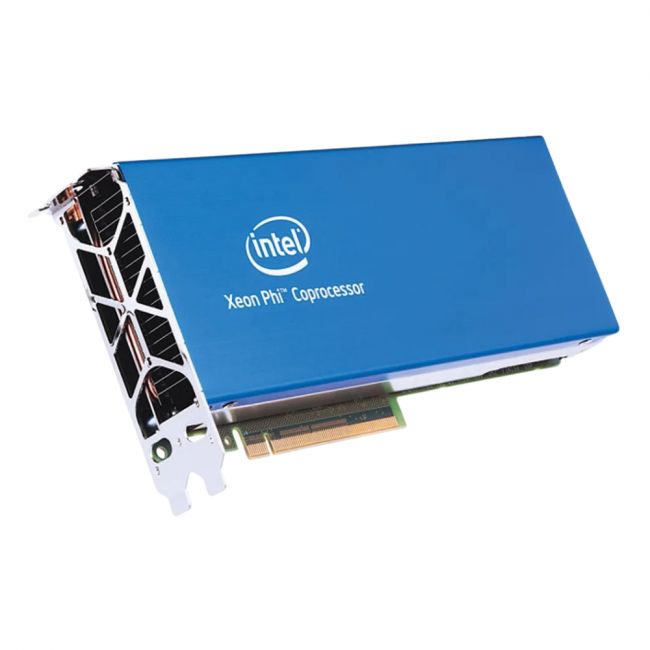
The Lenovo Intel Xeon Phi 5110P accelerator card is designed to enhance processing power by providing a highly parallel 60-core architecture. It fits into server systems focused on high-performance computing and is particularly useful for tasks that demand extensive parallelism, such as scientific modeling and data analysis workloads. |
General Information |
|
|---|---|
| Brand | Lenovo |
| Part Number | 90Y2366 |
| Series | Intel Xeon Phi 5110P (60 cores, ~1.053 GHz, 8GB GDDR5, ~225W TDP, Many Integrated Core (MIC) architecture) |
| Alternate Part Number | 90Y2366-03-CT |
Miscellaneous |
|
|---|---|
| Assembly Required | Yes |
| Eco Friendly | Yes |
| Compliance Standards | WEEE, RoHS, CE, FCC |
Physical Characteristics |
|
|---|---|
| Weight | 3.00 |
| Condition | Refurbished |
Product Description |
|---|
This Lenovo accelerator card features the Intel Xeon Phi 5110P, a many-core processor designed to boost computational performance for demanding applications. It is commonly used in high-performance computing environments where tasks benefit from parallel processing. Built for data centers and research institutions, this card helps speed up workloads like scientific simulations, data analytics, and complex modeling. Engineers, researchers, and IT professionals often integrate it into Lenovo servers to enhance processing capabilities. Key Features
Typically deployed in data centers running simulations, machine learning, or large-scale analytics, this accelerator card enables faster completion of complex computations. Its role is crucial when standard processors can’t deliver the needed throughput for specialized tasks. |
Use Cases |
|---|
The 90Y2366 accelerator card is designed to boost performance in environments requiring extensive parallel computing power. How It's Used:
This card integrates into Lenovo server infrastructure to provide scalable processing power for demanding computational workloads. |
 Shipping Options
 International Delivery
Requires a UPS, FedEx, or DHL account. Customers may arrange pickup from our US warehouse.
International Delivery
Requires a UPS, FedEx, or DHL account. Customers may arrange pickup from our US warehouse.
 Payment Methods
We accept Visa, Mastercard, AMEX, Discover, and Wire Transfer.
Payment Methods
We accept Visa, Mastercard, AMEX, Discover, and Wire Transfer.
 Purchase Orders
We process purchase orders for government agencies, enterprises, data centers, and SMBs.
Purchase Orders
We process purchase orders for government agencies, enterprises, data centers, and SMBs.