

Subscribe To Our Newsletter!
Subscribe to the newsletter to stay up to date with the latest news and most useful
Newsletter
↑
Back to Top



Product Overview |
|---|
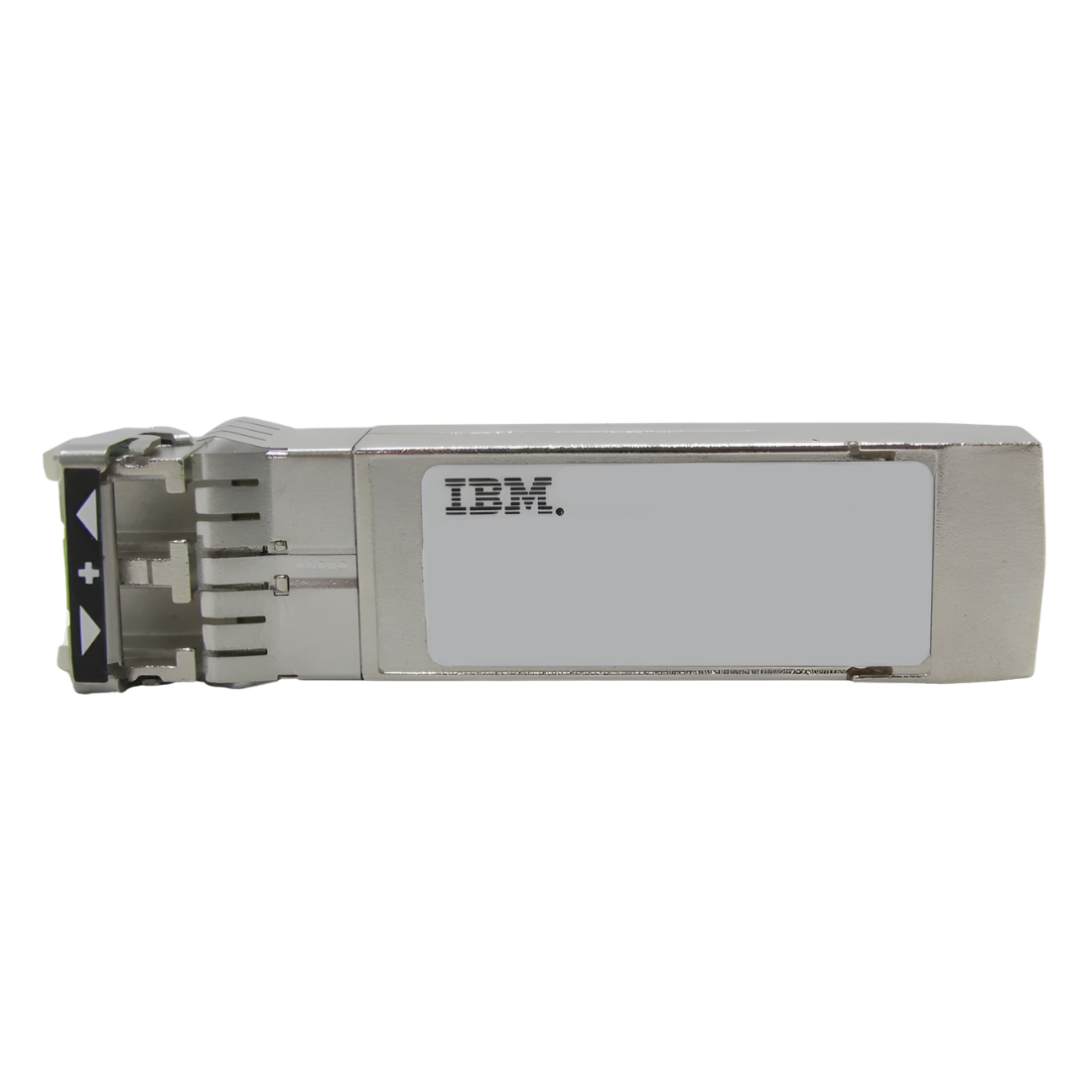
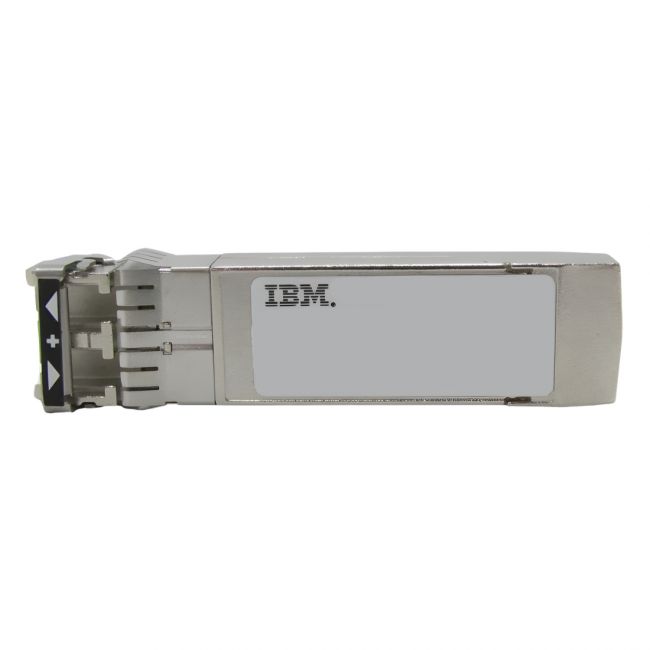
The 88Y6061 IBM Cisco 1000Base-T SFP Transceiver is a compact module that converts fiber interfaces to copper Ethernet connections within BladeCenter environments. It fits into SFP slots to provide Gigabit speeds through standard RJ-45 ports, making it a practical choice for network professionals managing IBM server hardware. |
General Information |
|
|---|---|
| Brand | Cisco |
| Part Number | 88Y6061 |
| Alternate Part Number | 88Y6061-02-UK |
Technical Information |
|
|---|---|
| Form Factor | SFP |
| Media | Cat 5e/6/6a (UTP) |
| Power Consumption | 1.0W |
| Protocols | 1000Base-T |
| Connector | RJ-45 |
| DOM Support | No |
Physical Characteristics |
|
|---|---|
| Weight | 0.02 |
| Condition | Refurbished |
Product Description |
|---|
This 1000Base-T SFP transceiver is designed to provide reliable Gigabit Ethernet connections specifically for IBM BladeCenter chassis. It converts fiber optic interfaces to copper RJ-45 ports, allowing seamless integration with standard Ethernet cabling. Often found in data centers and enterprise network environments, this transceiver is built for system administrators and IT professionals who require flexible and efficient network hardware solutions. Its compact design makes it convenient to deploy across multiple BladeCenter modules. Key Features
This transceiver is typically used in server rooms and enterprise network setups where IBM BladeCenter systems are present. It plays a key role in enabling network connectivity without needing fiber optic lines, simplifying maintenance and cable management. |
Use Cases |
|---|
The 88Y6061 transceiver is utilized in enterprise and data center networking environments requiring reliable copper-based Gigabit Ethernet connections within IBM BladeCenter chassis. How It's Used:
These use cases demonstrate the transceiver's role in maintaining and enhancing network performance in complex computing infrastructures. |
 Shipping Options
 International Delivery
Requires a UPS, FedEx, or DHL account. Customers may arrange pickup from our US warehouse.
International Delivery
Requires a UPS, FedEx, or DHL account. Customers may arrange pickup from our US warehouse.
 Payment Methods
We accept Visa, Mastercard, AMEX, Discover, and Wire Transfer.
Payment Methods
We accept Visa, Mastercard, AMEX, Discover, and Wire Transfer.
 Purchase Orders
We process purchase orders for government agencies, enterprises, data centers, and SMBs.
Purchase Orders
We process purchase orders for government agencies, enterprises, data centers, and SMBs.