

Subscribe To Our Newsletter!
Subscribe to the newsletter to stay up to date with the latest news and most useful
Newsletter
↑
Back to Top



Product Overview |
|---|
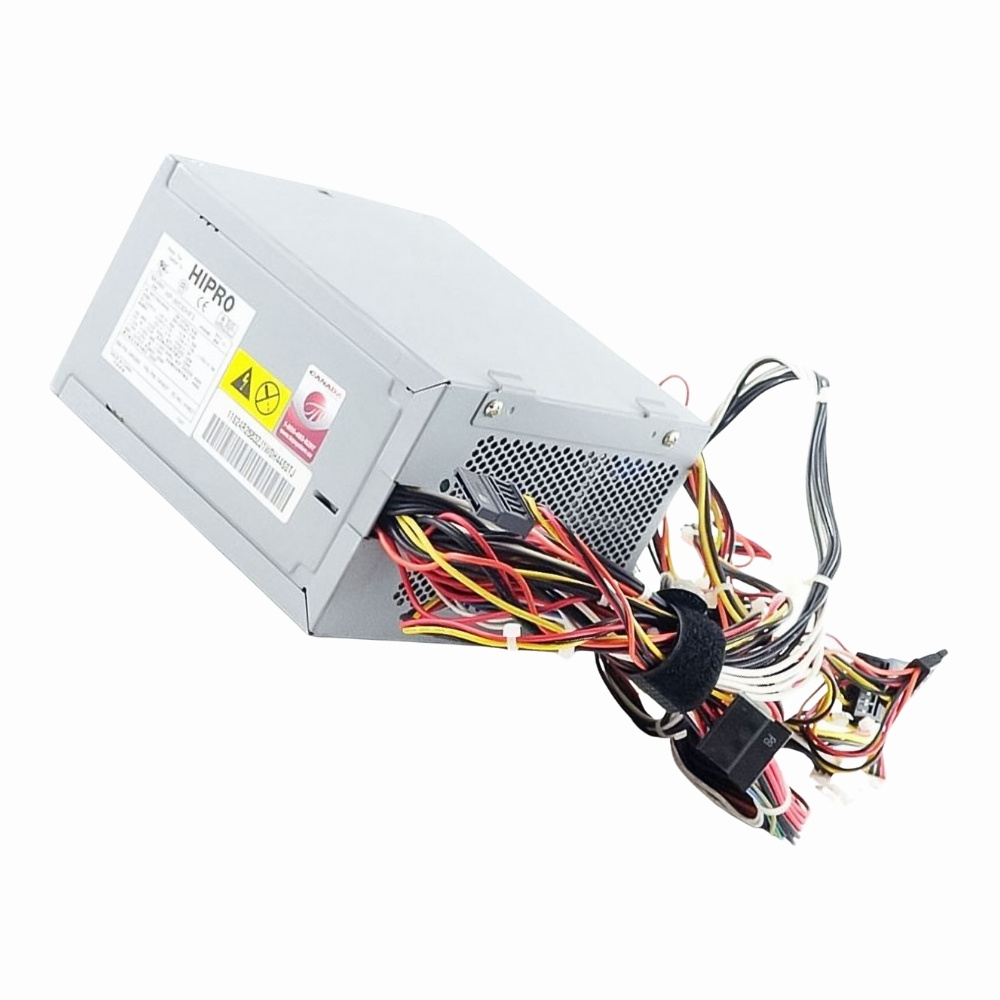
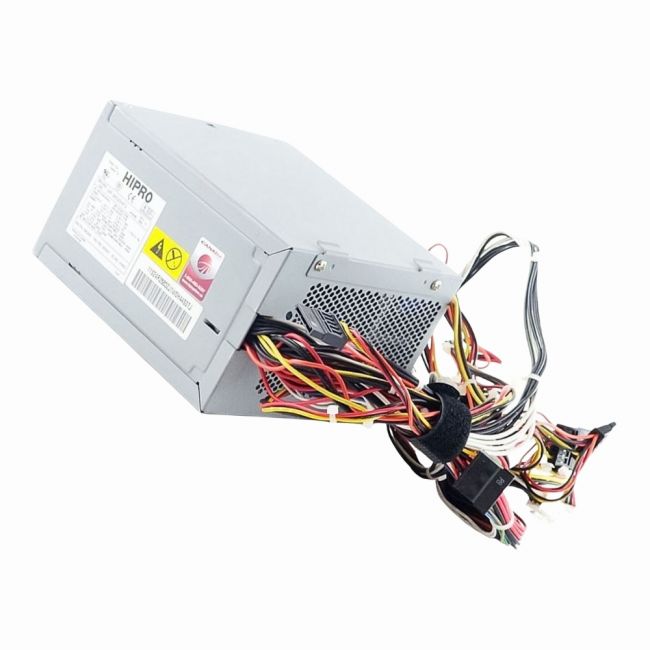
The IBM 88G2749 power supply unit supports 16-Port Async RAN systems by providing steady and reliable power within IBM network chassis. It’s an essential component in telecom setups where consistent energy delivery is crucial for asynchronous data processing and communication tasks. |
General Information |
|
|---|---|
| Brand | IBM |
| Part Number | 88G2749 |
| Product Type | Desktop Power Supply |
| Condition | Refurbished |
Physical Characteristics |
|
|---|---|
| Weight | 3.00 |
Product Description |
|---|
This IBM power supply unit is built specifically for 16-Port Async Radio Access Network (RAN) setups, providing consistent and dependable power delivery. Often found in telecommunication environments, it supports the essential hardware that manages asynchronous data communication. Engineered to meet the demands of network administrators and telecom technicians, it ensures the smooth functioning of network infrastructure that relies on stable power sources. Its design accommodates typical IBM system configurations, making it easy to integrate and maintain. Key Features
Typically deployed in telecommunication centers and data hubs, this power supply plays a critical role in maintaining network stability. It helps prevent downtime caused by power inconsistencies, ensuring that asynchronous communication between devices remains uninterrupted. |
Use Cases |
|---|
The IBM 88G2749 power supply is primarily utilized in telecommunications and networking environments where 16-Port Async RAN systems require consistent and reliable power delivery. It is especially beneficial in data centers and enterprise network operations that depend on asynchronous data processing modules for communication tasks. How It's Used:
By ensuring steady power delivery tailored to asynchronous network equipment, the IBM 88G2749 enhances operational reliability and supports scalable infrastructure growth. This contributes to maintaining high performance in complex network environments where power stability directly impacts system availability and communication efficiency. |
 Shipping Options
 International Delivery
Requires a UPS, FedEx, or DHL account. Customers may arrange pickup from our US warehouse.
 Payment Methods
We accept Visa, Mastercard, AMEX, Discover, and Wire Transfer.
 Purchase Orders
We process purchase orders for government agencies, enterprises, data centers, and SMBs.