

Subscribe To Our Newsletter!
Subscribe to the newsletter to stay up to date with the latest news and most useful
Newsletter
↑
Back to Top



Product Overview |
|---|
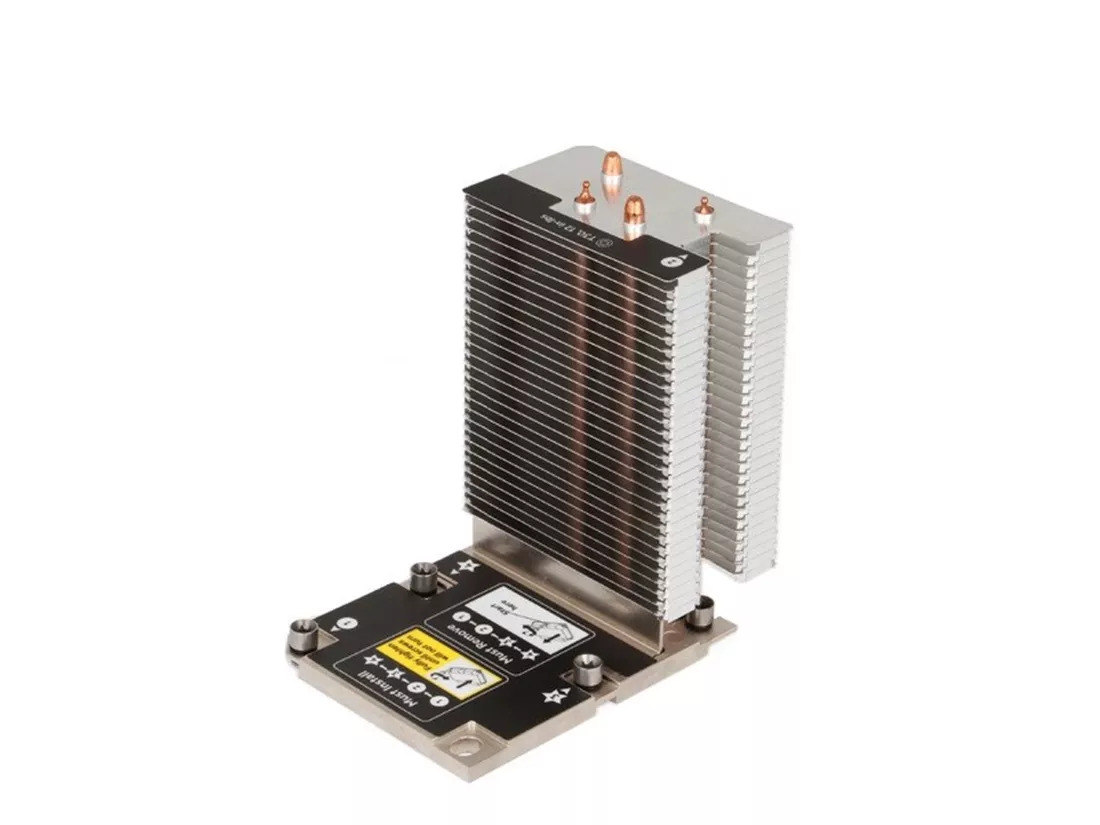
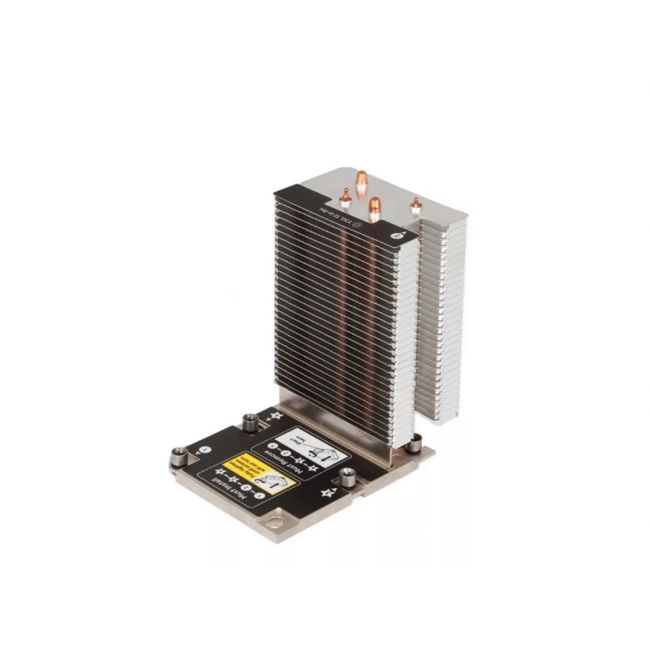
The HPE 879865-001 Heatsink for the Proliant ML110 G10 helps manage CPU temperatures by efficiently dissipating heat within the server enclosure. It's a critical part that fits directly onto compatible Intel Xeon processors, ensuring they run smoothly without overheating. This heatsink is typically used in small to medium business servers, supporting consistent performance and hardware longevity in demanding IT settings. |
General Information |
|
|---|---|
| Brand | HPE |
| Part Number | 879865-001 |
Technical Specification |
|
|---|---|
| Component Type | CPU Heatsink |
| Cooling Method | Active |
| Material | Copper base and heat pipes with aluminum fins; plastic fan housing |
| Compatibility | HPE ProLiant ML110 Gen10; HPE part 879865-001; Intel Xeon Scalable (LGA3647) processors |
| Voltage | 12V DC |
| Connector Type | 4-pin PWM (server fan header / HPE proprietary connector) |
| Airflow Direction | Front-to-back (toward rear/exhaust) |
Physical Characteristics |
|
|---|---|
| Form Factor | CPU Heatsink (server/tower module) |
| Weight | 5.00 |
| Condition | Refurbished |
Miscellaneous |
|
|---|---|
| Assembly Required | Yes |
| Eco Friendly | Yes |
| Compliance Standards | WEEE, RoHS, cURus, CE, FCC, CCC, UL, TUV, cULus, CSA, cUL |
Product Description |
|---|
The HPE 879865-001 Heatsink is built specifically for the Proliant ML110 Gen10 server line, helping to manage heat produced by high-speed Intel Xeon CPUs. It's commonly found in data centers and small business server racks where maintaining stable processing conditions is crucial. IT professionals and system administrators rely on this component to prevent overheating and ensure consistent server performance during extended workloads. Key Features
Deployed mainly in enterprise and small business server setups, this heatsink plays a vital role in prolonging hardware lifespan and avoiding thermal throttling. Its reliable temperature control contributes to stable computing environments over long periods. |
Use Cases |
|---|
The HPE 879865-001 Heatsink is primarily utilized in ProLiant ML110 Gen10 server configurations where thermal management is crucial for maintaining CPU reliability and performance. It is especially beneficial in environments running compute-intensive workloads on Intel Xeon processors, such as SMB IT infrastructures requiring dependable server uptime. How It's Used:
This heatsink contributes to maintaining operational efficiency by preventing thermal throttling, thereby supporting scalability and reliable performance in diverse server deployments. Its robust design aligns with the demands of professional IT environments where consistent hardware functionality is vital. |
 Shipping Options
 International Delivery
Requires a UPS, FedEx, or DHL account. Customers may arrange pickup from our US warehouse.
International Delivery
Requires a UPS, FedEx, or DHL account. Customers may arrange pickup from our US warehouse.
 Payment Methods
We accept Visa, Mastercard, AMEX, Discover, and Wire Transfer.
Payment Methods
We accept Visa, Mastercard, AMEX, Discover, and Wire Transfer.
 Purchase Orders
We process purchase orders for government agencies, enterprises, data centers, and SMBs.
Purchase Orders
We process purchase orders for government agencies, enterprises, data centers, and SMBs.