

Subscribe To Our Newsletter!
Subscribe to the newsletter to stay up to date with the latest news and most useful
Newsletter
↑
Back to Top



Product Overview |
|---|
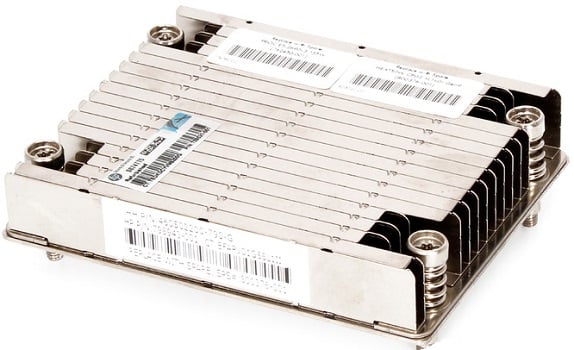
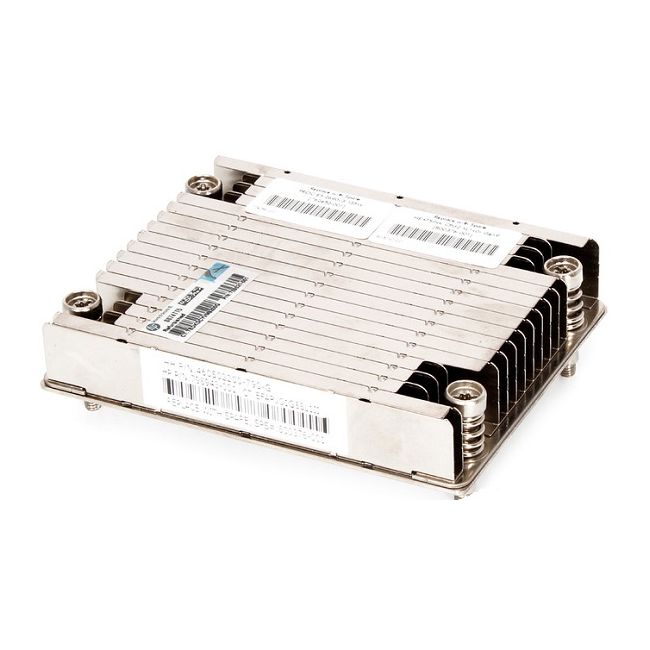
The HPE Screw Down Standard Heatsink for ProLiant DL380 Gen10 servers provides reliable cooling by securely fastening to the processor. It fits seamlessly within the server chassis to help keep CPU temperatures in check, ensuring stable performance under varying workloads. |
General Information |
|
|---|---|
| Brand | HP |
Physical Characteristics |
|
|---|---|
| Weight | 5.00 |
| Condition | Refurbished |
Product Description |
|---|
This HPE Screw Down Standard Heatsink is built specifically for the ProLiant DL380 Gen10 server series to provide effective cooling to the processor. It is often found in enterprise server environments where maintaining optimal CPU temperatures is critical for performance and system stability. Commonly used in data centers and IT infrastructures, this heatsink benefits system administrators and IT professionals who require dependable thermal solutions to avoid overheating during heavy workloads. Key Features
This heatsink is typically deployed in server racks running critical applications, where consistent cooling contributes to system reliability and uptime. Its design supports prolonged use in demanding environments without compromising the processor’s thermal management needs. |
Use Cases |
|---|
The HPE Screw Down Standard Heatsink is primarily utilized in enterprise data centers and IT environments deploying HPE ProLiant DL380 Gen10 servers. It is essential for system administrators and IT professionals managing high-density rack deployments where effective processor cooling is critical to maintain server reliability. How It's Used:
By securely fastening to the processor, this heatsink helps uphold the operational efficiency of server hardware, minimizing downtime risks associated with overheating. Its integration within rack-mounted systems enables scalable thermal management appropriate for evolving workload demands. |
 Shipping Options
 International Delivery
Requires a UPS, FedEx, or DHL account. Customers may arrange pickup from our US warehouse.
International Delivery
Requires a UPS, FedEx, or DHL account. Customers may arrange pickup from our US warehouse.
 Payment Methods
We accept Visa, Mastercard, AMEX, Discover, and Wire Transfer.
Payment Methods
We accept Visa, Mastercard, AMEX, Discover, and Wire Transfer.
 Purchase Orders
We process purchase orders for government agencies, enterprises, data centers, and SMBs.
Purchase Orders
We process purchase orders for government agencies, enterprises, data centers, and SMBs.