

Subscribe To Our Newsletter!
Subscribe to the newsletter to stay up to date with the latest news and most useful
Newsletter
↑
Back to Top



Product Overview |
|---|
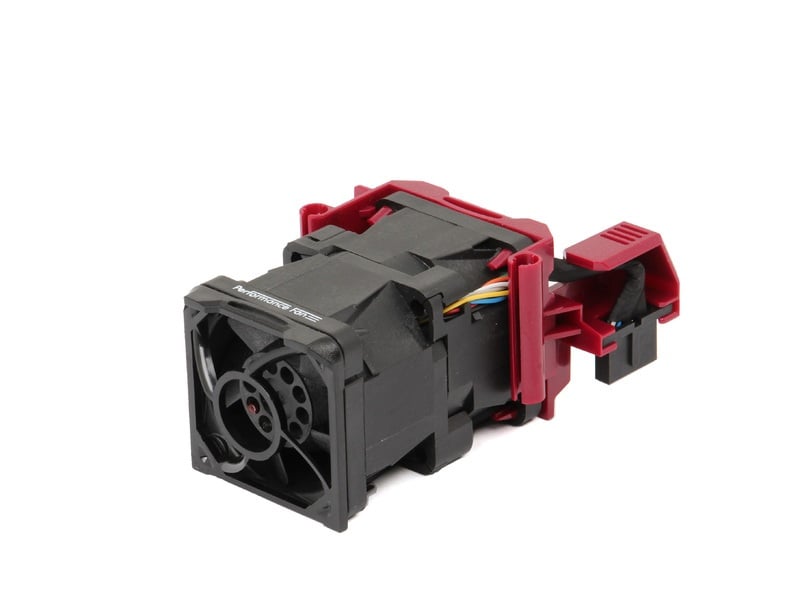
The HPE 873582-001 DL360 Gen10 High Performance Fan delivers reliable cooling performance essential for maintaining stable server environments. It fits directly into the DL360 Gen10 chassis, playing a vital role in temperature control within data center operations. |
General Information |
|
|---|---|
| Brand | HPE |
| Part Number | 873582-001 |
Technical Specification |
|
|---|---|
| Component Type | Chassis Fan |
| Cooling Method | Active |
| Material | Plastic/Metal |
| Compatibility | HPE ProLiant DL360 Gen10 |
| Voltage | 12V |
| Connector Type | 4-pin PWM |
| Airflow Direction | Front-to-Back |
Physical Characteristics |
|
|---|---|
| Form Factor | Hot-swap fan module |
| Weight | 5.00 |
| Condition | Refurbished |
Miscellaneous |
|
|---|---|
| Eco Friendly | Yes |
| Compliance Standards | RoHS, CE |
Product Description |
|---|
This cooling fan is built to keep HPE DL360 Gen10 servers running smoothly by managing internal temperatures effectively. It's commonly found in enterprise data centers where maintaining reliable server operation is critical. IT professionals and data center technicians rely on this fan to prevent overheating during heavy workloads. Key Features
These fans are typically deployed inside rack-mounted servers where airflow management impacts overall performance. By keeping components cool, they help reduce hardware failures and support the longevity of server systems. |
Use Cases |
|---|
The HPE DL360 Gen10 High Performance Cooling Fan is essential for maintaining thermal regulation within dense server racks, particularly in environments requiring sustained high processing loads. IT administrators managing enterprise-scale virtualization clusters or storage infrastructures benefit significantly from its efficient airflow management. How It's Used:
By effectively managing airflow within the DL360 Gen10 chassis, this fan contributes to operational reliability and helps maintain consistent server performance. Its role in thermal management supports scalability and protects hardware investments in demanding IT infrastructures. |
 Shipping Options
 International Delivery
Requires a UPS, FedEx, or DHL account. Customers may arrange pickup from our US warehouse.
International Delivery
Requires a UPS, FedEx, or DHL account. Customers may arrange pickup from our US warehouse.
 Payment Methods
We accept Visa, Mastercard, AMEX, Discover, and Wire Transfer.
Payment Methods
We accept Visa, Mastercard, AMEX, Discover, and Wire Transfer.
 Purchase Orders
We process purchase orders for government agencies, enterprises, data centers, and SMBs.
Purchase Orders
We process purchase orders for government agencies, enterprises, data centers, and SMBs.