

Subscribe To Our Newsletter!
Subscribe to the newsletter to stay up to date with the latest news and most useful
Newsletter
↑
Back to Top



Product Overview |
|---|
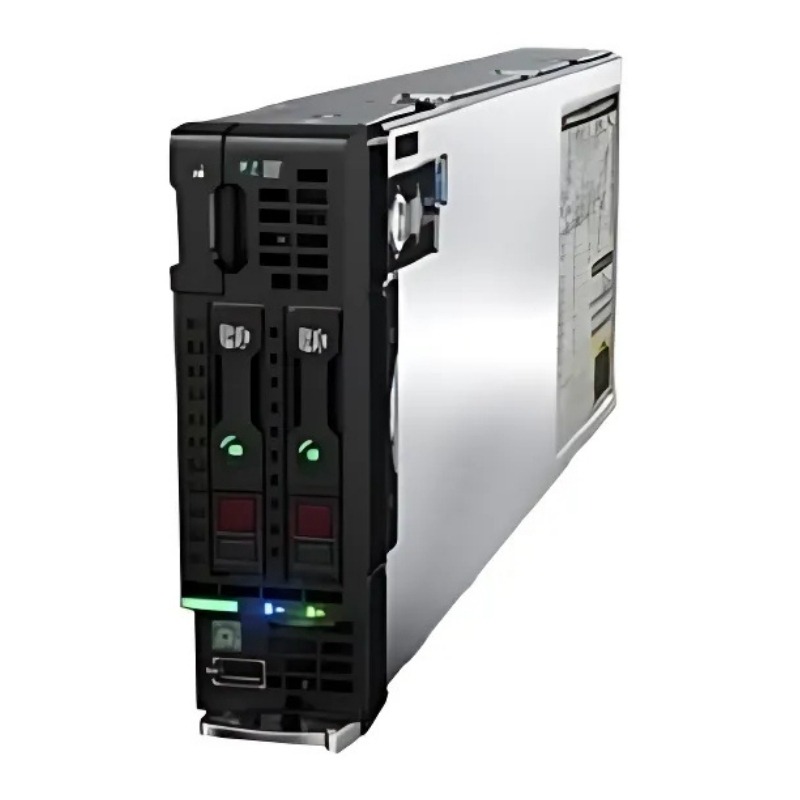
The HPE 873373-B21 NVMe FIO setting is a crucial configuration for enabling NVMe storage support on the HPE ProLiant BL460c Gen10 Server Blade. By allowing the integration of SFF NVMe SSDs, this setting enhances data transfer speeds, reduces latency, and optimizes overall server efficiency. It is an essential upgrade for businesses leveraging high-performance storage solutions. |
General Information |
|
|---|---|
| Brand | HP |
| Part Number | 873373-B21 |
Physical Characteristics |
|
|---|---|
| Weight | 5.00 |
| Condition | Refurbished |
Product Description |
|---|
The HPE 873373-B21 NVMe Field Installable Option (FIO) setting is designed to enable NVMe support on the HPE ProLiant BL460c Gen10 Server Blade. This configuration is crucial for integrating Small Form Factor (SFF) NVMe Solid State Drives (SSDs), allowing the server to achieve enhanced storage performance with lower latency. By modifying the server’s BIOS settings, this FIO setting ensures compatibility with NVMe storage solutions, optimizing data access speeds and improving overall efficiency. It is ideal for enterprises looking to upgrade their ProLiant BL460c Gen10 Server Blade with cutting-edge NVMe technology. Key Features
|
Use Cases |
|---|
The 873373-B21 HPE Gen10 NVMe FIO setting is primarily used in enterprise data centers and high-performance computing environments that deploy HPE ProLiant BL460c Gen10 Server Blades. IT professionals managing virtualization workloads and latency-sensitive applications benefit from this configuration to optimize NVMe SSD performance within their server infrastructure. How It's Used:
Implementing the 873373-B21 NVMe FIO setting ensures that server blades leverage the full potential of NVMe SSDs, improving data transfer rates and reducing latency. This contributes to scalable and efficient storage architectures tailored for demanding workloads and evolving enterprise IT needs. |
 Shipping Options
 International Delivery
Requires a UPS, FedEx, or DHL account. Customers may arrange pickup from our US warehouse.
International Delivery
Requires a UPS, FedEx, or DHL account. Customers may arrange pickup from our US warehouse.
 Payment Methods
We accept Visa, Mastercard, AMEX, Discover, and Wire Transfer.
Payment Methods
We accept Visa, Mastercard, AMEX, Discover, and Wire Transfer.
 Purchase Orders
We process purchase orders for government agencies, enterprises, data centers, and SMBs.
Purchase Orders
We process purchase orders for government agencies, enterprises, data centers, and SMBs.