

Subscribe To Our Newsletter!
Subscribe to the newsletter to stay up to date with the latest news and most useful
Newsletter
↑
Back to Top



| Product Overview |
|---|
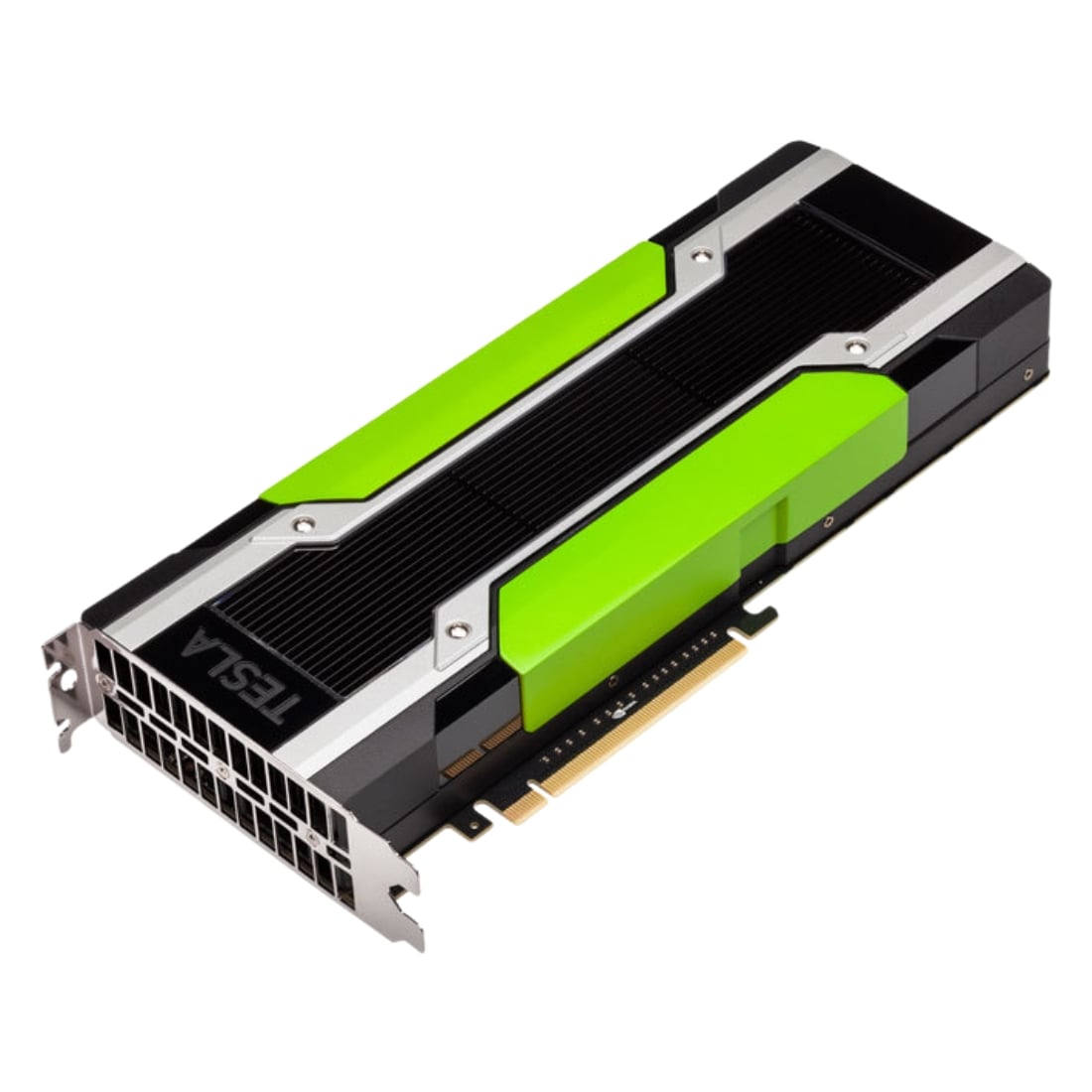
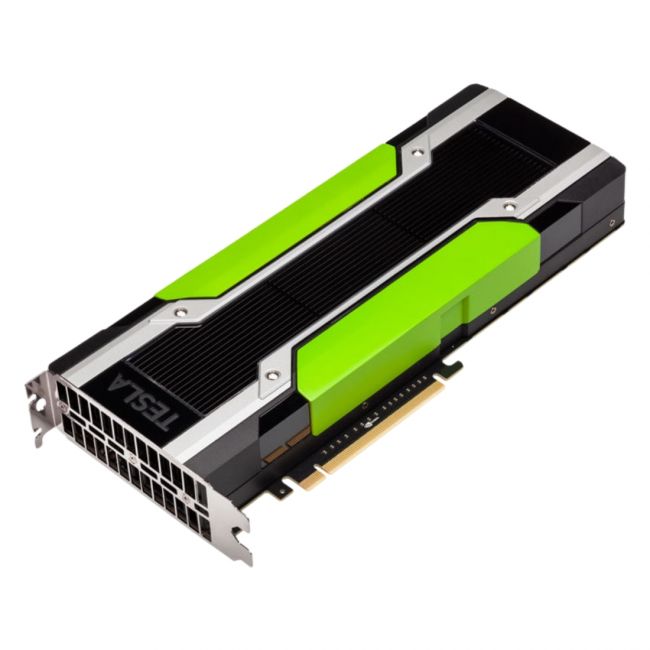
The HP NVIDIA Tesla M10 32GB GDDR5 GPU Video Graphics Card delivers virtualization-focused GPU performance optimized for data centers and enterprise environments. It fits into setups requiring multiple simultaneous GPU instances to run virtual machines or GPU-accelerated applications, helping administrators provide reliable and scalable graphical processing power without dedicating separate GPUs for each user. |
| General Information | |
|---|---|
| Brand | HPE |
| Part Number | 868798-001 |
| Technical Information | |
|---|---|
| Chipset | Nvidia |
| Bus Interface | PCI Express 3.0 x16 |
| Supported APIs | OpenCL, CUDA |
| Output Interface | PCI Express 3.0 x16 |
| Memory | |
|---|---|
| Memory Size | 32GB |
| Interface | GDDR5 |
| Memory Bus | 128-bit |
| Physical Characteristics | |
|---|---|
| Weight | 3.00 |
| Condition | Refurbished |
| Miscellaneous | |
|---|---|
| Assembly Required | Yes |
| Eco Friendly | Yes |
| Compliance Standards | WEEE, RoHS, cURus, CE, FCC, CCC, UL, TUV, cULus, CSA, cUL |
| Product Description |
|---|
The HP NVIDIA Tesla M10 32GB GDDR5 GPU Video Graphics Card is built for intensive virtualization workloads and GPU-accelerated tasks. It’s often found in data centers where multiple users require simultaneous access to powerful graphics processing, such as in virtual desktop infrastructure (VDI) setups. Commonly used by IT professionals and system administrators, this GPU enables efficient resource sharing without sacrificing performance. Its design supports environments where virtual machines need dedicated graphics acceleration, providing smooth and responsive user experiences. Key Features
This graphics card is typically deployed in enterprise data centers to bolster virtualized systems and GPU compute clusters. It plays a key role in improving efficiency by consolidating multiple GPU workloads into one card, reducing hardware overhead and operational complexity. |
 Shipping Options
 International Delivery
Requires a UPS, FedEx, or DHL account. Customers may arrange pickup from our US warehouse.
International Delivery
Requires a UPS, FedEx, or DHL account. Customers may arrange pickup from our US warehouse.
 Payment Methods
We accept Visa, Mastercard, AMEX, Discover, and Wire Transfer.
Payment Methods
We accept Visa, Mastercard, AMEX, Discover, and Wire Transfer.
 Purchase Orders
We process purchase orders for government agencies, enterprises, data centers, and SMBs.
Purchase Orders
We process purchase orders for government agencies, enterprises, data centers, and SMBs.