

Subscribe To Our Newsletter!
Subscribe to the newsletter to stay up to date with the latest news and most useful
Newsletter
↑
Back to Top



| Product Overview |
|---|
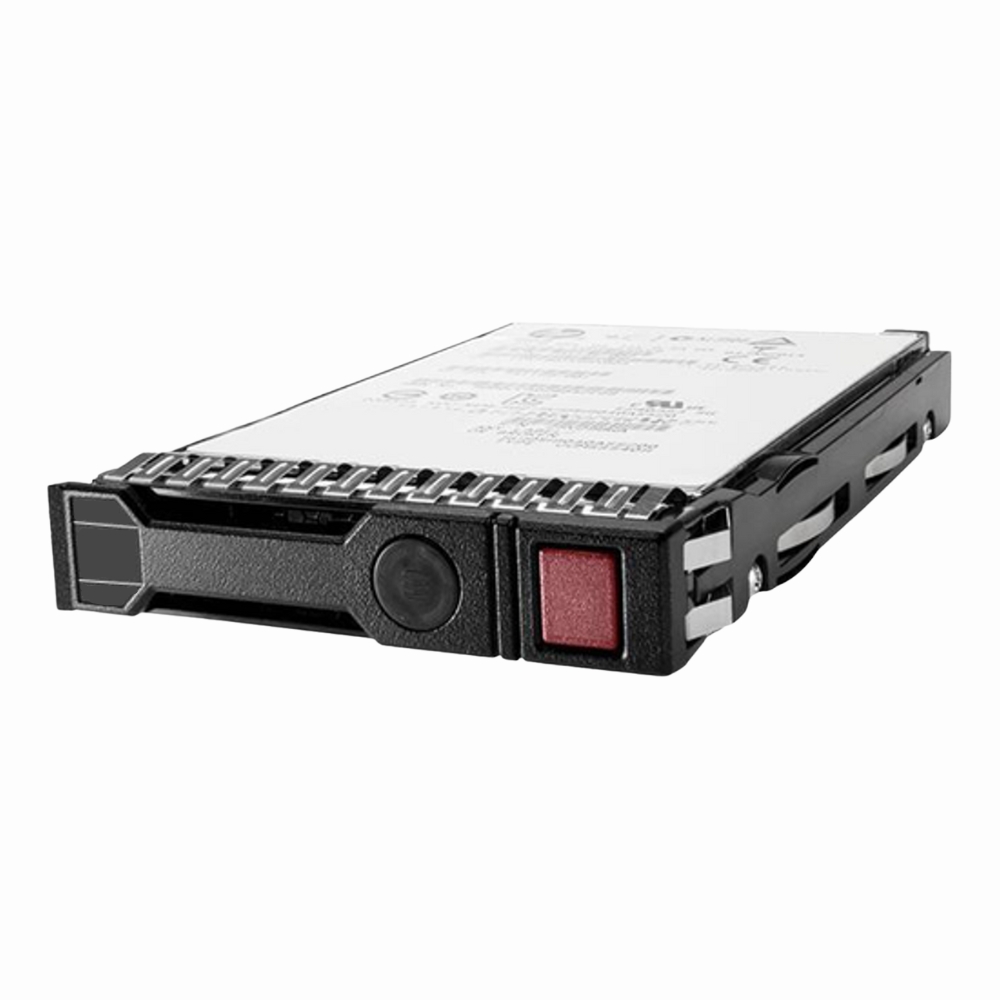
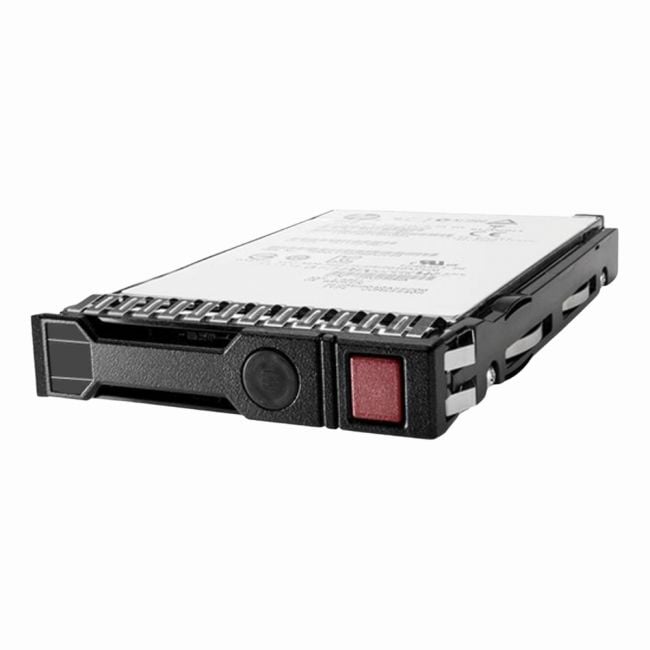
The HP 1.92TB Read Intensive SATA SSD is a storage device tailored for environments prioritizing read operations. It fits into a 3.5-inch slot and connects via a SATA 6Gb/s interface, making it a practical choice for many enterprise servers and storage systems. The drive balances large capacity with solid read performance, serving well in tasks where fast data access is crucial but write demands are moderate. |
| General Information | |
|---|---|
| Brand | HP |
| Part Number | 866615-004 |
| Technical Information | |
|---|---|
| Capacity | 1.92TB |
| NAND Flash | Enterprise Multi-level Cell (eMLC) |
| Memory Technology | Enterprise Multi-level Cell (eMLC) |
| Form Factor | 3.5-inch |
| Interface | SATA 6GB/s |
| Hot Swappable | Yes |
| Hot Pluggable | Yes |
| Physical Characteristics | |
|---|---|
| Weight | 1.10 |
| Condition | Refurbished |
| Miscellaneous | |
|---|---|
| Eco Friendly | Yes |
| Compliance Standards | WEEE, RoHS, CE, FCC |
| Product Description |
|---|
This HP 1.92TB Read Intensive SATA SSD offers a solid balance between capacity and read performance, making it suitable for data centers and enterprise servers that require reliable storage with fast access speeds. Built for read-heavy applications, it helps improve response times and throughput for tasks like database querying, data analytics, and web services. Often found in rack-mounted servers and storage arrays, this SSD is designed to handle workloads that demand frequent reading of large datasets with less emphasis on heavy write cycles. IT professionals and system administrators benefit from the drive's ability to increase efficiency while reducing latency in critical environments. Key Features
This drive is typically deployed in enterprise-level storage environments where reliable read performance impacts overall system efficiency. It's a common choice for users needing consistent access to large volumes of data without the overhead of frequent write operations. The solid state design helps reduce bottlenecks in busy server workloads while fitting seamlessly into existing infrastructures. |
 Shipping Options
 International Delivery
Requires a UPS, FedEx, or DHL account. Customers may arrange pickup from our US warehouse.
International Delivery
Requires a UPS, FedEx, or DHL account. Customers may arrange pickup from our US warehouse.
 Payment Methods
We accept Visa, Mastercard, AMEX, Discover, and Wire Transfer.
Payment Methods
We accept Visa, Mastercard, AMEX, Discover, and Wire Transfer.
 Purchase Orders
We process purchase orders for government agencies, enterprises, data centers, and SMBs.
Purchase Orders
We process purchase orders for government agencies, enterprises, data centers, and SMBs.