

Subscribe To Our Newsletter!
Subscribe to the newsletter to stay up to date with the latest news and most useful
Newsletter
↑
Back to Top



Product Overview |
|---|
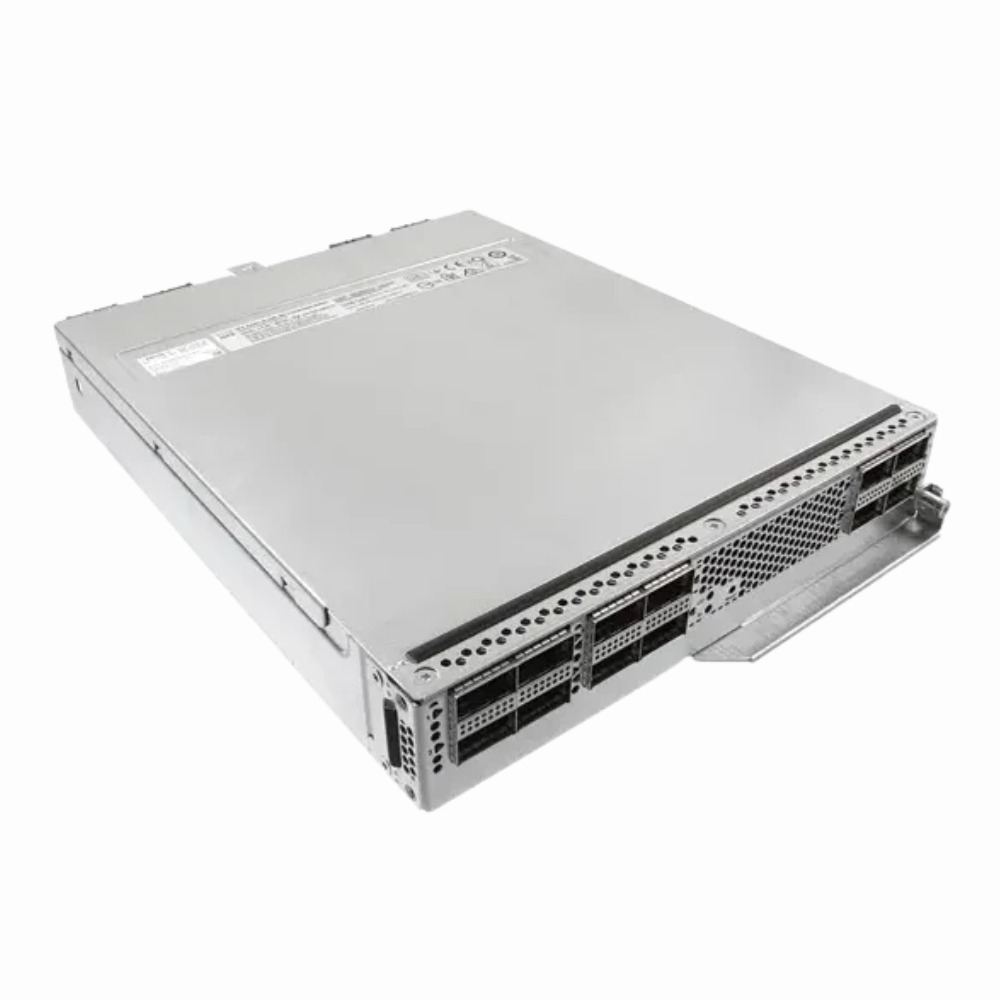
The HPE Apollo A10 36 Port EDR InfiniBand Switch serves as a core networking component in high-performance computing and data center setups. It provides fast, low-latency connections across multiple nodes, making it suitable for environments where quick data movement is crucial. The switch fits into larger InfiniBand fabric architectures, supporting complex communication patterns and helping maintain efficient data flow. |
General Information |
|
|---|---|
| Brand | HPE |
| Part Number | 851324-001 |
| Condition | Refurbished |
Technical Information |
|
|---|---|
| Switch Ports | 36 |
| Number of Ports | 36-Ports |
| Port Type | 100G QSFP28 |
| Port Speed | 100 Gbps (EDR InfiniBand) |
| POE Support | No |
| Switching Capacity | 7.2 Tbps |
| VLAN Support | No |
| Connector Type | QSFP28 |
Physical Characteristics |
|
|---|---|
| Weight | 5.00 |
Miscellaneous |
|
|---|---|
| Compliant Standards | InfiniBand EDR (IBTA) |
Product Description |
|---|
The HPE Apollo A10 36 Port EDR InfiniBand Switch is built for demanding data centers and high-performance computing clusters where fast and reliable data transfer is essential. Often found in research institutions, cloud infrastructure, and enterprise environments, it facilitates ultra-low latency communication between computing nodes. Designed with scalability in mind, this switch enables efficient interconnection of numerous servers or storage devices, supporting workloads that require rapid data exchange, such as scientific simulations or big data analytics. IT professionals and system architects rely on this switch to create robust, high-speed networks that maintain performance under heavy traffic. Key Features
This switch is typically deployed in large-scale compute clusters and data centers where high throughput and minimal delay are critical. It plays a vital role in enabling seamless communication between nodes, improving overall system efficiency. Users benefit from reduced bottlenecks and enhanced network performance in demanding operational scenarios. |
Use Cases |
|---|
The HPE Apollo A10 36 Port EDR InfiniBand Switch is designed for environments requiring extremely fast data transfer and low latency, such as high-performance computing clusters and large-scale data centers. It is particularly suited for IT teams managing complex workloads that demand rapid node-to-node communication and scalable network fabrics. How It's Used:
By delivering consistent, high-bandwidth connectivity, this InfiniBand switch helps maintain operational efficiency and supports network scalability in demanding computing environments. Its role in minimizing communication delays is critical for workloads that rely on synchronized processing across multiple nodes. |
 Shipping Options
 International Delivery
Requires a UPS, FedEx, or DHL account. Customers may arrange pickup from our US warehouse.
International Delivery
Requires a UPS, FedEx, or DHL account. Customers may arrange pickup from our US warehouse.
 Payment Methods
We accept Visa, Mastercard, AMEX, Discover, and Wire Transfer.
Payment Methods
We accept Visa, Mastercard, AMEX, Discover, and Wire Transfer.
 Purchase Orders
We process purchase orders for government agencies, enterprises, data centers, and SMBs.
Purchase Orders
We process purchase orders for government agencies, enterprises, data centers, and SMBs.