

Subscribe To Our Newsletter!
Subscribe to the newsletter to stay up to date with the latest news and most useful
Newsletter
↑
Back to Top



Product Overview |
|---|
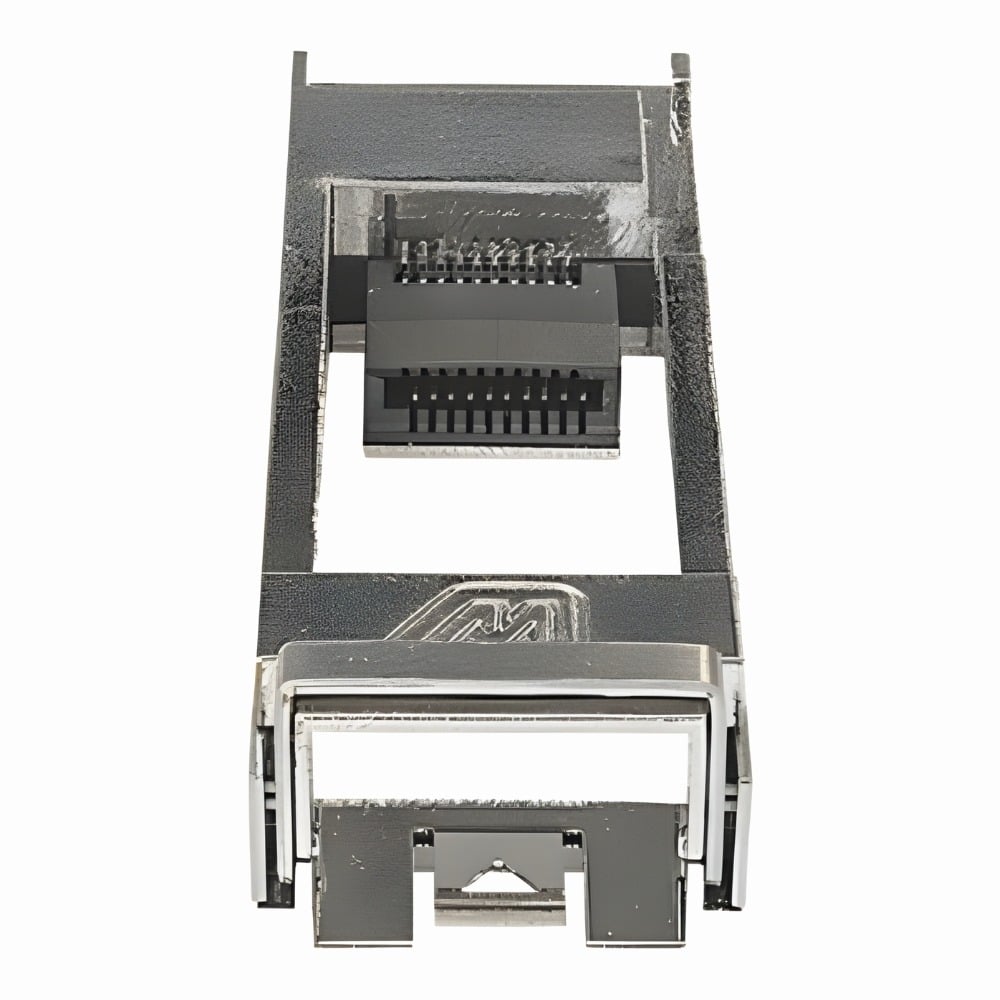
The HP QSFP28 to SFP28 Converter Adapter Module allows network devices with QSFP28 slots to connect with SFP28 transceivers, bridging different interface types within HP StoreFabric switch environments. It's a practical solution for IT teams needing adaptable, high-speed connections without additional equipment overhaul. |
General Information |
|
|---|---|
| Brand | HPE |
| Part Number | 849444-001 |
Connectivity & Physical |
|
|---|---|
| Weight | 5.00 |
| Condition | Refurbished |
Miscellaneous |
|
|---|---|
| Assembly Required | Yes |
| Eco Friendly | Yes |
Product Description |
|---|
This converter adapter module enables seamless connection between QSFP28 and SFP28 ports, allowing flexible network configurations. It's commonly used in data centers and enterprise environments to extend the compatibility of existing hardware without replacing switches. Built for IT professionals managing HP StoreFabric switch series, it helps maximize investment by enabling use of different transceiver types. This module is often found in setups requiring a mix of 25Gbps and 100Gbps connections. Key Features
Typically deployed in enterprise data centers and server rooms, this adapter plays a key role in ensuring flexible and scalable network architecture. Its use can simplify hardware management and improve overall connectivity options. |
Use Cases |
|---|
The 849444-001 HP QSFP28 to SFP28 Converter Adapter Module is predominantly utilized in enterprise and data center environments where HP StoreFabric switches with QSFP28 ports need to interface with SFP28 transceivers. It benefits network administrators managing heterogeneous switch deployments requiring high-speed, flexible interconnect solutions without major hardware replacements. How It's Used:
This adapter module enhances operational agility by bridging interface incompatibilities, allowing for seamless network scaling and maintenance. Its role in simplifying cross-compatibility contributes to sustaining performance and reducing downtime in evolving IT infrastructures. |
 Shipping Options
 International Delivery
Requires a UPS, FedEx, or DHL account. Customers may arrange pickup from our US warehouse.
International Delivery
Requires a UPS, FedEx, or DHL account. Customers may arrange pickup from our US warehouse.
 Payment Methods
We accept Visa, Mastercard, AMEX, Discover, and Wire Transfer.
Payment Methods
We accept Visa, Mastercard, AMEX, Discover, and Wire Transfer.
 Purchase Orders
We process purchase orders for government agencies, enterprises, data centers, and SMBs.
Purchase Orders
We process purchase orders for government agencies, enterprises, data centers, and SMBs.