

Subscribe To Our Newsletter!
Subscribe to the newsletter to stay up to date with the latest news and most useful
Newsletter
↑
Back to Top



Product Overview |
|---|
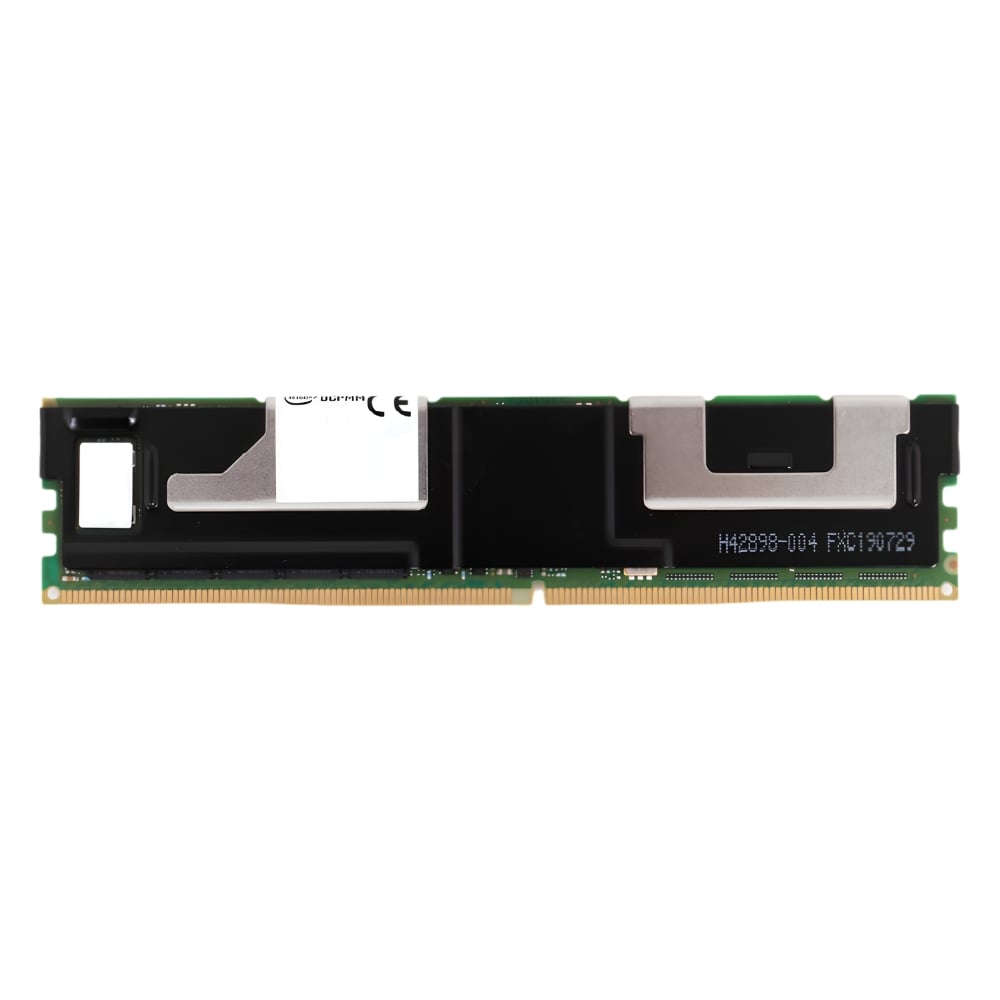
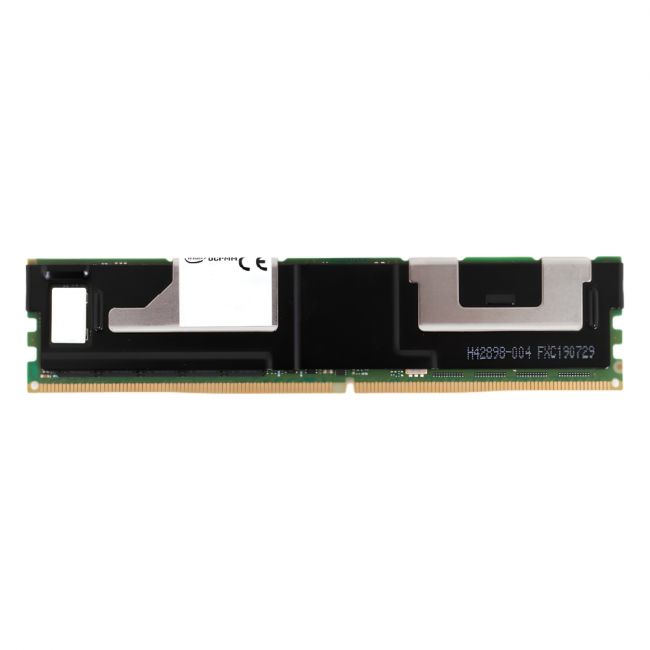
The 844072-001 HPE Intel Optane 256GB Persistent Memory 100 Series module provides a combination of DRAM speed and data persistence, supporting large memory capacities with reduced latency and improved resilience in server environments. |
General Information |
|
|---|---|
| Brand | HPE |
| Part Number | 844072-001 |
Technical Information |
|
|---|---|
| Memory Capacity | 256GB |
| Memory Technology | DDR4 |
| Module Type | RDIMM |
| RAM Standard | PC4-21300 |
| Pin Count | 288-Pin |
Physical Characteristics |
|
|---|---|
| Package | FBGA |
| Weight | 0.50 |
| Condition | Refurbished |
Miscellaneous |
|
|---|---|
| Assembly Required | No |
Product Description |
|---|
The 844072-001 HPE Intel Optane 256GB Persistent Memory 100 Series is a high-capacity memory module designed to expand system memory and improve data access speeds in enterprise environments. It combines the speed of DRAM with the persistence of storage, allowing data to be retained even during power loss. Typically found in data centers and servers, this persistent memory module is ideal for workloads requiring fast access to large datasets and improved system responsiveness. IT professionals and system administrators benefit from its ability to optimize performance for applications such as databases, analytics, and virtualization. Key Features
By integrating this persistent memory module, organizations can enhance their server capabilities, reduce downtime, and improve overall system efficiency. It serves as a critical component for modern IT infrastructures that demand high availability and quick data processing. |
Use Cases |
|---|
This persistent memory module is utilized in scenarios where fast, reliable access to large datasets is crucial. How It's Used:
These use cases illustrate how the 844072-001 module can be integrated into enterprise systems to boost efficiency and maintain data integrity under demanding conditions. |
 Shipping Options
 International Delivery
Requires a UPS, FedEx, or DHL account. Customers may arrange pickup from our US warehouse.
International Delivery
Requires a UPS, FedEx, or DHL account. Customers may arrange pickup from our US warehouse.
 Payment Methods
We accept Visa, Mastercard, AMEX, Discover, and Wire Transfer.
Payment Methods
We accept Visa, Mastercard, AMEX, Discover, and Wire Transfer.
 Purchase Orders
We process purchase orders for government agencies, enterprises, data centers, and SMBs.
Purchase Orders
We process purchase orders for government agencies, enterprises, data centers, and SMBs.