

Subscribe To Our Newsletter!
Subscribe to the newsletter to stay up to date with the latest news and most useful
Newsletter
↑
Back to Top



Product Overview |
|---|
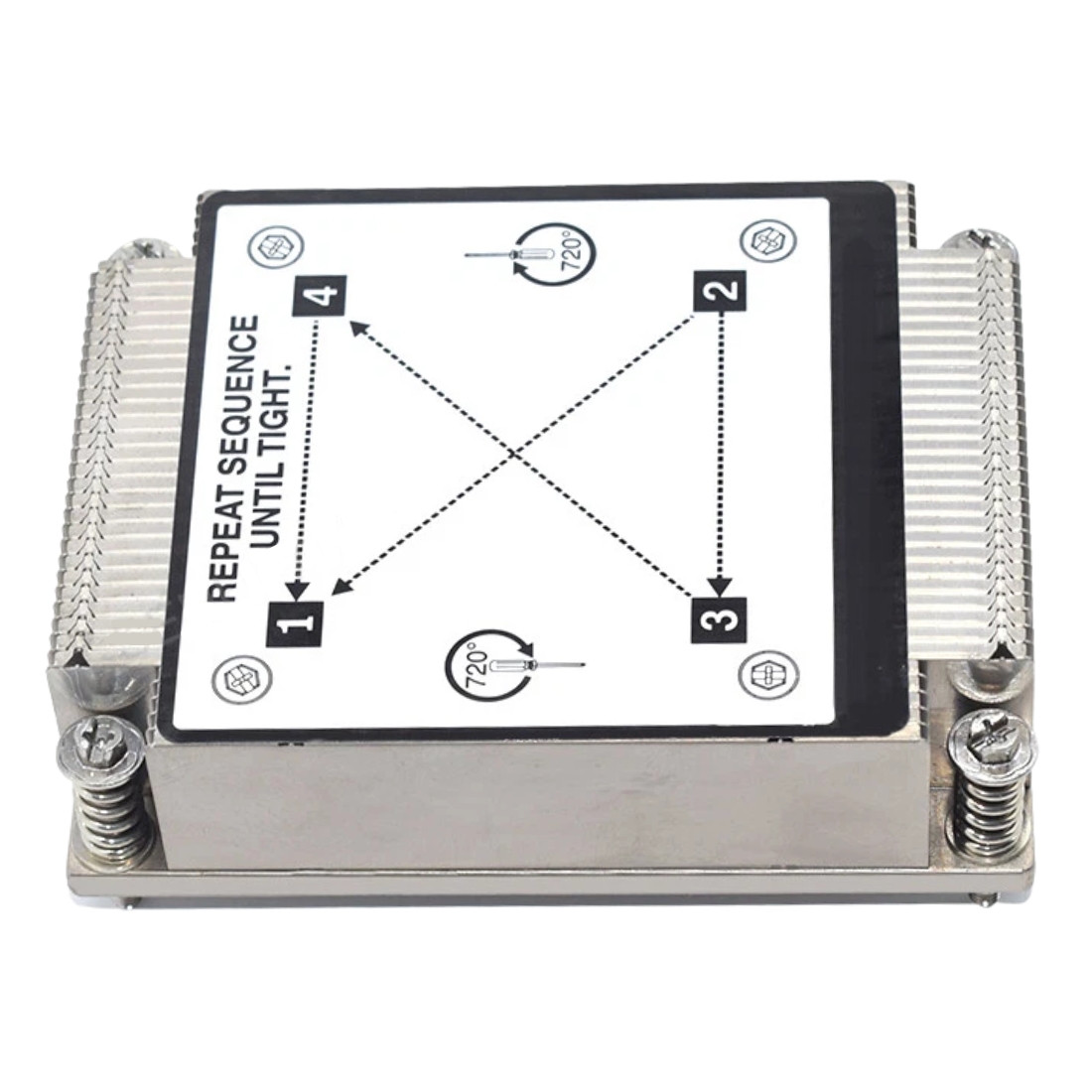
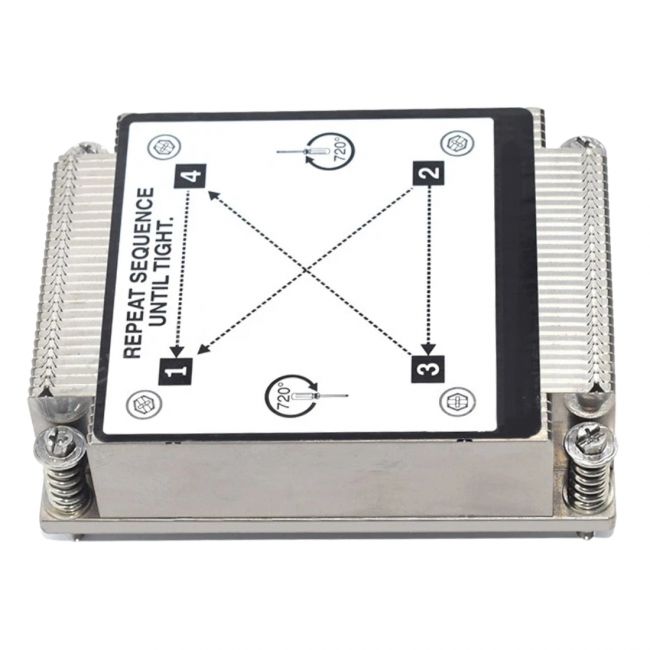
The IBM heatsink for System x3630 M4 and x3530 M4 is a core cooling component built to keep these servers running reliably. It fits directly onto the processor area to draw heat away efficiently, making it an important part of maintaining system performance in professional server environments. |
General Information |
|
|---|---|
| Brand | IBM |
| Part Number | 81Y7644 |
| Alternate Part Number | 81Y7644-06-UK |
Technical Specification |
|
|---|---|
| Component Type | CPU Heatsink |
| Compatibility | IBM System x3630 M4, IBM System x3530 M4 |
Physical Characteristics |
|
|---|---|
| Weight | 3.00 |
| Condition | Refurbished |
Miscellaneous |
|
|---|---|
| Assembly Required | Yes |
| Eco Friendly | Yes |
| Compliance Standards | WEEE, RoHS, cURus, CE, FCC, CCC, UL, TUV, cULus, CSA, cUL |
Product Description |
|---|
This IBM heatsink is designed to effectively manage the thermal output of System x3630 M4 and x3530 M4 servers. It helps prevent overheating by dissipating heat away from critical components, ensuring the server runs smoothly under load. Often found in data centers and enterprise environments, this heatsink supports the continuous operation of rack-mounted servers where maintaining optimal temperature is crucial. IT professionals and system administrators rely on such components to keep hardware performing consistently. Key Features
This heatsink is typically installed inside IBM System x servers used in business IT setups, where dependable cooling is essential. Its role is vital in avoiding hardware failures caused by excessive heat, contributing to smoother, longer system operation. |
Use Cases |
|---|
The 81Y7644 IBM Heatsink is utilized to enhance cooling performance in IBM System x3630 M4 and x3530 M4 environments. How It's Used:
This heatsink is key to sustaining the operational integrity of servers by preventing overheating and facilitating stable, long-term functionality. |
 Shipping Options
 International Delivery
Requires a UPS, FedEx, or DHL account. Customers may arrange pickup from our US warehouse.
International Delivery
Requires a UPS, FedEx, or DHL account. Customers may arrange pickup from our US warehouse.
 Payment Methods
We accept Visa, Mastercard, AMEX, Discover, and Wire Transfer.
Payment Methods
We accept Visa, Mastercard, AMEX, Discover, and Wire Transfer.
 Purchase Orders
We process purchase orders for government agencies, enterprises, data centers, and SMBs.
Purchase Orders
We process purchase orders for government agencies, enterprises, data centers, and SMBs.