

Subscribe To Our Newsletter!
Subscribe to the newsletter to stay up to date with the latest news and most useful
Newsletter
↑
Back to Top



Product Overview |
|---|
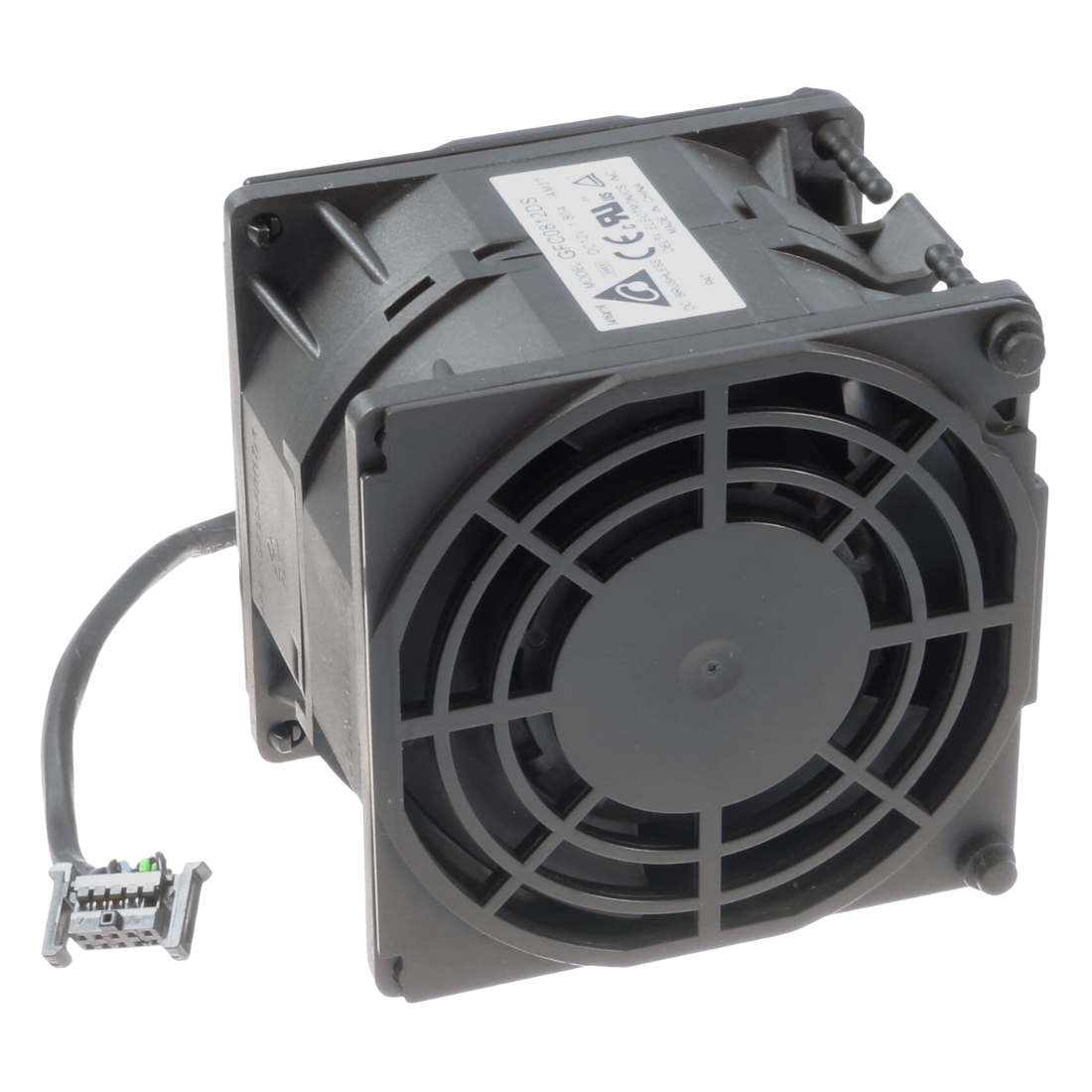
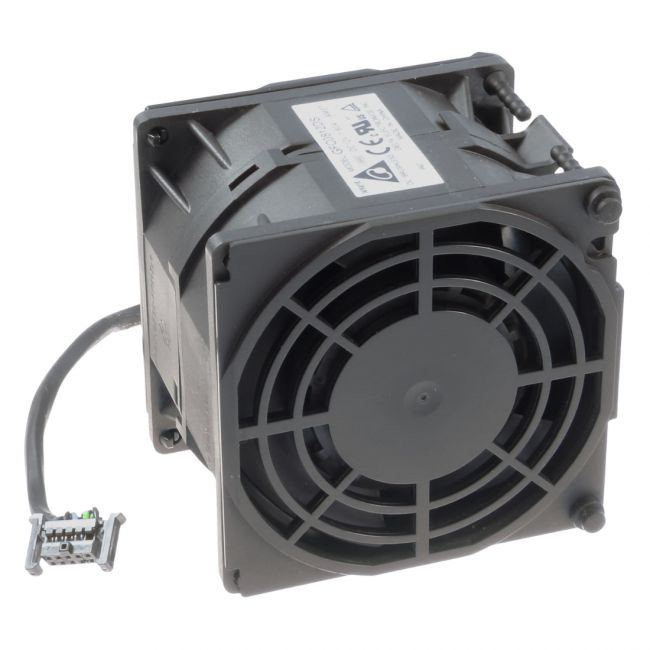
The IBM Redundant Cooling Upgrade Kit for System x3500 M4 provides a backup cooling solution designed to work alongside existing fans. It is intended to keep server temperatures stable and reduce the likelihood of overheating-related failures, fitting into server setups where reliability and steady operation are priorities. |
General Information |
|
|---|---|
| Brand | IBM |
| Part Number | 81Y7007 |
| Series | System x3500 M4 |
| Alternate Part Number | 81Y7007-01-CT |
Technical Information |
|
|---|---|
| Compatibility | IBM System x3500 M4 |
Miscellaneous |
|
|---|---|
| Assembly Required | Yes |
| Eco Friendly | Yes |
| Compliance Standards | WEEE, RoHS, cURus, CE, FCC, CCC, UL, TUV, cULus, CSA, cUL |
Physical Characteristics |
|
|---|---|
| Weight | 3.00 |
| Condition | Refurbished |
Product Description |
|---|
This IBM Redundant Cooling Upgrade Kit is designed to improve the cooling system of the System x3500 M4 server. It adds redundancy to the cooling process, reducing the risk of server downtime due to overheating. Often found in data centers and enterprise environments, this kit is built to help IT professionals maintain server stability under heavy workloads. It's a practical upgrade for users seeking to enhance system reliability without a full hardware overhaul. Key Features
This upgrade kit is typically deployed in enterprise servers where uptime is critical. It plays a key role in environments that require consistent performance and minimal service interruptions, such as data centers and large IT infrastructures. |
Use Cases |
|---|
The 81Y7007 IBM Redundant Cooling Upgrade Kit is implemented to enhance server cooling reliability and prevent overheating in critical enterprise applications. How It's Used:
This cooling upgrade kit supports organizations in maintaining continuous server operation and protecting hardware investments by mitigating thermal risks. |
 Shipping Options
 International Delivery
Requires a UPS, FedEx, or DHL account. Customers may arrange pickup from our US warehouse.
International Delivery
Requires a UPS, FedEx, or DHL account. Customers may arrange pickup from our US warehouse.
 Payment Methods
We accept Visa, Mastercard, AMEX, Discover, and Wire Transfer.
Payment Methods
We accept Visa, Mastercard, AMEX, Discover, and Wire Transfer.
 Purchase Orders
We process purchase orders for government agencies, enterprises, data centers, and SMBs.
Purchase Orders
We process purchase orders for government agencies, enterprises, data centers, and SMBs.