

Subscribe To Our Newsletter!
Subscribe to the newsletter to stay up to date with the latest news and most useful
Newsletter
↑
Back to Top



Product Overview |
|---|
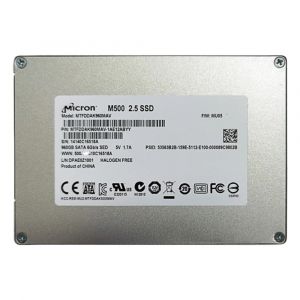
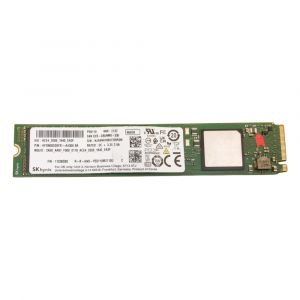
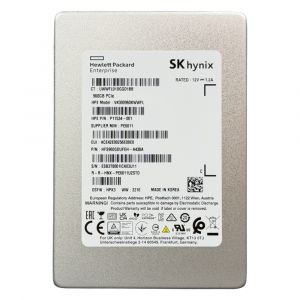
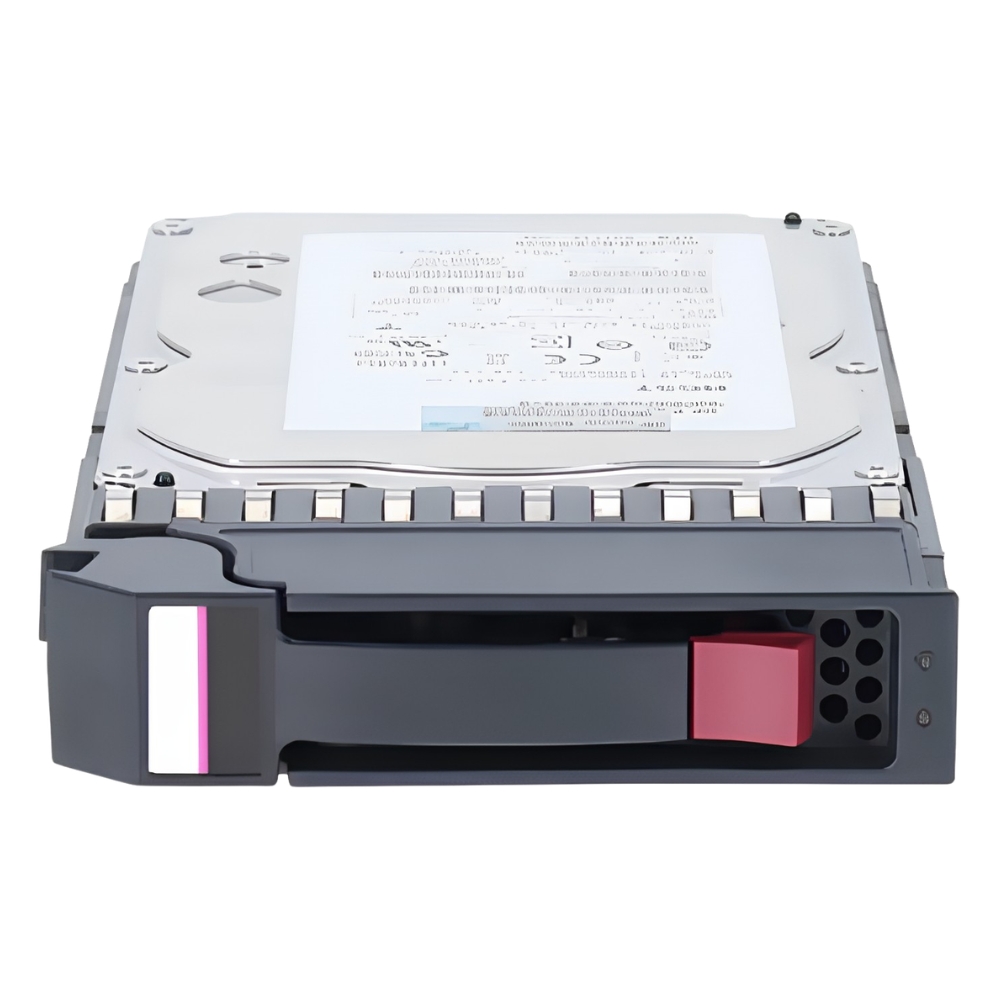
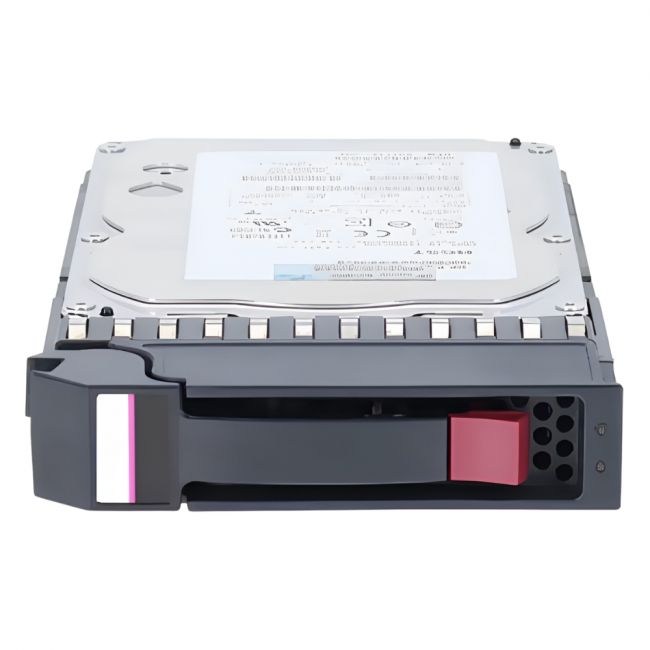
The HPE 815605-B21 SSD is a 2.5-inch solid-state drive with 340GB capacity, employing MLC NAND technology and a 6Gb/s SATA interface. It is intended for integration into HPE server environments where consistent storage performance and compatibility are essential. |
General Information |
|
|---|---|
| Brand | HPE |
Technical Information |
|
|---|---|
| Capacity | 340GB |
| Memory Technology | Multi-Level Cell (MLC) |
| Form Factor | 2.5-inch |
| Interface | SATA 6GB/s |
| Hot Swappable | Yes |
| Hot Pluggable | Yes |
Physical Characteristics |
|
|---|---|
| Weight | 0.60 |
| Condition | Refurbished |
Miscellaneous |
|
|---|---|
| Compliance Standards | WEEE, RoHS, CE, FCC |
Product Description |
|---|
The HPE 340GB 2.5-Inch MLC 6Gb/s SATA SSD (part number 815605-B21) is a solid-state drive designed to provide reliable storage performance for HPE server systems. It utilizes multi-level cell (MLC) NAND technology with a SATA interface supporting 6Gb/s transfer speeds, making it suitable for a variety of enterprise storage applications. This SSD is typically used in data center and server environments where consistent and stable storage is required. IT professionals select this drive to enhance storage capabilities within HPE infrastructure. Key Features
This SSD provides a solid foundation for storage in HPE servers, supporting data storage needs without mechanical parts. Its design offers an alternative to traditional hard disk drives, helping to maintain data integrity and system reliability in various server workloads. |
Use Cases |
|---|
The HPE 340GB 2.5-Inch MLC SATA SSD is commonly deployed in server and data center environments requiring stable and consistent storage. It supports workloads that demand reliable data access within HPE infrastructure. How It's Used:
This SSD serves as an entry-level solid-state storage option, contributing to the overall stability and responsiveness of server storage systems. Its use helps maintain consistent data throughput in typical enterprise workloads. |
FAQ's |
|---|
|
 Shipping Options
 International Delivery
Requires a UPS, FedEx, or DHL account. Customers may arrange pickup from our US warehouse.
International Delivery
Requires a UPS, FedEx, or DHL account. Customers may arrange pickup from our US warehouse.
 Payment Methods
We accept Visa, Mastercard, AMEX, Discover, and Wire Transfer.
Payment Methods
We accept Visa, Mastercard, AMEX, Discover, and Wire Transfer.
 Purchase Orders
We process purchase orders for government agencies, enterprises, data centers, and SMBs.
Purchase Orders
We process purchase orders for government agencies, enterprises, data centers, and SMBs.