

Subscribe To Our Newsletter!
Subscribe to the newsletter to stay up to date with the latest news and most useful
Newsletter
↑
Back to Top



Product Overview |
|---|
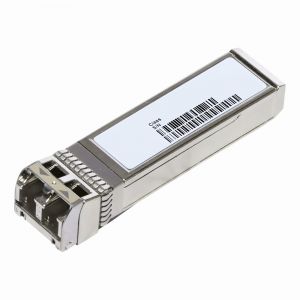
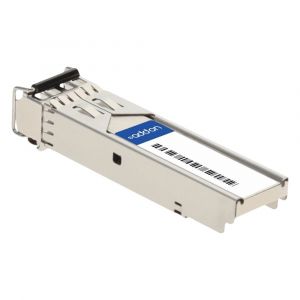
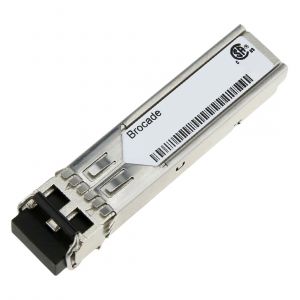
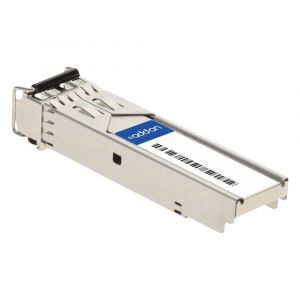
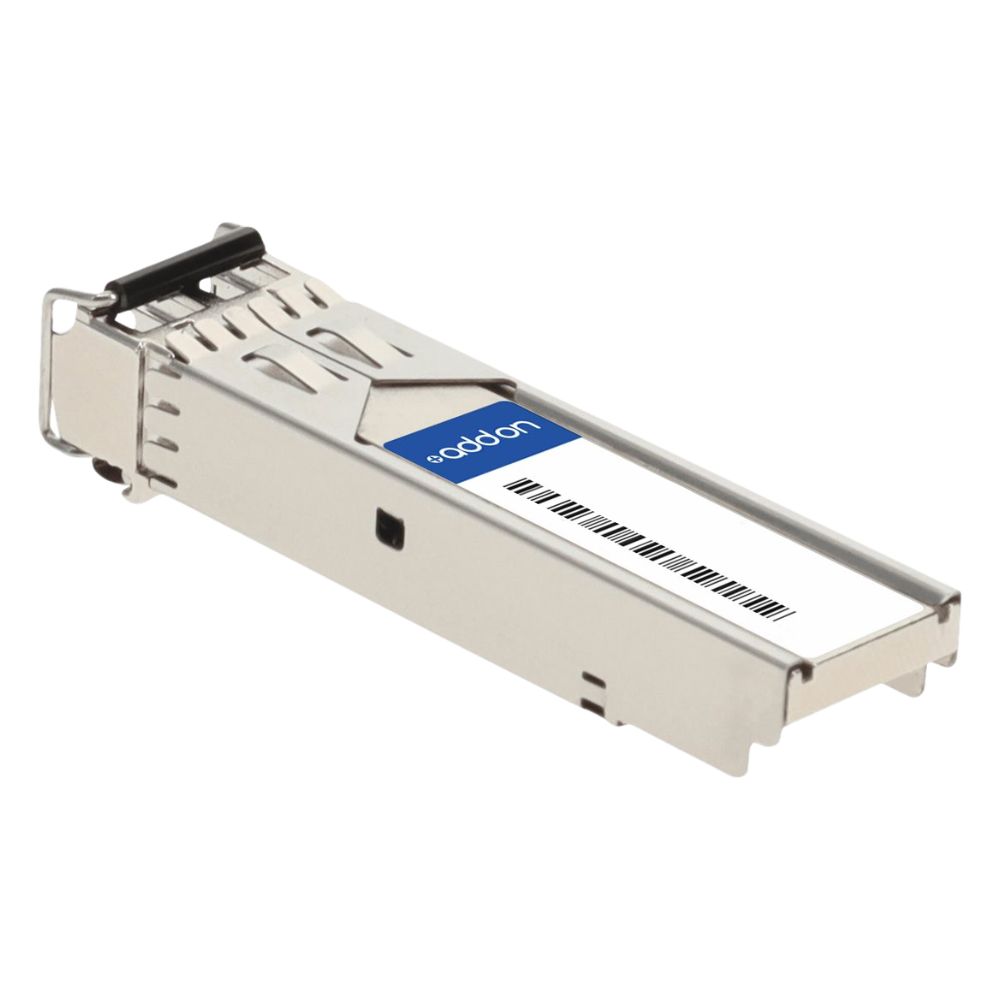
The AddOn 81.71T-XDWDM-R6-AO is a 10GBase-DWDM XFP transceiver designed for optical networks requiring up to 80km transmission distance. It supports Dense Wavelength Division Multiplexing (DWDM) technology and meets XFP multi-source agreement specifications for compatibility and performance in optical communication systems. |
General Information |
|
|---|---|
| Brand | AddOn Networks |
Technical Information |
|
|---|---|
| Form Factor | XFP |
| Media | SMF |
| Type | DFB |
| Protocols | 10GBase-DWDM |
| Connector | LC Duplex |
Physical Characteristics |
|
|---|---|
| Weight | 3.00 |
| Condition | Refurbished |
Product Description |
|---|
The AddOn 81.71T-XDWDM-R6-AO is a 10GBase-DWDM XFP transceiver module engineered for optical network applications requiring long-distance data transmission up to 80 kilometers. It is utilized primarily in DWDM systems where multiple wavelengths are multiplexed over a single fiber, enabling efficient bandwidth utilization. This transceiver is typically employed by network engineers and IT professionals managing metro, campus, and enterprise networks requiring high-capacity and long-reach optical links. Key Features
The AddOn 81.71T-XDWDM-R6-AO transceiver plays a critical role in extending network reach while maintaining signal integrity over fiber optic infrastructures. Its compliance with widely accepted standards ensures it fits in diverse systems where dense wavelength multiplexing is required to maximize fiber utility. |
Use Cases |
|---|
The AddOn 81.71T-XDWDM-R6-AO transceiver is typically used in telecommunications and enterprise networks that demand long-range 10G Ethernet connectivity. It suits environments utilizing DWDM to increase fiber capacity, such as metropolitan area networks and data center interconnects. How It's Used:
This transceiver supports operational scenarios where distance extension and wavelength multiplexing are necessary to meet network capacity and coverage requirements. It integrates into systems that rely on standardized XFP modules for flexible deployment. |
FAQ's |
|---|
|
 Shipping Options
 International Delivery
Requires a UPS, FedEx, or DHL account. Customers may arrange pickup from our US warehouse.
 Payment Methods
We accept Visa, Mastercard, AMEX, Discover, and Wire Transfer.
 Purchase Orders
We process purchase orders for government agencies, enterprises, data centers, and SMBs.