

Subscribe To Our Newsletter!
Subscribe to the newsletter to stay up to date with the latest news and most useful
Newsletter
↑
Back to Top



Product Overview |
|---|
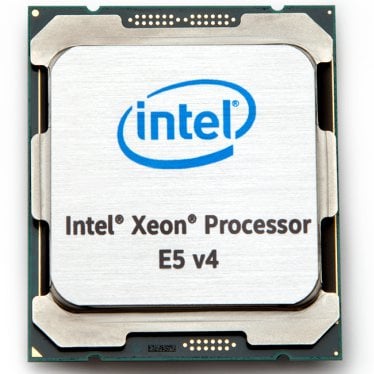
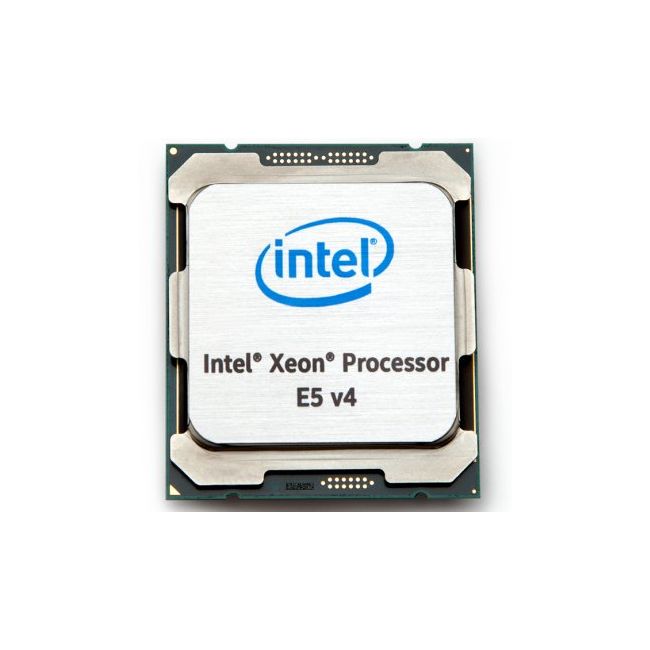
The HP 803054-B21 DL60 Gen9 CPU kit includes the Intel Xeon E5-2620 v4 processor, which delivers balanced performance for HP's DL60 Gen9 servers. It's designed to fit into data center setups requiring a reliable, multi-core processor to manage various server applications without complexity. |
General Information |
|
|---|---|
| Brand | HP |
Technical Information |
|
|---|---|
| Processor Family | Xeon E5 |
| # Of Cores | 8 Core |
| Total Threads | 16 |
| Max Turbo Frequency | 3.0 GHz |
| Base Clock Speed | 2.1 GHz |
| PCIe Version | PCIe 3.0 |
| Lithography | 14 nm |
| Socket Type | LGA 2011 |
| Cache | 20 MB |
| Thermal Design Power | 85 W |
Memory Specifications |
|
|---|---|
| Max Memory Size | 1 TB |
| Memory Types | DDR4-2133 |
| Max Memory Channels | 4 |
| Bandwidth | 68 GB/s |
Physical Characteristics |
|
|---|---|
| Weight | 5.00 |
| Condition | Refurbished |
Product Description |
|---|
This HP CPU kit features the Intel Xeon E5-2620 v4, an 8-core processor built to handle moderate to heavy server tasks. It is commonly found in HP DL60 Gen9 servers, providing a balance of core count and clock speed for virtualization, database management, and general server workloads. Professionals managing small to mid-sized business servers or data centers often rely on this processor to deliver consistent performance without overextending power consumption. The kit includes all necessary components to upgrade or replace the CPU within compatible HP systems. Key Features
This CPU kit is typically deployed in enterprise environments where dependable compute power is essential. Its strengths lie in handling simultaneous tasks efficiently, making it a practical choice for virtualization and application hosting. Users benefit from its compatibility with existing HP server infrastructure, ensuring smooth integration and maintaining operational stability in demanding workloads. |
Use Cases |
|---|
The HP 803054-B21 DL60 Gen9 Xeon E5-2620V4 processor kit is optimized for mid-tier server environments where balanced computing power is essential. It primarily serves IT teams managing HP DL60 Gen9 servers in settings requiring consistent multi-core processing without over-provisioning. How It's Used:
This CPU kit enhances operational efficiency by providing scalable core performance tailored to evolving server demands. Its compatibility with HP DL60 Gen9 systems ensures streamlined deployment and maintenance within existing infrastructure footprints. |
 Shipping Options
 International Delivery
Requires a UPS, FedEx, or DHL account. Customers may arrange pickup from our US warehouse.
International Delivery
Requires a UPS, FedEx, or DHL account. Customers may arrange pickup from our US warehouse.
 Payment Methods
We accept Visa, Mastercard, AMEX, Discover, and Wire Transfer.
Payment Methods
We accept Visa, Mastercard, AMEX, Discover, and Wire Transfer.
 Purchase Orders
We process purchase orders for government agencies, enterprises, data centers, and SMBs.
Purchase Orders
We process purchase orders for government agencies, enterprises, data centers, and SMBs.