

Subscribe To Our Newsletter!
Subscribe to the newsletter to stay up to date with the latest news and most useful
Newsletter
↑
Back to Top



Product Overview |
|---|
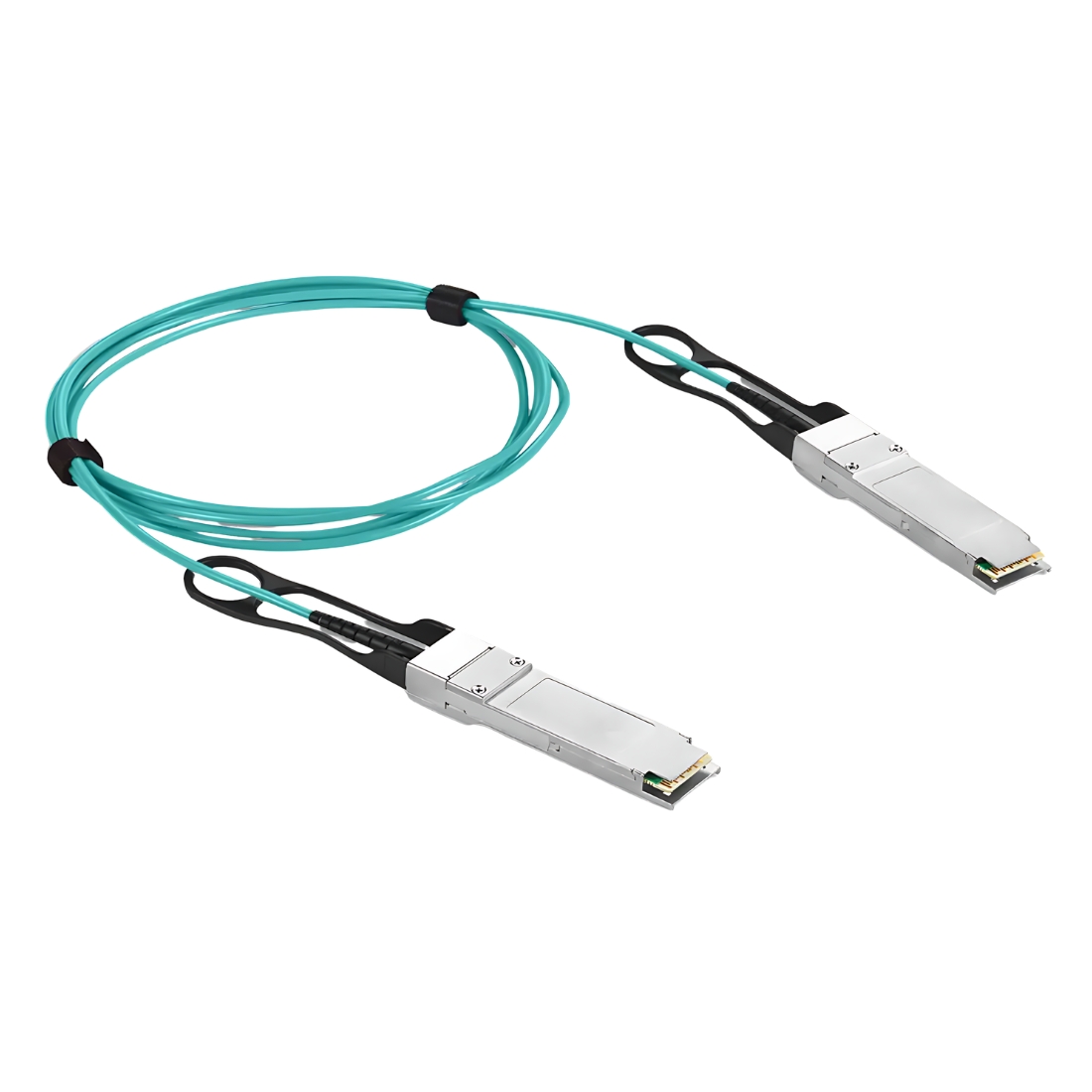
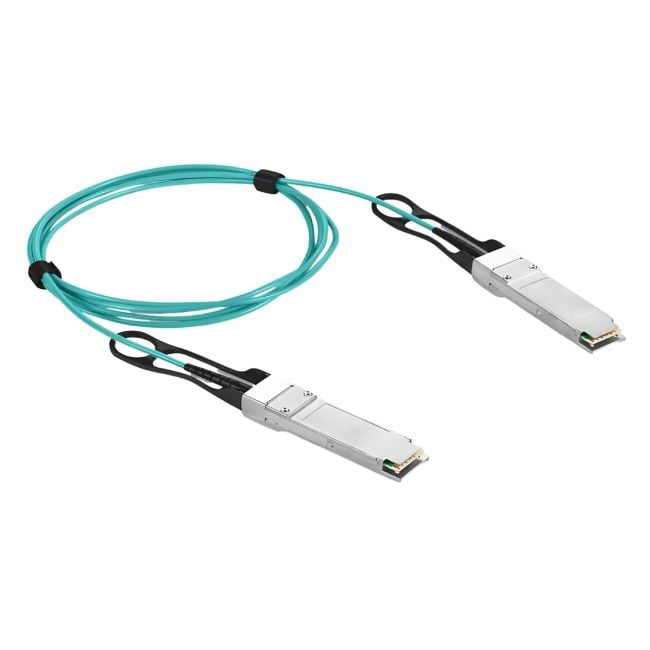
The Lenovo 1m DAC 100GbE QSFP28 to QSFP28 Passive Copper Cable connects devices equipped with QSFP28 ports, offering a straightforward solution for short-range, high-speed data transfers. It fits well in data centers where direct attach cables help streamline network architecture and reduce power draw compared to optical alternatives. |
General Information |
|
|---|---|
| Brand | Lenovo |
| Part Number | 7Z57A03561 |
| Alternate Part Number | 7Z57A03561-12-HU |
Technical Information |
|
|---|---|
| Cable Family | DAC/AOC |
| Cable Type | Direct Attach Cable (DAC) |
| Data Rate | 100GbE |
| Cable Length | 1m |
| Compatibility | QSFP28 ports; designed for 100GbE connectivity; compatible with Lenovo switches and servers with QSFP28 ports |
| product type | Passive Copper Cable (Direct Attach Cable, DAC) |
| Product Category | Network Cable |
Connectivity |
|
|---|---|
| Connector A | QSFP28 |
| Connector B | QSFP28 |
| Cable Connector Gender | Male to Male |
| Connector Type | QSFP28 |
Physical Characteristics |
|
|---|---|
| Form Factor | QSFP28 to QSFP28 |
| Condition | Refurbished |
Product Description |
|---|
This Lenovo 1m DAC 100GbE QSFP28 to QSFP28 Passive Copper Cable is built for high-speed connections between networking devices such as switches, servers, and storage units. It’s commonly used in data centers and enterprise environments to link QSFP28 ports directly without the need for transceivers. Often found in setups requiring short-reach, high-bandwidth, and cost-effective cabling solutions, this cable is ideal for IT professionals managing dense, performance-driven infrastructure. Key Features
These cables are typically deployed in rack-mounted server environments where space and efficiency matter. They help maintain signal fidelity while reducing latency across high-speed network paths. Using passive copper cables like this one offers a straightforward and affordable way to achieve 100GbE connectivity without the complexity of optical modules. |
 Shipping Options
 International Delivery
Requires a UPS, FedEx, or DHL account. Customers may arrange pickup from our US warehouse.
International Delivery
Requires a UPS, FedEx, or DHL account. Customers may arrange pickup from our US warehouse.
 Payment Methods
We accept Visa, Mastercard, AMEX, Discover, and Wire Transfer.
Payment Methods
We accept Visa, Mastercard, AMEX, Discover, and Wire Transfer.
 Purchase Orders
We process purchase orders for government agencies, enterprises, data centers, and SMBs.
Purchase Orders
We process purchase orders for government agencies, enterprises, data centers, and SMBs.