

Subscribe To Our Newsletter!
Subscribe to the newsletter to stay up to date with the latest news and most useful
Newsletter
↑
Back to Top



Product Overview |
|---|
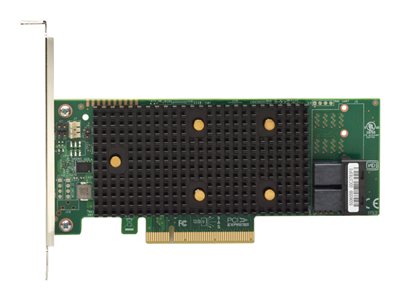
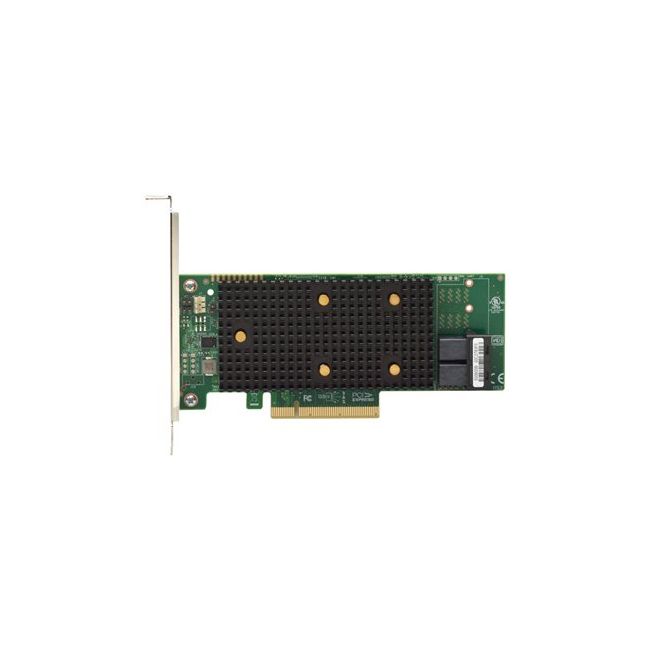
The Lenovo ThinkSystem 430-8i RAID controller is a storage management card that connects multiple hard drives or SSDs for improved performance and data protection. It fits into servers to offer flexible RAID options, helping maintain data integrity while boosting access speeds in various IT infrastructures. |
General Information |
|
|---|---|
| Brand | Lenovo |
| Part Number | 7Y37A01088 |
| Alternate Part Number | 7Y37A01088-02-CT |
Physical Characteristics |
|
|---|---|
| Weight | 5.00 |
| Condition | Refurbished |
Product Description |
|---|
This Lenovo ThinkSystem 430-8i RAID controller manages data storage efficiently by connecting multiple SAS and SATA drives at speeds up to 12Gb/s. It's built for enterprise servers requiring reliable data management and improved I/O performance. Often found in data centers and server environments, this controller suits IT professionals needing versatile and robust RAID options to protect critical data and optimize storage resources. Key Features
This controller is typically deployed in medium to large-scale server setups where data integrity and speed are priorities. Its ability to support multiple RAID configurations makes it valuable for applications ranging from database management to virtualization. |
Use Cases |
|---|
The Lenovo ThinkSystem 430-8i RAID controller is commonly deployed in enterprise IT environments where reliable data throughput and redundancy are critical. It benefits data center administrators and storage architects managing high-density server configurations requiring scalable and fault-tolerant storage solutions. How It's Used:
This controller plays a vital role in maintaining operational efficiency by enabling robust RAID setups that scale with evolving storage demands. Its integration with Lenovo ThinkSystem servers ensures cohesive management and optimized throughput across diverse IT workloads. |
 Shipping Options
 International Delivery
Requires a UPS, FedEx, or DHL account. Customers may arrange pickup from our US warehouse.
International Delivery
Requires a UPS, FedEx, or DHL account. Customers may arrange pickup from our US warehouse.
 Payment Methods
We accept Visa, Mastercard, AMEX, Discover, and Wire Transfer.
Payment Methods
We accept Visa, Mastercard, AMEX, Discover, and Wire Transfer.
 Purchase Orders
We process purchase orders for government agencies, enterprises, data centers, and SMBs.
Purchase Orders
We process purchase orders for government agencies, enterprises, data centers, and SMBs.