

Subscribe To Our Newsletter!
Subscribe to the newsletter to stay up to date with the latest news and most useful
Newsletter
↑
Back to Top



| Product Overview |
|---|
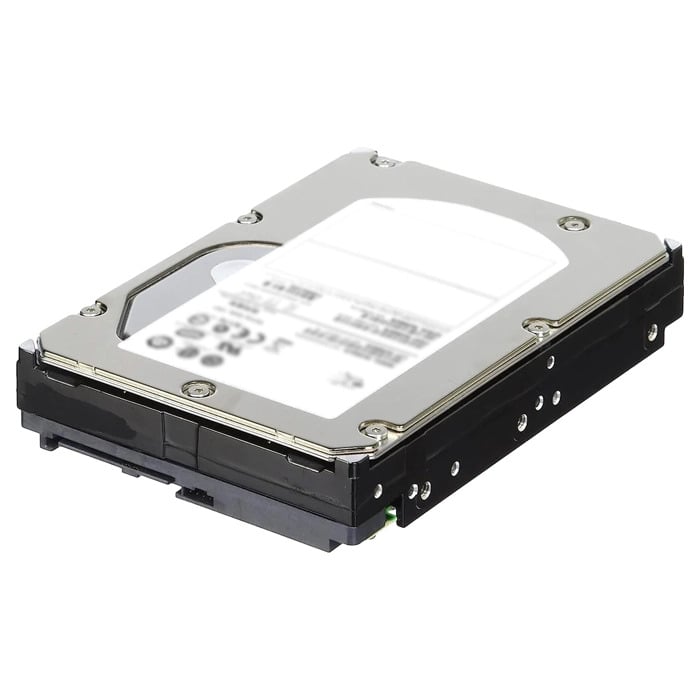
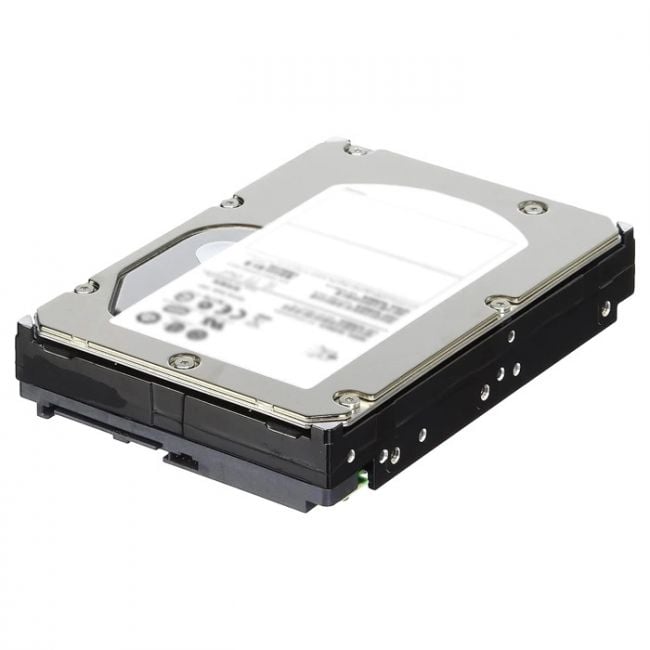
The IBM 79F4040 is a 3.5-inch internal hard drive designed primarily for enterprise servers and storage arrays. It provides moderate storage capacity paired with a SCSI interface that suits environments where stable, consistent data access is essential. Its 32KB cache and spindle speed serve to optimize performance without requiring excessive power or cooling, fitting well into many server setups still relying on SCSI technology. |
| General Information | |
|---|---|
| Brand | IBM |
| Part Number | 79F4040 |
| Technical Information | |
|---|---|
| Form Factor | 3.5-inch |
| Disk Format | HDD |
| Cache | 32KB |
| Spindle Speed | 4320 RPM |
| Hot Pluggable | No |
| Hot Swappable | No |
| Hybrid Drive | No |
| Compatible For | Servers, Workstations |
| Interfaces/Ports | |
|---|---|
| Interface | SCSI |
| Physical Characteristics | |
|---|---|
| Height | 26.1 mm |
| Width | 101.6 mm |
| Depth | 147 mm |
| Dimensions | 26.1 mm x 101.6 mm x 147 mm (1.028 in x 4.00 in x 5.787 in) |
| Condition | Refurbished |
| Weight | 1.76 |
| Product Description |
|---|
This IBM 79F4040 internal hard drive offers 210GB of storage with a 4320 RPM spindle speed, providing dependable performance for data-intensive applications. It's frequently found in enterprise server environments where consistent access to stored data is critical. Built to fit standard 3.5-inch drive bays, the drive uses a SCSI interface that supports robust communication between the drive and server controllers. IT professionals and system administrators often select drives like this for their balance of capacity, speed, and reliability. Key Features
This hard drive is typically deployed in enterprise data centers or legacy server systems where SCSI drives remain standard. It supports steady data throughput needed for business-critical operations without sacrificing reliability. Its design ensures it can handle the rigorous demands of constant read/write cycles common in professional environments, making it a practical choice for maintaining existing infrastructure. |
 Shipping Options
 International Delivery
Requires a UPS, FedEx, or DHL account. Customers may arrange pickup from our US warehouse.
International Delivery
Requires a UPS, FedEx, or DHL account. Customers may arrange pickup from our US warehouse.
 Payment Methods
We accept Visa, Mastercard, AMEX, Discover, and Wire Transfer.
Payment Methods
We accept Visa, Mastercard, AMEX, Discover, and Wire Transfer.
 Purchase Orders
We process purchase orders for government agencies, enterprises, data centers, and SMBs.
Purchase Orders
We process purchase orders for government agencies, enterprises, data centers, and SMBs.