

Subscribe To Our Newsletter!
Subscribe to the newsletter to stay up to date with the latest news and most useful
Newsletter
↑
Back to Top



Product Overview |
|---|
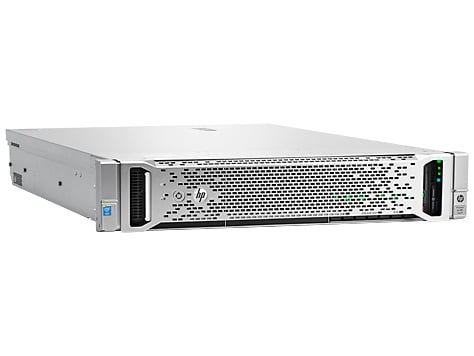
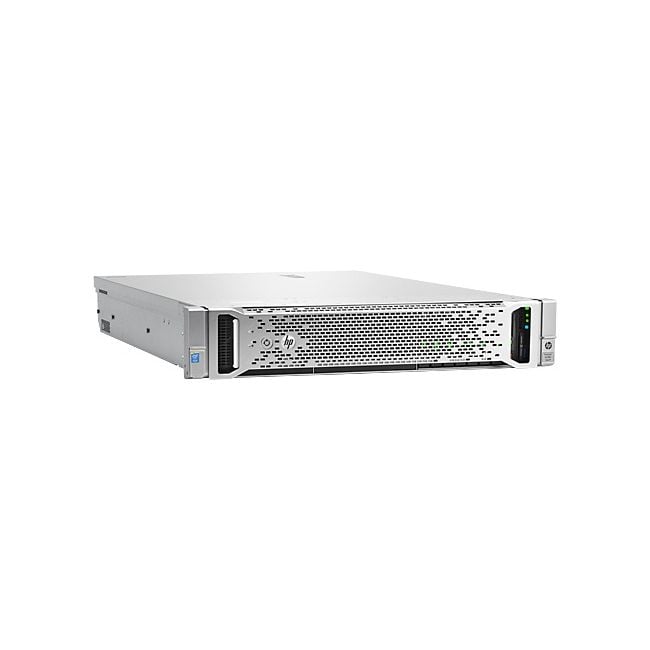
The HPE ProLiant DL380 Gen9 CTO Chassis 4LFF 2U Server offers a flexible server base designed to support demanding enterprise workloads. It's a solid choice for data centers needing a balance of storage capacity and rack efficiency, fitting into 2U rack spaces while accommodating large hard drives. |
General Information |
|
|---|---|
| Brand | HPE |
| Part Number | 767033-B21 |
Physical Characteristics |
|
|---|---|
| Weight | 5.00 |
| Condition | Refurbished |
Product Description |
|---|
The HPE ProLiant DL380 Gen9 CTO Chassis 4LFF 2U Server is built for enterprise environments that require reliable, flexible, and scalable server infrastructure. It’s commonly found in data centers powering virtualization, database management, and heavy compute tasks. Engineered to house up to four large form factor drives, this chassis provides ample storage options while fitting into a standard 2U rack space. IT professionals and system administrators often use it when flexibility in configuration and robust performance are priorities. Key Features
This chassis is typically deployed in mid to large-scale data centers where workload versatility and uptime are crucial. Its design helps IT teams manage storage and compute resources effectively without sacrificing rack space or serviceability. |
Use Cases |
|---|
The HPE ProLiant DL380 Gen9 4LFF 2U Server Chassis is typically deployed in enterprise data centers where space efficiency and high storage capacity are critical. IT administrators managing virtualization platforms and database clusters benefit from its scalable design and ability to support high-density storage arrays. How It's Used:
This server chassis enables organizations to optimize rack space without sacrificing storage scalability, facilitating easier maintenance and upgrades. It supports operational efficiency by accommodating diverse workloads and evolving data requirements within a compact footprint. |
 Shipping Options
 International Delivery
Requires a UPS, FedEx, or DHL account. Customers may arrange pickup from our US warehouse.
International Delivery
Requires a UPS, FedEx, or DHL account. Customers may arrange pickup from our US warehouse.
 Payment Methods
We accept Visa, Mastercard, AMEX, Discover, and Wire Transfer.
Payment Methods
We accept Visa, Mastercard, AMEX, Discover, and Wire Transfer.
 Purchase Orders
We process purchase orders for government agencies, enterprises, data centers, and SMBs.
Purchase Orders
We process purchase orders for government agencies, enterprises, data centers, and SMBs.