

Subscribe To Our Newsletter!
Subscribe to the newsletter to stay up to date with the latest news and most useful
Newsletter
↑
Back to Top



Product Overview |
|---|
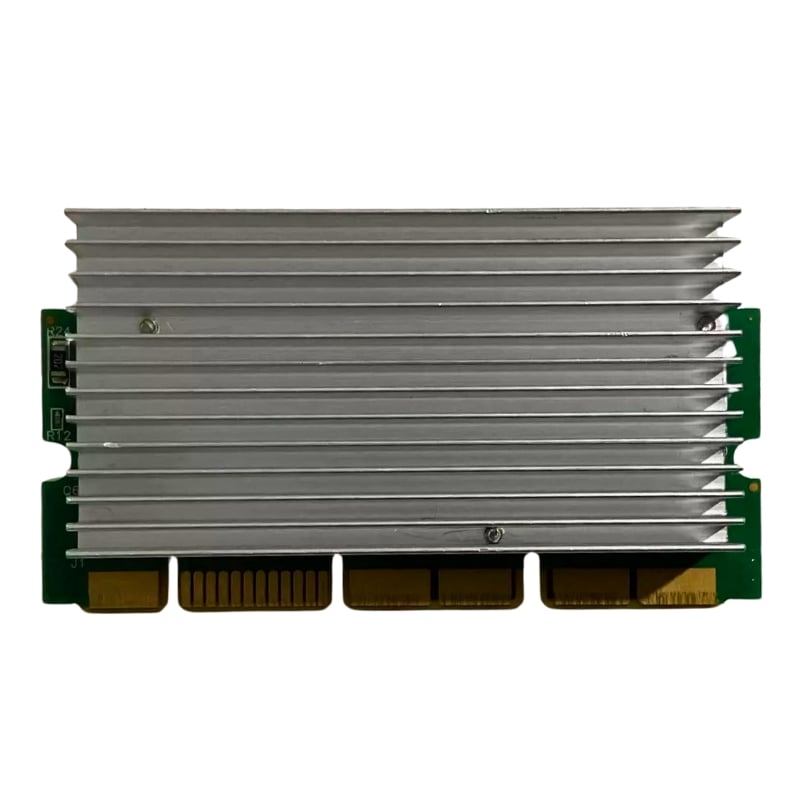
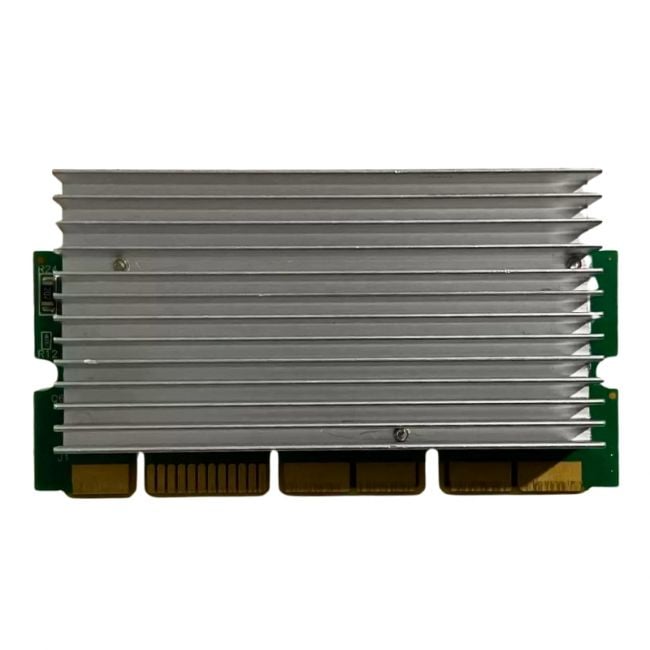
The IBM 74Y6138 Memory Voltage Regulator Module (VRM) is a critical component for maintaining reliable memory performance in IBM PSeries 8203-E4A servers. With a stable 1.5V output, a 20W power capacity, and a secure 240-pin design, this VRM ensures efficient voltage regulation, making it ideal for enterprise server environments. |
General Information |
|
|---|---|
| Brand | IBM |
| Part Number | 74Y6138 |
Physical Characteristics |
|
|---|---|
| Dimensions | 0.5" x 1.2" x 2.5" |
| Weight | 0.50 |
| Condition | Refurbished |
Product Description |
|---|
The IBM 74Y6138 Memory Voltage Regulator Module (VRM) is designed for IBM PSeries 8203-E4A servers, ensuring stable and efficient power delivery to memory modules. This VRM converts a 12V input voltage into a consistent 1.5V output, allowing for optimal memory performance and reducing the risk of voltage fluctuations that could impact system reliability. With a power capacity of 20W, the module is engineered to meet the demands of enterprise-level computing environments. The 240-pin design ensures a secure connection, enhancing power efficiency and stability for critical server operations. Key Features
|
Use Cases |
|---|
The IBM 74Y6138 Memory Voltage Regulator Module is primarily utilized within IBM PSeries 8203-E4A servers, supporting critical memory power needs in high-demand enterprise environments. This component is essential for IT professionals managing server infrastructures where stable memory voltage is crucial for maintaining performance and reliability under continuous workloads. How It's Used:
This module contributes directly to operational efficiency by delivering stable and reliable voltage to memory modules, thereby supporting scalability in server configurations. Its role in maintaining optimal power conditions aids in preventing performance bottlenecks, ensuring long-term system stability in demanding IT infrastructures. |
 Shipping Options
 International Delivery
Requires a UPS, FedEx, or DHL account. Customers may arrange pickup from our US warehouse.
 Payment Methods
We accept Visa, Mastercard, AMEX, Discover, and Wire Transfer.
 Purchase Orders
We process purchase orders for government agencies, enterprises, data centers, and SMBs.