

Subscribe To Our Newsletter!
Subscribe to the newsletter to stay up to date with the latest news and most useful
Newsletter
↑
Back to Top



| Product Overview |
|---|
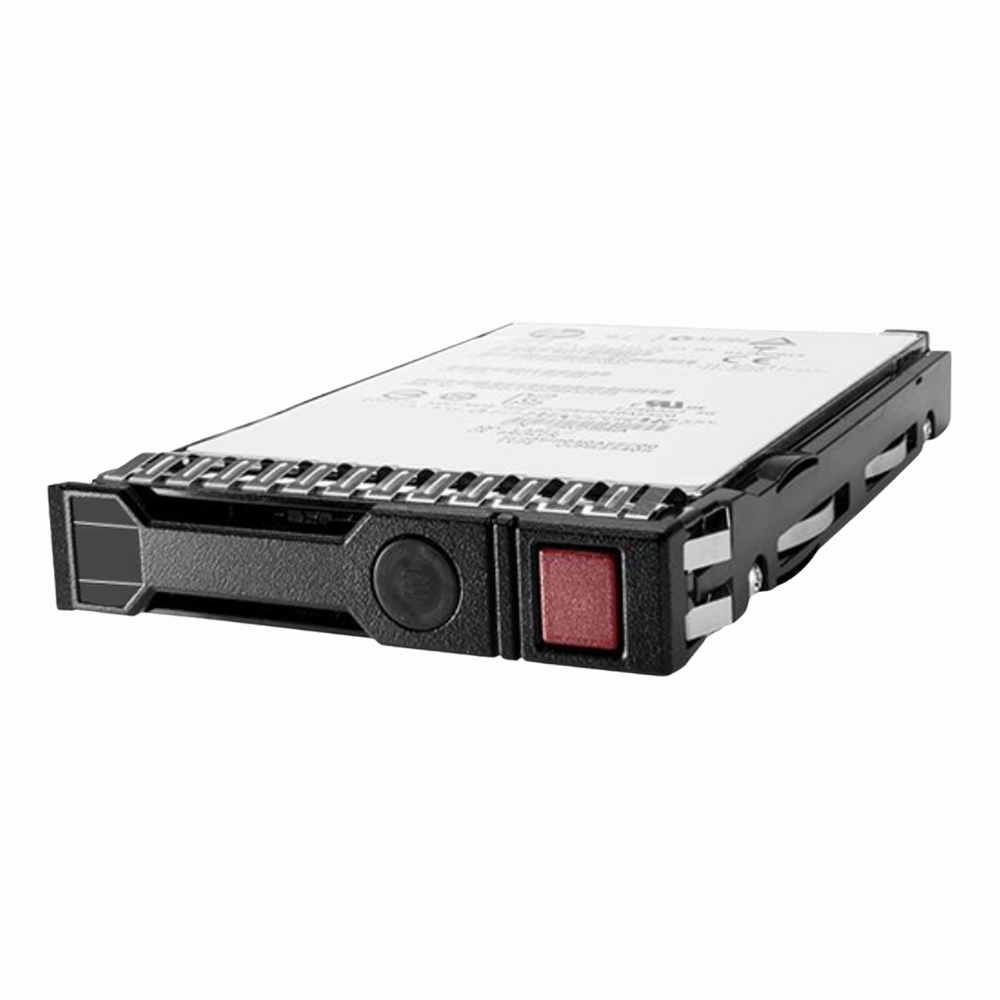
The HP 4TB 7200RPM SAS 6Gb/s Hot-Pluggable Dual Port LFF 3.5-inch Midline Hard Drive offers substantial storage capacity tailored for enterprise storage needs. It fits well in server racks and data centers, serving as a reliable component for mid-tier workloads requiring balance between speed and durability. |
| General Information | |
|---|---|
| Brand | HP |
| Part Number | 743432-004 |
| Technical Information | |
|---|---|
| Capacity | 4TB |
| Form Factor | 3.5-inch |
| Disk Format | LFF |
| Cache | 128MB |
| Spindle Speed | 7200 RPM |
| Hot Pluggable | Yes |
| Hot Swappable | Yes |
| Hybrid Drive | No |
| MTBF | 1,200,000 hours |
| Interfaces/Ports | |
|---|---|
| Interface | SAS 6Gb/s |
| Physical Characteristics | |
|---|---|
| Height | 26.1 mm (1.03 in) |
| Width | 101.6 mm (3.99 in) |
| Depth | 147 mm (5.79 in) |
| Dimensions | 26.1 mm x 101.6 mm x 147 mm (1.03 in x 3.99 in x 5.79 in) |
| Condition | Refurbished |
| Weight | 1.76 |
| Miscellaneous | |
|---|---|
| Compliance Standards | RoHS, CE, FCC |
| Product Description |
|---|
This HP 4TB 7200RPM SAS hard drive is built for midline storage environments where large capacity and consistent performance matter. It is commonly used in servers and storage arrays that require dependable data access and flexibility. Often found in data centers and enterprise systems, this drive supports users who need scalable storage solutions with minimal downtime. IT professionals and system administrators benefit from its hot-pluggable feature, allowing drive swaps without powering down equipment. Key Features
This drive is typically deployed in enterprise server environments where uptime and storage capacity are critical. It helps maintain continuous operations by supporting hot swapping, which is particularly useful during hardware upgrades or replacements. The dual port feature ensures a failover path, reducing the risk of data access interruptions. |
 Shipping Options
 International Delivery
Requires a UPS, FedEx, or DHL account. Customers may arrange pickup from our US warehouse.
International Delivery
Requires a UPS, FedEx, or DHL account. Customers may arrange pickup from our US warehouse.
 Payment Methods
We accept Visa, Mastercard, AMEX, Discover, and Wire Transfer.
Payment Methods
We accept Visa, Mastercard, AMEX, Discover, and Wire Transfer.
 Purchase Orders
We process purchase orders for government agencies, enterprises, data centers, and SMBs.
Purchase Orders
We process purchase orders for government agencies, enterprises, data centers, and SMBs.