

Subscribe To Our Newsletter!
Subscribe to the newsletter to stay up to date with the latest news and most useful
Newsletter
↑
Back to Top



Product Overview |
|---|
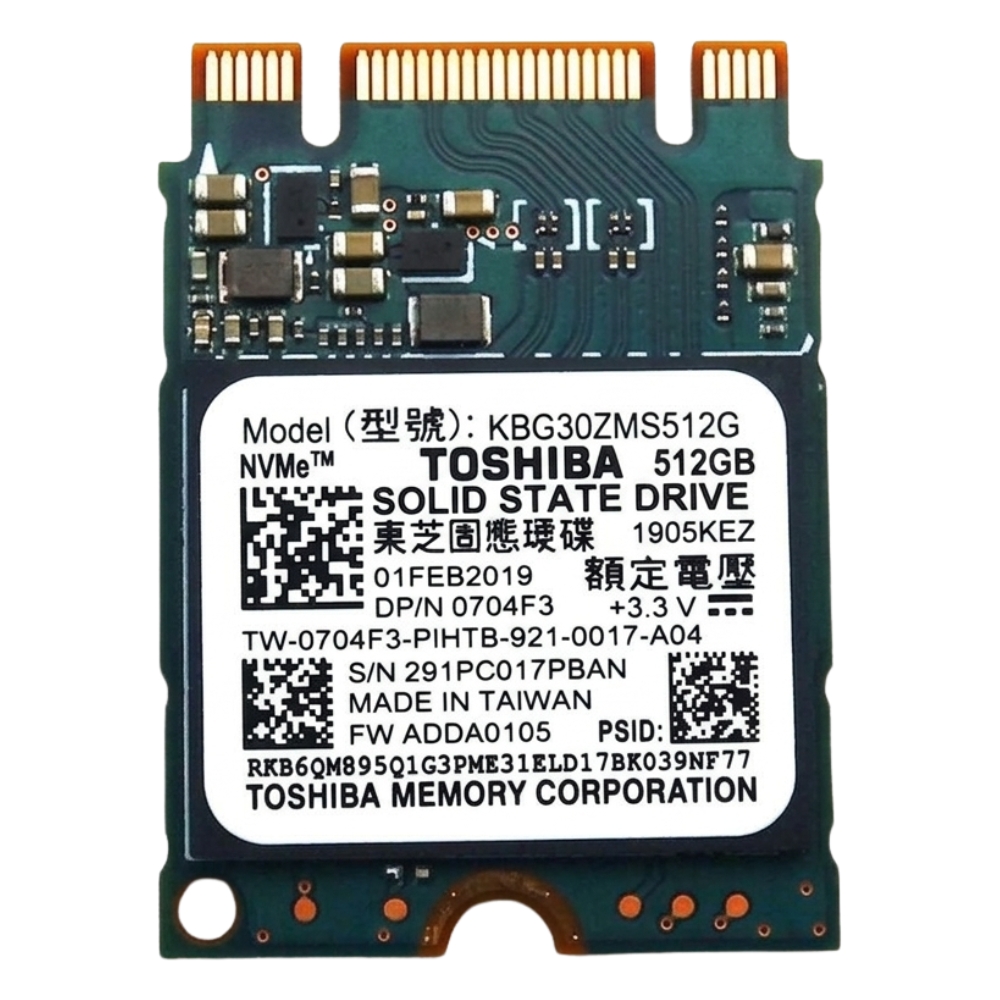
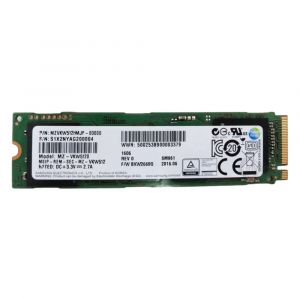
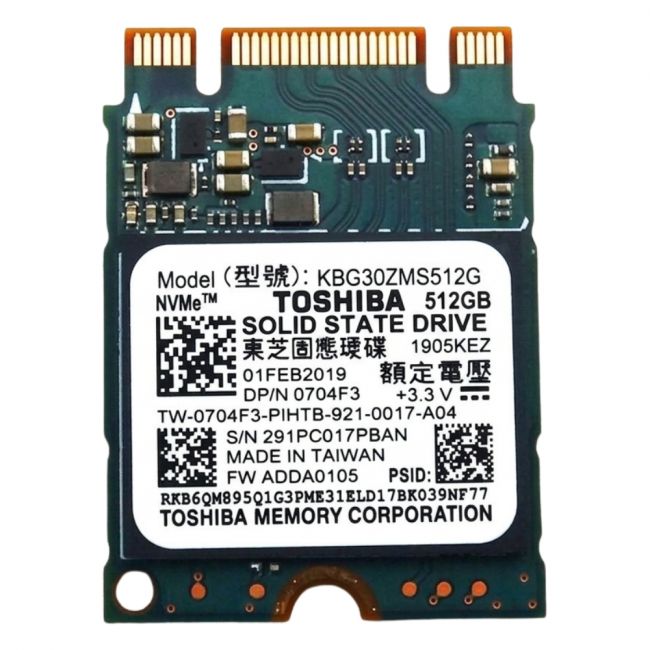
The Dell 512GB PCIe NVMe M.2 2230 SSD provides solid-state storage in a compact M.2 2230 form factor, using the PCIe NVMe interface to offer faster data transfer speeds. It fits into small systems and is designed for those seeking reliable storage solutions from a Dell-manufactured component. |
General Information |
|
|---|---|
| Brand | Dell |
Technical Information |
|
|---|---|
| Capacity | 512GB |
| Memory Technology | Triple-Level Cell (TLC) |
| Form Factor | M.2 2230 |
| Hot Swappable | No |
| Hot Pluggable | No |
Physical Characteristics |
|
|---|---|
| Dimensions | 2.3 x 22 x 30 mm |
| Weight | 0.60 |
| Condition | Refurbished |
Product Description |
|---|
The Dell 512GB PCIe NVMe M.2 2230 SSD is a solid-state drive designed to provide storage solutions for computing devices requiring compact and efficient components. This SSD is primarily used in laptops, ultrabooks, and small form factor systems where space constraints demand smaller storage modules. IT professionals and system integrators working with Dell systems or compatible platforms benefit from its form factor and interface specifications. Key Features
This SSD serves as a storage component that balances capacity with compact size and interface speed. It is suitable for upgrading or replacing storage in supported systems, offering faster boot and load times relative to mechanical drives. Its design addresses the needs of environments where space and performance must be optimized. |
Use Cases |
|---|
This SSD is typically used in small form factor laptops, ultrabooks, and embedded computing devices where high-speed storage is required but space is limited. It suits IT environments focused on Dell systems or compatible platforms needing efficient storage components. How It's Used:
The drive plays a key role in providing persistent data storage while supporting quick access and transfer speeds. It helps maintain system performance and responsiveness in devices constrained by physical size but requiring modern storage interfaces. |
FAQ's |
|---|
|
 Shipping Options
 International Delivery
Requires a UPS, FedEx, or DHL account. Customers may arrange pickup from our US warehouse.
 Payment Methods
We accept Visa, Mastercard, AMEX, Discover, and Wire Transfer.
 Purchase Orders
We process purchase orders for government agencies, enterprises, data centers, and SMBs.