

Subscribe To Our Newsletter!
Subscribe to the newsletter to stay up to date with the latest news and most useful
Newsletter
↑
Back to Top



Product Overview |
|---|
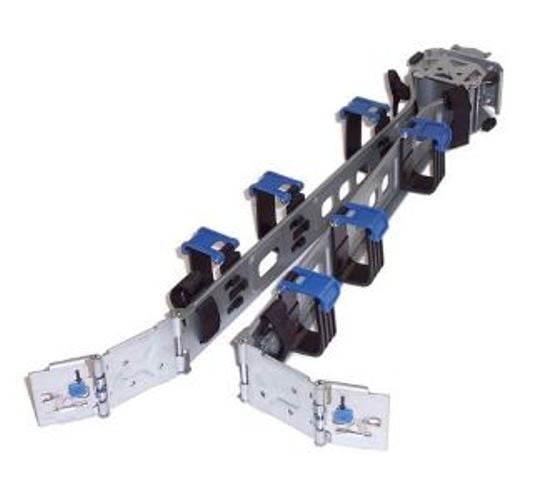
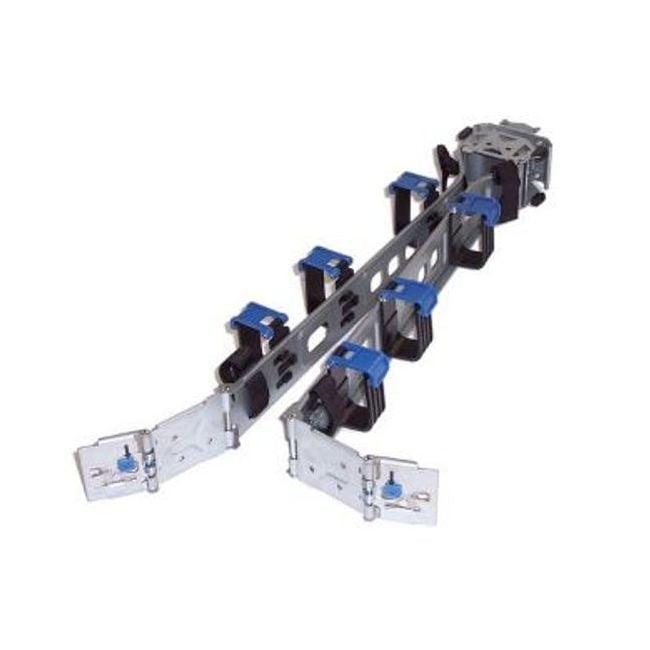
The HP 2U Rack-mountable Cable Management Arm Kit is designed to organize and protect cables for ProLiant DL380p Gen8 servers in rack environments. It fits neatly into a 2U space, providing a reliable solution to keep cables managed while allowing easy access during server maintenance or upgrades. |
General Information |
|
|---|---|
| Brand | HP |
Technical Information |
|
|---|---|
| Compatibility | HP ProLiant DL380p Gen8 |
Physical Characteristics |
|
|---|---|
| Weight | 5.00 |
| Condition | Refurbished |
Miscellaneous |
|
|---|---|
| Assembly Required | Yes |
| Eco Friendly | Yes |
| Compliance Standards | WEEE, RoHS |
Product Description |
|---|
This HP 2U Rack-mountable Cable Management Arm Kit is built to streamline cable routing for ProLiant DL380p Gen8 servers. It's commonly used in data centers and server rooms to keep network and power cables tidy and secure, preventing tangling and damage. Often found in enterprise environments, IT professionals and system administrators rely on this cable arm to maintain clean setups and facilitate quick hardware servicing without disturbing connected cables. Key Features
This cable management arm is typically deployed in rack-mounted server installations, helping maintain order among network and power cables. By holding cables securely in place, it reduces downtime risks caused by accidental unplugging or cable damage. |
Use Cases |
|---|
The HP 2U Rack-mountable Cable Management Arm Kit is primarily deployed in enterprise data centers and IT environments utilizing HP ProLiant DL380p Gen8 servers. It is especially beneficial for system administrators and IT professionals managing dense rack deployments where maintaining organized and secure cabling is critical for operational uptime and serviceability. How It's Used:
By maintaining organized cable pathways, this cable management arm contributes to streamlined hardware servicing and reduces potential points of failure. It supports scalability by simplifying cable routing as server densities increase, thereby promoting efficient rack utilization and minimizing operational disruptions. |
 Shipping Options
 International Delivery
Requires a UPS, FedEx, or DHL account. Customers may arrange pickup from our US warehouse.
International Delivery
Requires a UPS, FedEx, or DHL account. Customers may arrange pickup from our US warehouse.
 Payment Methods
We accept Visa, Mastercard, AMEX, Discover, and Wire Transfer.
Payment Methods
We accept Visa, Mastercard, AMEX, Discover, and Wire Transfer.
 Purchase Orders
We process purchase orders for government agencies, enterprises, data centers, and SMBs.
Purchase Orders
We process purchase orders for government agencies, enterprises, data centers, and SMBs.