

Subscribe To Our Newsletter!
Subscribe to the newsletter to stay up to date with the latest news and most useful
Newsletter
↑
Back to Top



Product Overview |
|---|
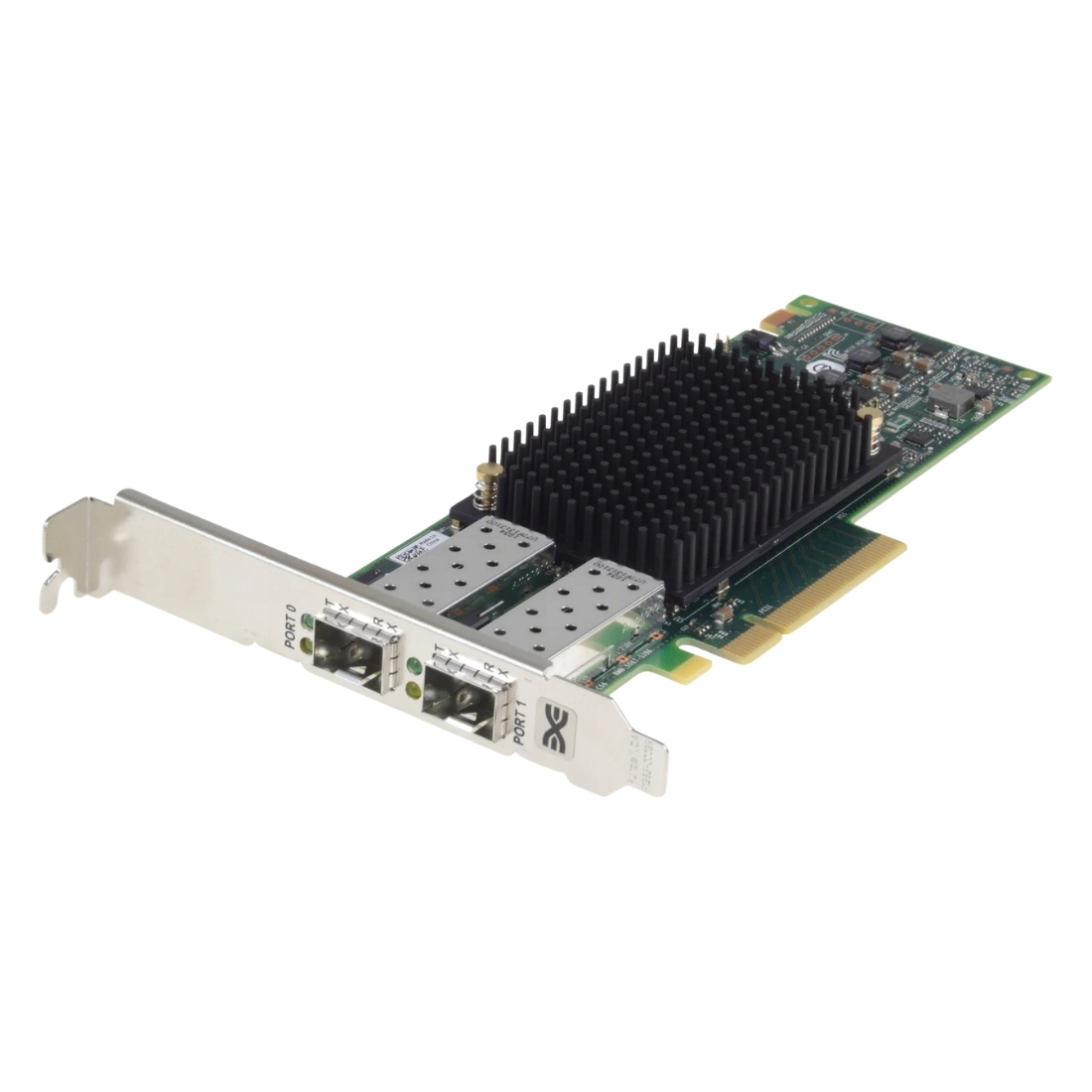
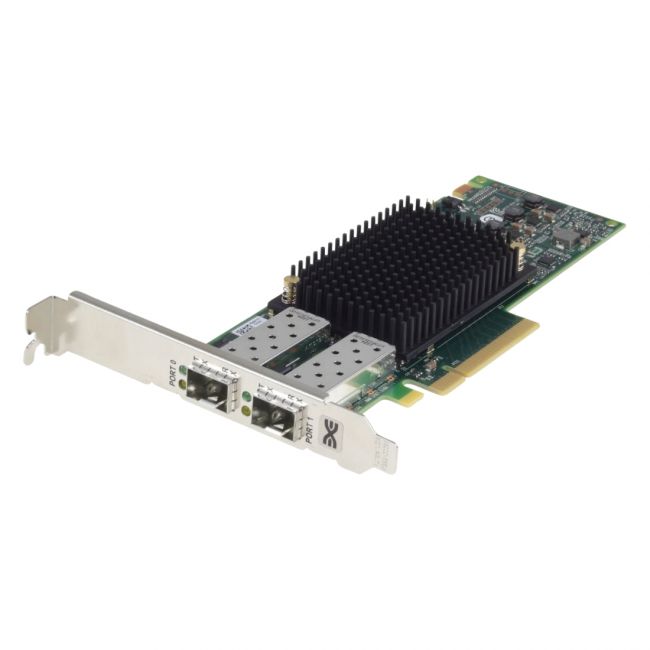
The 663213-001 - HP 2 x Ports USB 3.0 4.8Gb/s Superspeed PCI-e X1 NIC expands a system’s USB connectivity with two high-speed ports. It fits into standard PCI-e x1 slots and delivers fast data transfers while ensuring compatibility with a range of USB devices. This card is a practical accessory for enhancing peripheral connections in many computing setups. |
General Information |
|
|---|---|
| Brand | HP |
Technical Information |
|
|---|---|
| Product Type | Network Interface Card |
| Data Center Bridging | No |
| Number of Ports | 2-Port (Dual) |
| Bracket Height | Both Brackets Included |
Connectivity & Physical |
|
|---|---|
| Form Factor | Low Profile |
| Weight | 3.00 |
| Condition | Refurbished |
Miscellaneous |
|
|---|---|
| Assembly Required | No |
| Compliance Standards | WEEE, RoHS, CE, FCC |
Product Description |
|---|
This HP PCI-e x1 NIC provides two USB 3.0 ports capable of superspeed data transfers up to 4.8Gb/s. It is often found in desktop and server environments where expanding USB connectivity is necessary. Built for IT professionals and system integrators, this card enhances the data transfer capabilities of existing systems without requiring upgrades to the motherboard. Key Features
Adding this interface card offers a practical solution for increasing USB connectivity with reliable performance. Its straightforward design and stable operation make it a dependable component in maintaining or upgrading system capabilities. |
Use Cases |
|---|
This PCI-e USB 3.0 expansion card is typically utilized to increase port availability in office desktops, servers, and workstations where existing USB connections are limited. It benefits IT teams needing to support additional devices and high-throughput data transfers without large hardware changes. How It's Used:
Its role in expanding USB connectivity supports smoother operations by ensuring peripheral devices can work at optimal speeds. This contributes to enhanced system scalability and operational efficiency in varied IT environments. |
 Shipping Options
 International Delivery
Requires a UPS, FedEx, or DHL account. Customers may arrange pickup from our US warehouse.
International Delivery
Requires a UPS, FedEx, or DHL account. Customers may arrange pickup from our US warehouse.
 Payment Methods
We accept Visa, Mastercard, AMEX, Discover, and Wire Transfer.
Payment Methods
We accept Visa, Mastercard, AMEX, Discover, and Wire Transfer.
 Purchase Orders
We process purchase orders for government agencies, enterprises, data centers, and SMBs.
Purchase Orders
We process purchase orders for government agencies, enterprises, data centers, and SMBs.