

Subscribe To Our Newsletter!
Subscribe to the newsletter to stay up to date with the latest news and most useful
Newsletter
↑
Back to Top



| Product Overview |
|---|
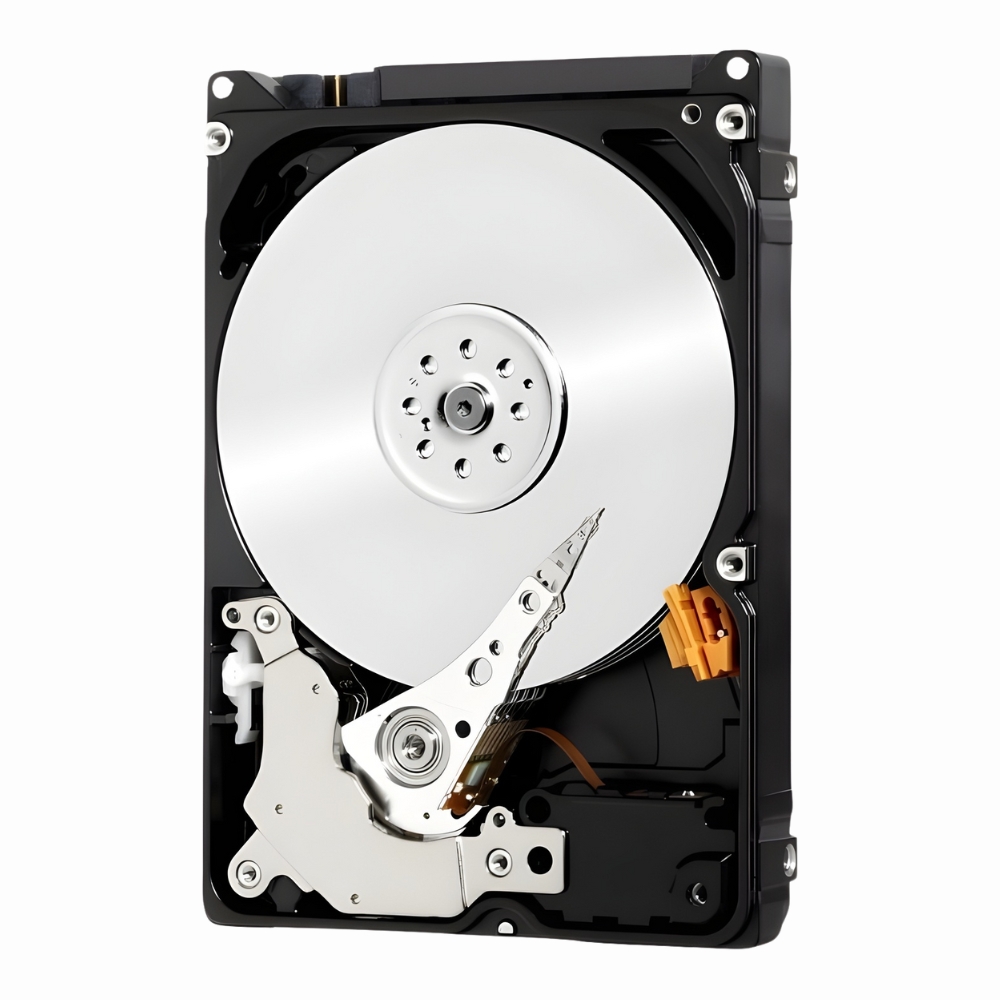
The Dell 64GN6 hard drive offers a balance of speed and capacity tailored for enterprise storage needs. It fits well in servers that require reliable, fast access to data with its 10,000 RPM spindle speed and 6Gb/s SAS connection. Its 64MB cache boosts performance during intensive operations, making it a practical choice for data centers managing critical workloads. |
| General Information | |
|---|---|
| Brand | Dell |
| Part Number | 64GN6 |
| Technical Information | |
|---|---|
| Capacity | 900GB |
| Form Factor | 2.5-inch |
| Disk Format | 2.5-inch |
| Cache | 64MB |
| Spindle Speed | 10000 RPM |
| Hot Pluggable | Yes |
| Hot Swappable | Yes |
| Hybrid Drive | No |
| Compatible For | Servers, Dell PowerEdge |
| Interfaces/Ports | |
|---|---|
| Interface | SAS 6Gb/s |
| Physical Characteristics | |
|---|---|
| Condition | Refurbished |
| Weight | 3.00 |
| Miscellaneous | |
|---|---|
| Compliance Standards | RoHS, CE, FCC |
| Product Description |
|---|
This Dell 64GN6 hard drive delivers reliable high-speed storage designed for enterprise servers and data centers. It is built to handle demanding workloads where quick access to data and sustained performance are essential. Often found in rack-mounted or blade servers, this drive supports critical applications and databases that require consistent throughput. Typically used by IT professionals and system administrators, this drive benefits environments that need a balance of capacity, speed, and durability. Its 2.5-inch size allows for efficient use of space in server chassis, making it suitable for high-density storage setups. Key Features
These drives are commonly deployed in server environments where space and speed are both priorities. They provide the backbone for database storage, virtualization, and transactional systems. In practice, the 64GN6 helps maintain uptime and data integrity, supporting the demands of busy IT infrastructures. |
 Shipping Options
 International Delivery
Requires a UPS, FedEx, or DHL account. Customers may arrange pickup from our US warehouse.
International Delivery
Requires a UPS, FedEx, or DHL account. Customers may arrange pickup from our US warehouse.
 Payment Methods
We accept Visa, Mastercard, AMEX, Discover, and Wire Transfer.
Payment Methods
We accept Visa, Mastercard, AMEX, Discover, and Wire Transfer.
 Purchase Orders
We process purchase orders for government agencies, enterprises, data centers, and SMBs.
Purchase Orders
We process purchase orders for government agencies, enterprises, data centers, and SMBs.