

Subscribe To Our Newsletter!
Subscribe to the newsletter to stay up to date with the latest news and most useful
Newsletter
↑
Back to Top



Product Overview |
|---|
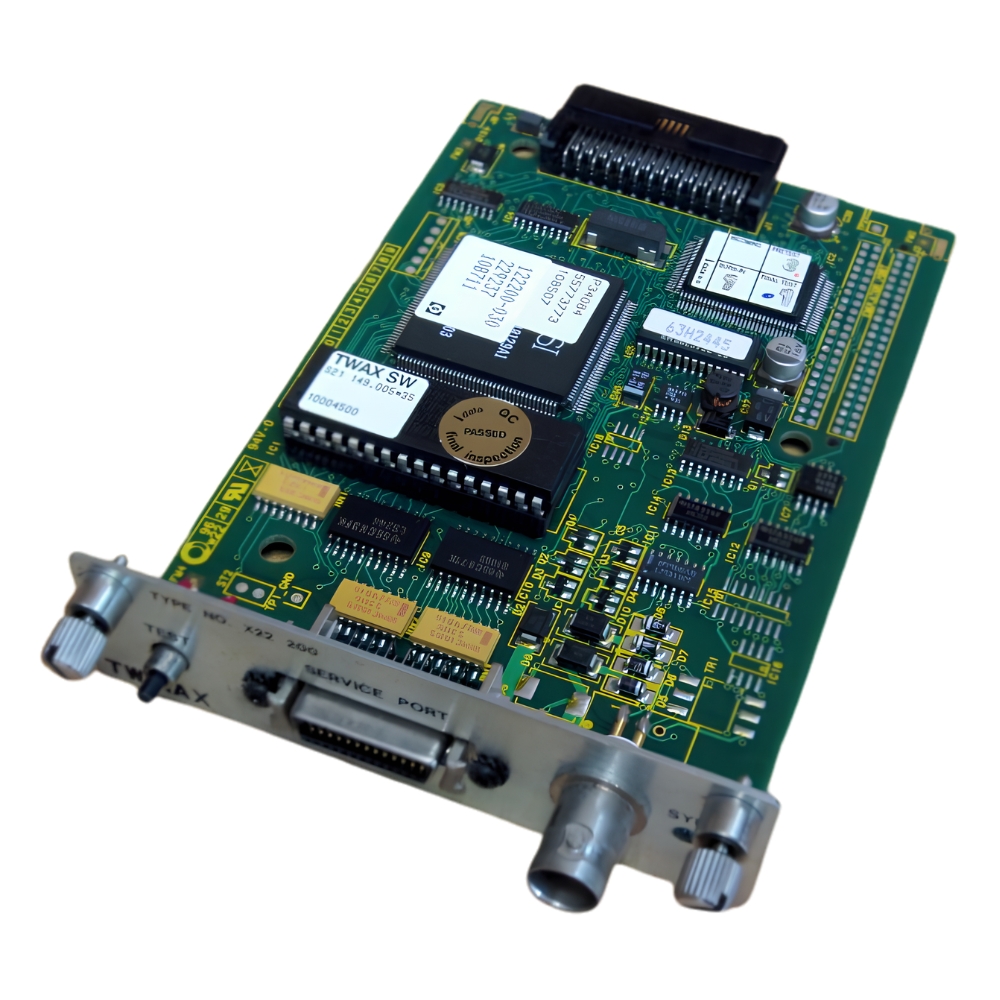
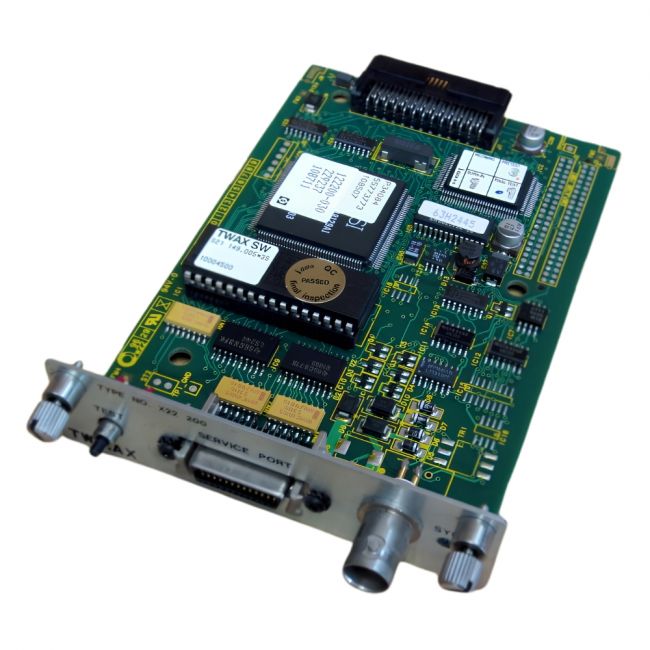
The 63H2445 - IBM Twinax/Coax Adapter Card provides essential connectivity for IBM equipment, enabling the use of Twinax or Coax cables within network and storage environments. It fits within the hardware infrastructure to allow communication across established cabling systems, supporting operational continuity without complex modifications. |
General Information |
|
|---|---|
| Brand | IBM |
Technical Information |
|
|---|---|
| Product Type | Network Interface Card |
Connectivity & Physical |
|
|---|---|
| Weight | 3.00 |
| Condition | Refurbished |
Product Description |
|---|
The 63H2445 - IBM Twinax/Coax Adapter Card functions as an interface allowing IBM hardware to connect efficiently with Twinaxial or Coaxial cabling systems. It is often found in data center environments where legacy IBM infrastructure requires integration with established network cabling standards. IT professionals and system administrators benefit from this adapter when managing IBM servers and storage units that depend on these communication protocols. Key Features
This adapter card plays a practical role in bridging older network cabling technologies with modern IBM systems, helping maintain communication pathways without the need for extensive rewiring. Its reliable performance and straightforward design ensure ongoing functionality in complex computing setups. |
Use Cases |
|---|
This adapter card is typically used in enterprise data centers and environments where IBM server and storage systems rely on traditional cabling methods like Twinax and Coax. It is valuable for IT teams managing legacy infrastructure while ensuring smooth integration with existing network components. How It's Used:
By providing a reliable physical connection interface, this adapter card aids in maintaining system stability and performance across diverse IT setups, supporting scalability and operational consistency in complex enterprise environments. |
 Shipping Options
 International Delivery
Requires a UPS, FedEx, or DHL account. Customers may arrange pickup from our US warehouse.
International Delivery
Requires a UPS, FedEx, or DHL account. Customers may arrange pickup from our US warehouse.
 Payment Methods
We accept Visa, Mastercard, AMEX, Discover, and Wire Transfer.
Payment Methods
We accept Visa, Mastercard, AMEX, Discover, and Wire Transfer.
 Purchase Orders
We process purchase orders for government agencies, enterprises, data centers, and SMBs.
Purchase Orders
We process purchase orders for government agencies, enterprises, data centers, and SMBs.