

Subscribe To Our Newsletter!
Subscribe to the newsletter to stay up to date with the latest news and most useful
Newsletter
↑
Back to Top



Product Overview |
|---|
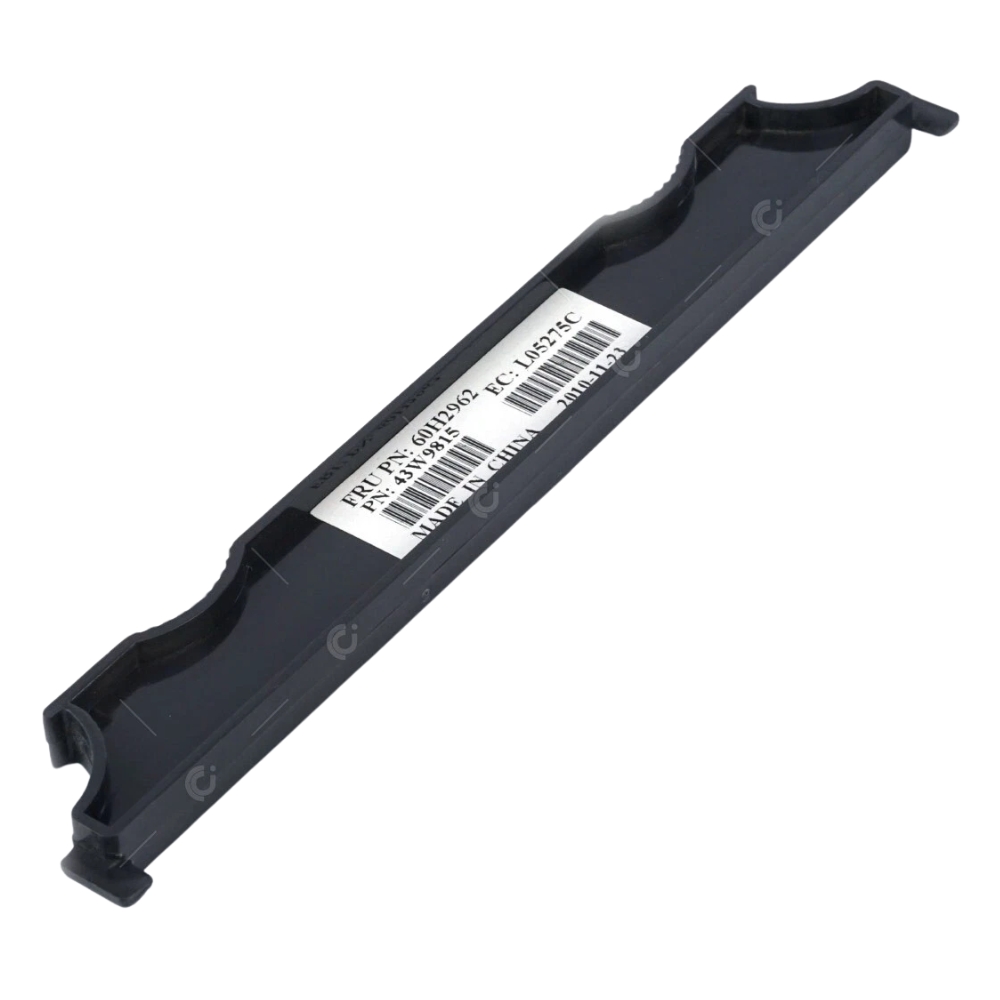
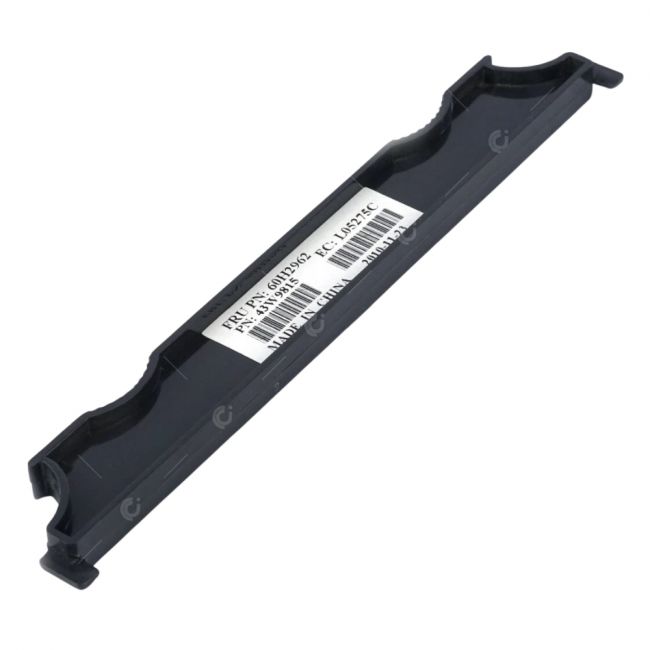
The IBM 60H2962 Memory DIMM Filler is a simple but important component designed to maintain proper airflow and cooling within the BladeCenter HS22 server chassis. By occupying empty DIMM slots, it helps prevent heat buildup and supports stable server operation, fitting seamlessly in environments where not all memory slots are populated. |
General Information |
|
|---|---|
| Brand | IBM |
| Part Number | 60H2962 |
| Alternate Part Number | 60H2962-02-CT |
Physical Characteristics |
|
|---|---|
| Weight | 0.50 |
| Condition | Refurbished |
Product Description |
|---|
This memory DIMM filler is designed specifically for the IBM BladeCenter HS22 server. It fits into empty memory slots, which helps maintain the server's optimal airflow and cooling performance. BladeCenter environments often require proper ventilation to prevent overheating and ensure reliable operation, and this filler plays a key role in that process. Typically used by IT professionals managing BladeCenter servers, this DIMM filler supports maintaining system stability and prolonging hardware life by reducing heat build-up. It's especially useful in data centers or server rooms where maximizing airflow is critical. Key Features
In practice, this filler is commonly found in IBM BladeCenter HS22 servers when some memory slots are unoccupied. Its role in managing airflow helps keep the server running efficiently over time, reducing the risk of thermal issues. IT teams rely on components like these to maintain optimal hardware conditions without needing to fill every slot with actual memory modules. |
Use Cases |
|---|
The 60H2962 Memory DIMM Filler is typically utilized in enterprise data centers and IT environments that deploy IBM BladeCenter HS22 blades. It serves users who need to maintain optimal thermal management and airflow in rack-mounted blade servers. How It's Used:
By filling unused memory slots, this component supports consistent operational temperatures and improves the longevity and reliability of BladeCenter systems. It helps maintain stable performance across different computing loads without requiring additional cooling adjustments. |
 Shipping Options
 International Delivery
Requires a UPS, FedEx, or DHL account. Customers may arrange pickup from our US warehouse.
International Delivery
Requires a UPS, FedEx, or DHL account. Customers may arrange pickup from our US warehouse.
 Payment Methods
We accept Visa, Mastercard, AMEX, Discover, and Wire Transfer.
Payment Methods
We accept Visa, Mastercard, AMEX, Discover, and Wire Transfer.
 Purchase Orders
We process purchase orders for government agencies, enterprises, data centers, and SMBs.
Purchase Orders
We process purchase orders for government agencies, enterprises, data centers, and SMBs.