

Subscribe To Our Newsletter!
Subscribe to the newsletter to stay up to date with the latest news and most useful
Newsletter
↑
Back to Top



Product Overview |
|---|
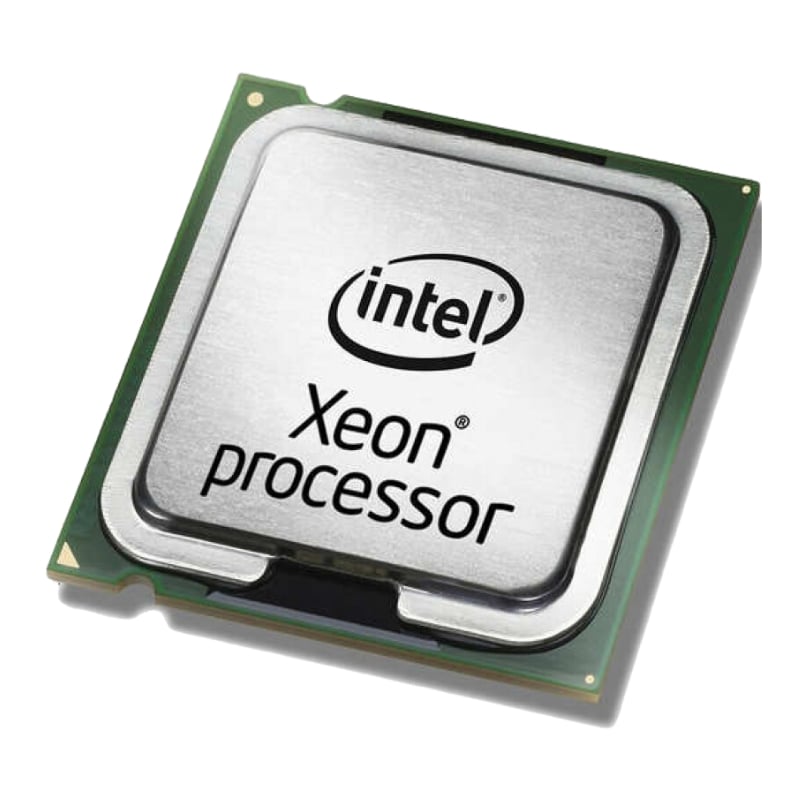
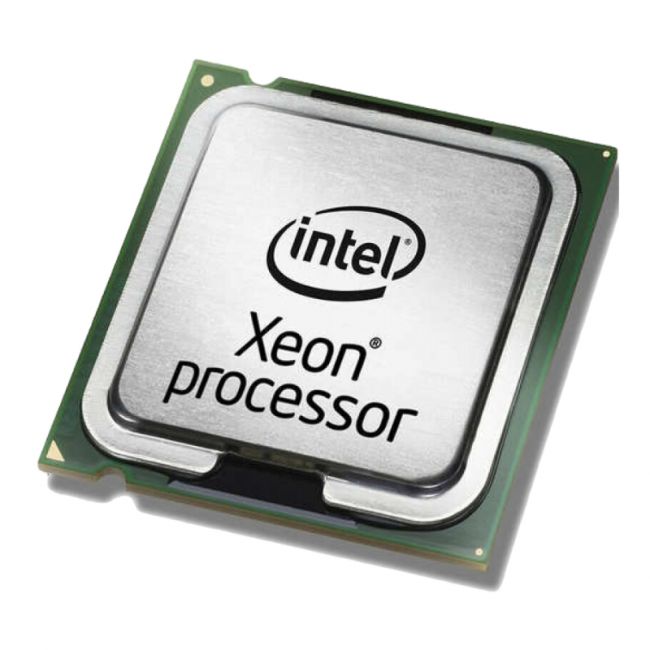
The IBM Xeon 59P4937 is a single-core server processor designed for legacy IBM systems requiring stable performance. With a 2.40 GHz base clock speed and 512KB L2 Cache, it provides efficient data handling for essential server tasks. Its PPGA604 socket ensures seamless integration with compatible IBM servers, while the 77W thermal design power maintains energy efficiency. This processor is a dependable choice for businesses looking to sustain and optimize legacy server operations. |
General Information |
|
|---|---|
| Brand | IBM |
| Part Number | 59P4937 |
| Series | Xeon |
Technical Information |
|
|---|---|
| Total Threads | 1 Thread |
| Base Clock Speed | 2.40 GHz |
| Cache | 512 KB L2 Cache |
| Thermal Design Power | 77 W |
Physical Characteristics |
|
|---|---|
| Weight | 5.00 |
| Condition | Refurbished |
Product Description |
|---|
The IBM Xeon 59P4937 processor is designed for stable and reliable server performance. Featuring a single core and a base clock speed of 2.40 GHz, it delivers dependable processing power for legacy systems. With a 512KB L2 Cache, it ensures efficient data access, improving overall system responsiveness. The processor utilizes the PPGA604 socket type, ensuring compatibility with specific IBM server configurations. Its 77W thermal design power provides balanced performance and energy efficiency, making it a solid choice for maintaining and upgrading legacy server infrastructures. Key Features
The IBM Xeon 59P4937 is an ideal solution for maintaining older server systems, offering stable processing power and compatibility with existing IBM infrastructures. |
Use Cases |
|---|
The IBM Intel Xeon 2.4GHz processor is typically utilized in legacy IBM server environments where stable and consistent performance is critical. It benefits IT operations managing legacy infrastructure, especially in data centers focused on maintaining existing workloads without the need for high core counts. How It's Used:
This processor ensures operational continuity in environments dependent on legacy IBM hardware, offering a balance of performance and power efficiency. It supports workloads that do not require multi-core processing but demand stable and predictable server responsiveness. |
 Shipping Options
 International Delivery
Requires a UPS, FedEx, or DHL account. Customers may arrange pickup from our US warehouse.
International Delivery
Requires a UPS, FedEx, or DHL account. Customers may arrange pickup from our US warehouse.
 Payment Methods
We accept Visa, Mastercard, AMEX, Discover, and Wire Transfer.
Payment Methods
We accept Visa, Mastercard, AMEX, Discover, and Wire Transfer.
 Purchase Orders
We process purchase orders for government agencies, enterprises, data centers, and SMBs.
Purchase Orders
We process purchase orders for government agencies, enterprises, data centers, and SMBs.