

Subscribe To Our Newsletter!
Subscribe to the newsletter to stay up to date with the latest news and most useful
Newsletter
↑
Back to Top



Product Overview |
|---|
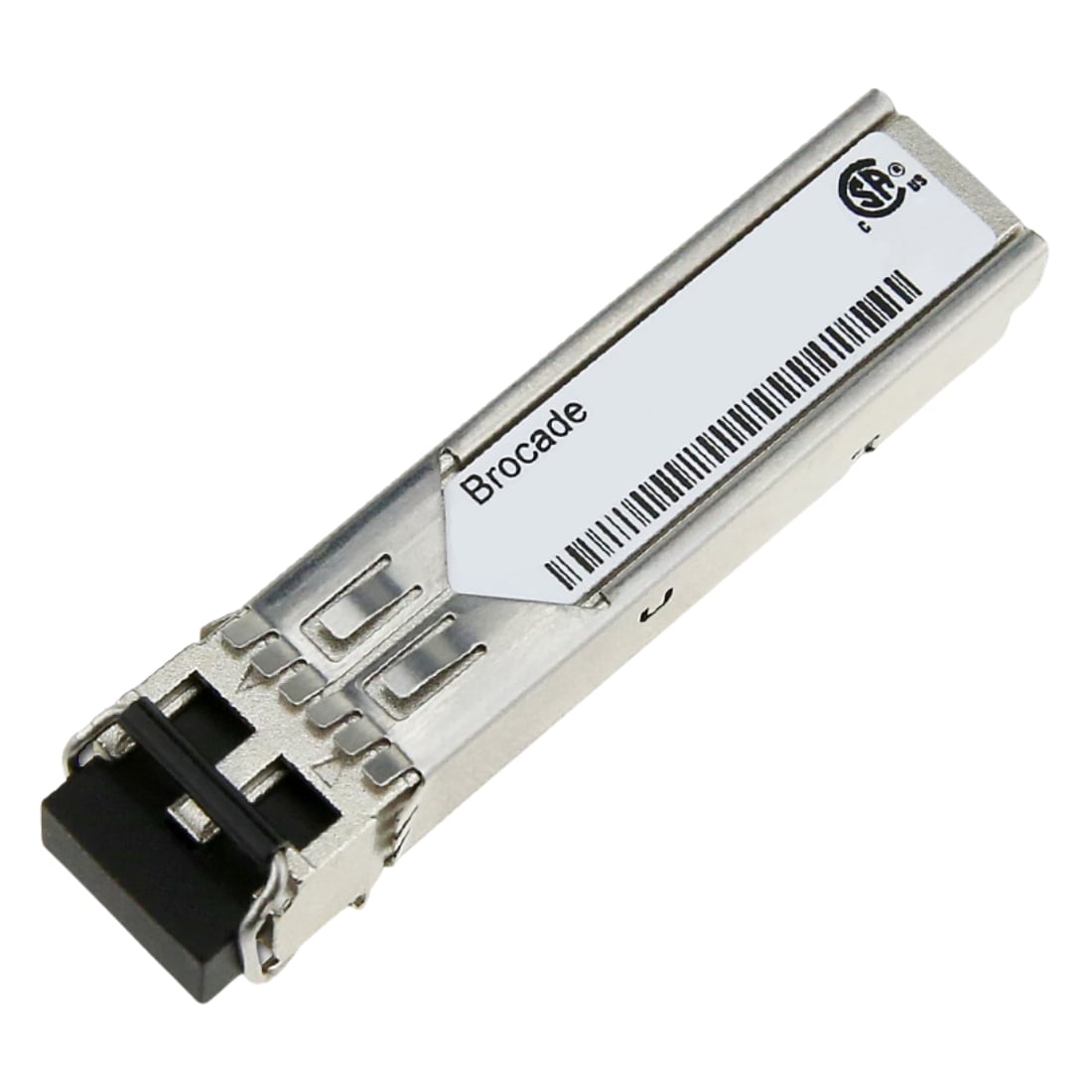
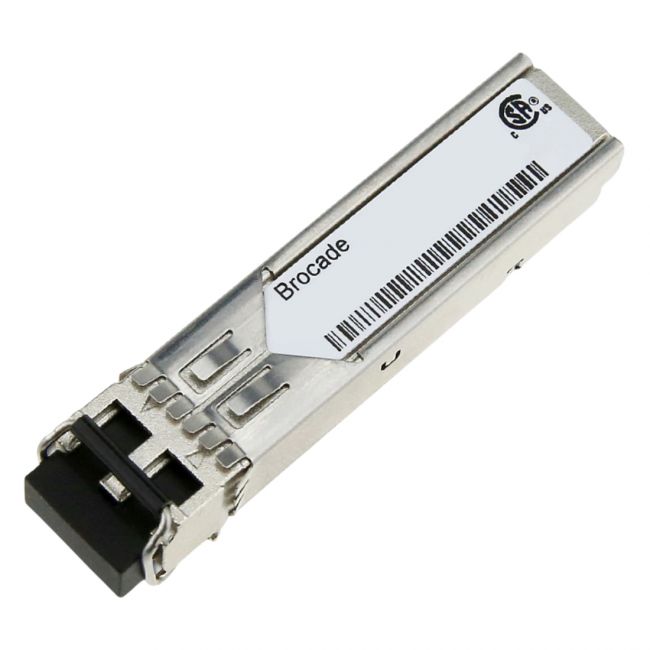
The Lenovo Brocade 100GbE QSFP28 SR4 Transceiver provides fast, short-range optical connectivity for data centers and enterprise networks. It fits into QSFP28 ports and delivers 100Gbps data rates over multi-mode fiber, bridging high-performance switches and servers efficiently. |
General Information |
|
|---|---|
| Brand | Lenovo |
| Part Number | 57-1000508 |
Technical Information |
|
|---|---|
| Form Factor | QSFP28 |
| Media | MMF |
| Type | VCSEL |
| Power Consumption | 3.5 W |
| Protocols | 100GBASE-SR4,100GbE,IEEE 802.3bm |
| Connector | MTP/MPO |
| DOM Support | Yes |
Physical Characteristics |
|
|---|---|
| Weight | 3.00 |
| Condition | Refurbished |
Product Description |
|---|
This Lenovo Brocade 100GbE QSFP28 SR4 Transceiver is designed to facilitate ultra-fast data communication over short distances, making it ideal for data center and enterprise network setups. It transmits and receives data at 100 gigabits per second through multi-mode fiber cables, enabling seamless high-bandwidth connectivity. Commonly used in server farms, storage area networks, and switch-to-switch links, this transceiver helps maintain efficient and reliable network performance. Network administrators and IT professionals benefit from its plug-and-play compatibility and adherence to QSFP28 standards. Key Features
This transceiver is often deployed in large data centers and enterprise networks where high data throughput and low latency are critical. Its reliable performance helps maintain smooth operations and reduces downtime, supporting demanding workloads and applications. |
Use Cases |
|---|
This transceiver is commonly deployed in environments needing high-speed, short-range network connectivity. How It's Used:
By integrating the 57-1000508 transceiver, organizations can ensure efficient, scalable, and high-performance network connectivity tailored to modern data center demands. |
 Shipping Options
 International Delivery
Requires a UPS, FedEx, or DHL account. Customers may arrange pickup from our US warehouse.
International Delivery
Requires a UPS, FedEx, or DHL account. Customers may arrange pickup from our US warehouse.
 Payment Methods
We accept Visa, Mastercard, AMEX, Discover, and Wire Transfer.
Payment Methods
We accept Visa, Mastercard, AMEX, Discover, and Wire Transfer.
 Purchase Orders
We process purchase orders for government agencies, enterprises, data centers, and SMBs.
Purchase Orders
We process purchase orders for government agencies, enterprises, data centers, and SMBs.