

Subscribe To Our Newsletter!
Subscribe to the newsletter to stay up to date with the latest news and most useful
Newsletter
↑
Back to Top



Product Overview |
|---|
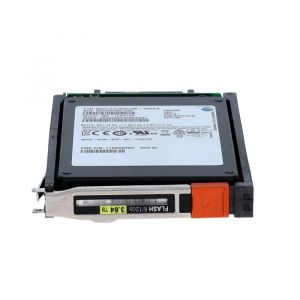
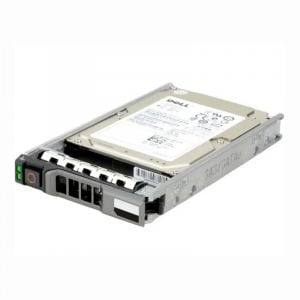
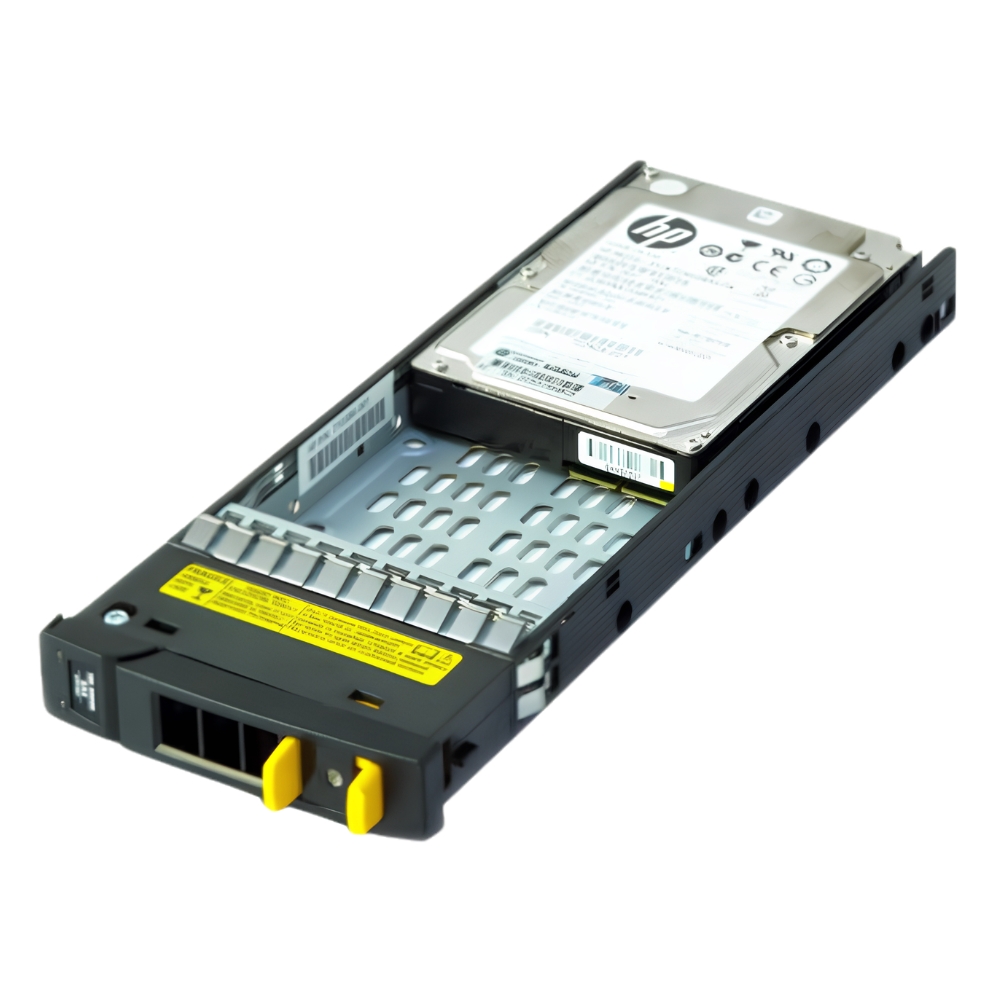
The HPE 5697-2161 200GB Enterprise SSD uses Single-Level Cell (SLC) NAND technology to provide consistent and durable storage performance. It fits in a 2.5-inch form factor and connects via a 6Gb/s SAS interface, making it suitable for enterprise server and storage deployments requiring robust and reliable drive solutions. |
General Information |
|
|---|---|
| Brand | HPE |
Technical Information |
|
|---|---|
| Capacity | 200GB |
| NAND Flash | SLC |
| Memory Technology | Single-Level Cell (SLC) |
| Form Factor | 2.5-inch |
| Interface | SAS 6Gb/s |
| Hot Swappable | Yes |
| Hot Pluggable | Yes |
Physical Characteristics |
|
|---|---|
| Weight | 0.60 |
| Condition | Refurbished |
Miscellaneous |
|
|---|---|
| Eco Friendly | Yes |
| Compliance Standards | WEEE, RoHS |
Product Description |
|---|
The HPE 5697-2161 is a 200GB enterprise-grade solid-state drive (SSD) designed to deliver consistent storage performance. Featuring Single-Level Cell (SLC) NAND technology, it is built to handle demanding workloads with reliability and endurance. The SSD fits into standard 2.5-inch drive bays, facilitating integration into existing enterprise storage infrastructures. This drive connects via a 6Gb/s Serial Attached SCSI (SAS) interface, commonly used in enterprise environments for its scalability and robustness. It is typically utilized by IT professionals in data centers and enterprise server setups requiring dependable storage solutions. Key Features
This SSD plays a critical role in enterprise storage environments where data integrity and consistent access speeds are important. Its technology choices make it suitable for applications requiring reliable storage media with controlled latency. |
Use Cases |
|---|
This HPE 200GB SSD is typically deployed in enterprise data centers and server environments where stable, consistent storage performance is necessary. It serves critical roles in storage arrays and servers handling transactional workloads or demanding data operations. How It's Used:
The drive supports operational needs where data integrity and steady throughput are essential. Its design facilitates integration into established enterprise hardware while managing demanding input/output workloads. |
FAQ's |
|---|
|
 Shipping Options
 International Delivery
Requires a UPS, FedEx, or DHL account. Customers may arrange pickup from our US warehouse.
International Delivery
Requires a UPS, FedEx, or DHL account. Customers may arrange pickup from our US warehouse.
 Payment Methods
We accept Visa, Mastercard, AMEX, Discover, and Wire Transfer.
Payment Methods
We accept Visa, Mastercard, AMEX, Discover, and Wire Transfer.
 Purchase Orders
We process purchase orders for government agencies, enterprises, data centers, and SMBs.
Purchase Orders
We process purchase orders for government agencies, enterprises, data centers, and SMBs.