

Subscribe To Our Newsletter!
Subscribe to the newsletter to stay up to date with the latest news and most useful
Newsletter
↑
Back to Top



Product Overview |
|---|
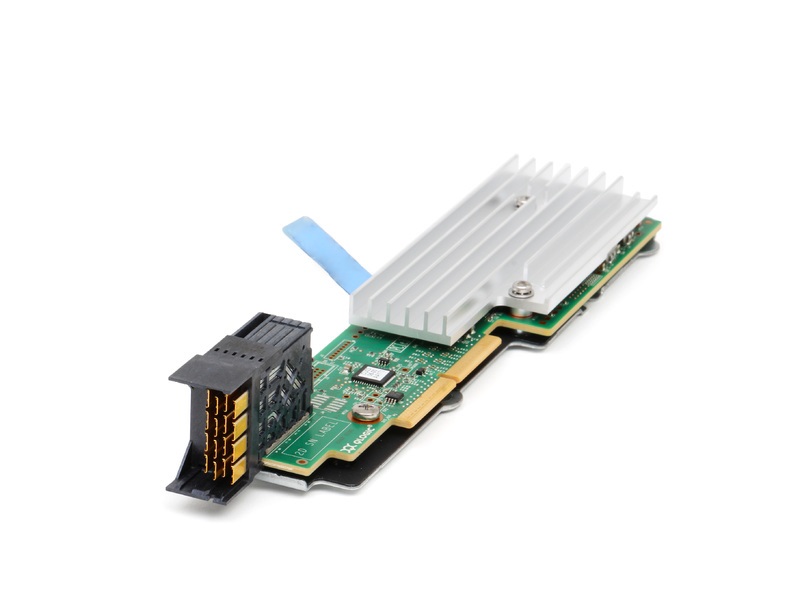
The 540-BCJD Dell QME2742 Dual-Port 32Gb FC MX Mezzanine Card adds high-speed Fibre Channel connectivity to Dell PowerEdge MX servers. It fits directly into the server's mezzanine slot, enabling efficient SAN access for demanding enterprise workloads where storage performance is essential. |
General Information |
|
|---|---|
| Brand | Dell |
| Part Number | 540-BCJD |
Physical Characteristics |
|
|---|---|
| Weight | 5.00 |
| Condition | Refurbished |
Product Description |
|---|
The 540-BCJD Dell QME2742 Dual-Port 32Gb FC MX Mezzanine Card provides robust Fibre Channel connectivity tailored for Dell PowerEdge MX servers. It's built to handle high-speed storage networking, making it a solid choice for data centers and enterprises that require reliable and fast access to SAN storage. Often found in environments where fast, low-latency storage access is critical, this card serves IT professionals managing virtualization, database servers, and heavy transactional workloads. It integrates seamlessly to extend the server's connectivity without compromising space or performance. Key Features
This mezzanine card is typically deployed in data centers running Dell MX servers, where expanding Fibre Channel SAN capabilities is needed. It plays a key role in ensuring smooth data flow and storage reliability in complex IT infrastructures. |
Use Cases |
|---|
The 540-BCJD Dell QME2742 Dual-Port 32Gb FC MX Mezzanine Card is primarily deployed in enterprise data centers and virtualized environments that demand high-throughput, low-latency storage connectivity. It benefits IT teams managing Dell PowerEdge MX server infrastructures requiring robust Fibre Channel SAN access for mission-critical workloads. How It's Used:
This mezzanine card enhances storage throughput and scalability by integrating directly into Dell MX servers, allowing IT operations to maintain consistent performance levels while adapting to evolving storage demands. It contributes to improved resource utilization in environments where storage latency and bandwidth are critical factors. |
 Shipping Options
 International Delivery
Requires a UPS, FedEx, or DHL account. Customers may arrange pickup from our US warehouse.
International Delivery
Requires a UPS, FedEx, or DHL account. Customers may arrange pickup from our US warehouse.
 Payment Methods
We accept Visa, Mastercard, AMEX, Discover, and Wire Transfer.
Payment Methods
We accept Visa, Mastercard, AMEX, Discover, and Wire Transfer.
 Purchase Orders
We process purchase orders for government agencies, enterprises, data centers, and SMBs.
Purchase Orders
We process purchase orders for government agencies, enterprises, data centers, and SMBs.