Subscribe To Our Newsletter!
Subscribe to the newsletter to stay up to date with the latest news and most useful
Newsletter
↑
Back to Top



Product Overview |
|---|
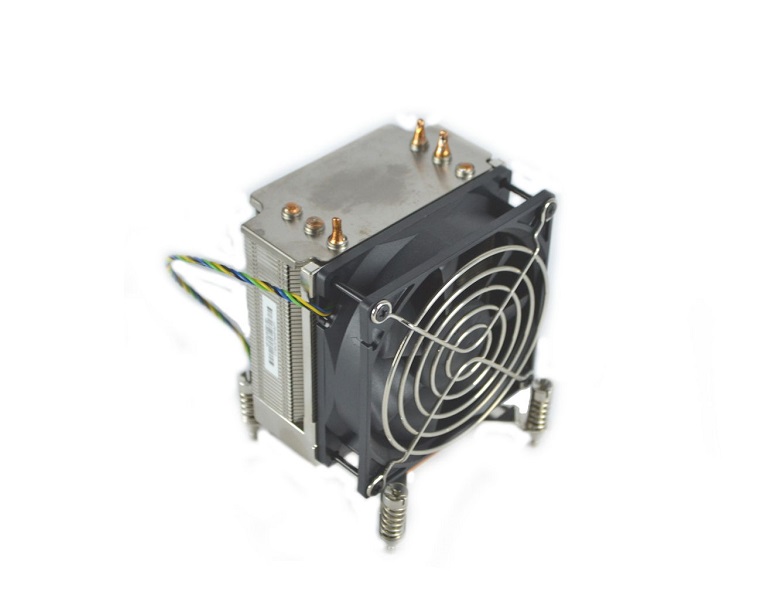
The HP Heatsink with Fan for Z400 is a cooling component designed specifically for HP Z400 workstations. It combines a heatsink and fan to manage CPU temperature effectively, fitting directly into the existing system to support stable and consistent performance during heavy workloads. |
General Information |
|
|---|---|
| Brand | HP |
| Part Number | 538042-001 |
Technical Specification |
|
|---|---|
| Component Type | CPU Heatsink |
| Cooling Method | Active |
| Material | Aluminum fins, copper heat pipes, plastic fan housing |
| Compatibility | HP Z400 Workstation (Intel LGA1366 platforms / Xeon/Core i7 CPUs used in Z400) |
| Voltage | 12V DC |
| Connector Type | 4-pin PWM |
| Airflow Direction | Front-to-rear (pushes air through heatsink toward system exhaust) |
Physical Characteristics |
|
|---|---|
| Form Factor | Integrated CPU heatsink with blower-style fan (OEM HP assembly) |
| Weight | 5.00 |
| Condition | Refurbished |
Miscellaneous |
|
|---|---|
| Assembly Required | Yes |
| Eco Friendly | Yes |
| Compliance Standards | WEEE, RoHS, CE |
Product Description |
|---|
This HP heatsink with fan is built for HP Z400 workstations, providing reliable cooling to the CPU. It’s commonly used in professional or industrial environments where the Z400 handles demanding applications that generate significant heat. Often found in design studios, engineering firms, or video editing setups, it helps keep the system stable and running smoothly. Technicians and users looking to maintain or upgrade their Z400 units benefit from its straightforward installation and dependable performance. Key Features
This cooling solution is typically deployed inside HP Z400 workstations that demand consistent performance over prolonged periods. Its role is crucial in preventing thermal throttling, ensuring tasks like 3D rendering or data processing aren’t interrupted by overheating. |
Use Cases |
|---|
The 538042-001 HP Heatsink with Fan is primarily utilized in HP Z400 workstations where maintaining optimal CPU temperature is critical. IT professionals and system administrators in design studios, engineering firms, and data processing centers rely on this component to ensure system reliability during demanding computational tasks. How It's Used:
By effectively managing heat dissipation, this heatsink with fan combination supports uninterrupted workstation operation and helps prevent thermal throttling. This contributes to sustained performance levels and extends the service life of critical computing hardware in specialized professional environments. |
 Shipping Options
 International Delivery
Requires a UPS, FedEx, or DHL account. Customers may arrange pickup from our US warehouse.
International Delivery
Requires a UPS, FedEx, or DHL account. Customers may arrange pickup from our US warehouse.
 Payment Methods
We accept Visa, Mastercard, AMEX, Discover, and Wire Transfer.
Payment Methods
We accept Visa, Mastercard, AMEX, Discover, and Wire Transfer.
 Purchase Orders
We process purchase orders for government agencies, enterprises, data centers, and SMBs.
Purchase Orders
We process purchase orders for government agencies, enterprises, data centers, and SMBs.