

Subscribe To Our Newsletter!
Subscribe to the newsletter to stay up to date with the latest news and most useful
Newsletter
↑
Back to Top



Product Overview |
|---|
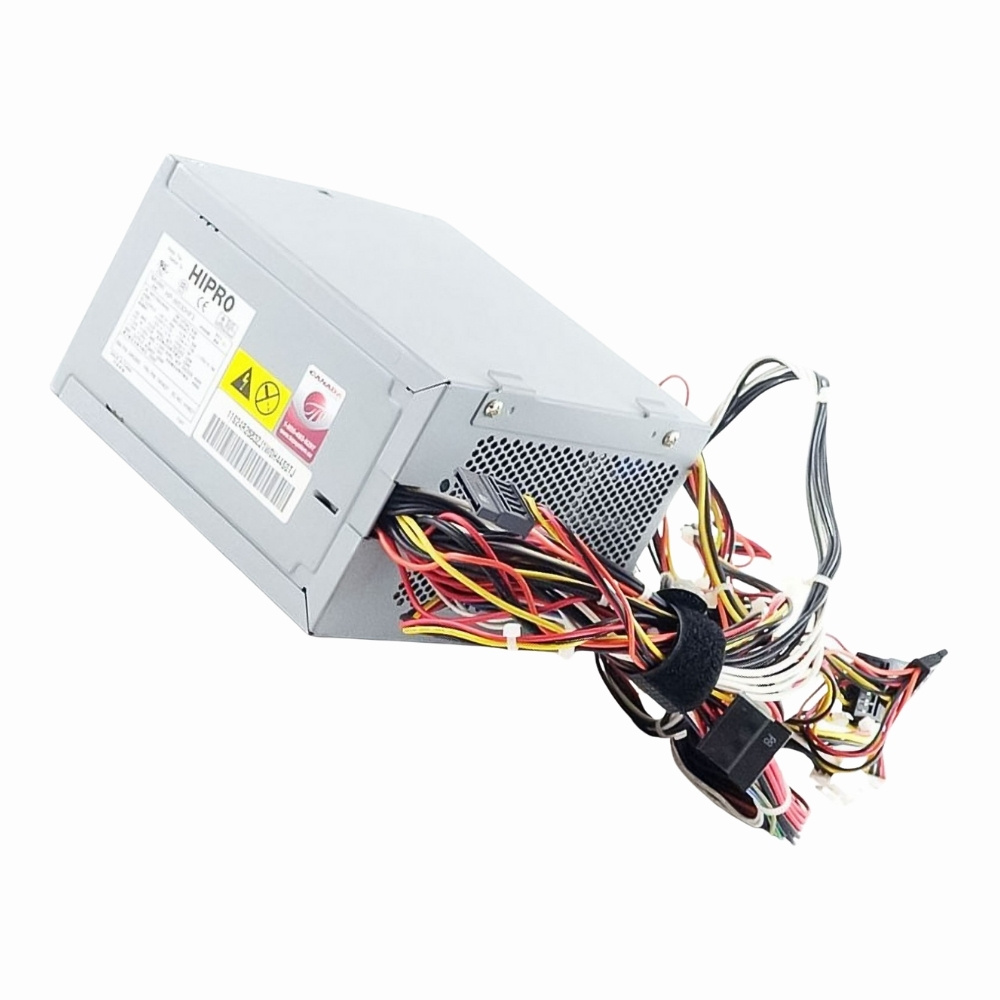
The IBM 52G7955 200-Watt power supply provides a reliable energy source for IBM servers needing 200-240V AC input at 47-63Hz. It fits smoothly into IBM hardware setups and is designed to keep enterprise systems running steadily without interruption. |
General Information |
|
|---|---|
| Brand | IBM |
| Part Number | 52G7955 |
| Product Type | Desktop Power Supply |
| Condition | Refurbished |
Technical Information |
|
|---|---|
| Input Voltage | 200-240V AC |
| Input Frequency | 47-63Hz |
| Output | 12V |
| Max. Output Power | 200W |
| Cooling Type | Active Fan |
| Modularity | Non-Modular |
| rail_design | Single 12V Rail |
| Number of Fans | 1 |
Compatibility |
|
|---|---|
| Form Factor | Proprietary |
Physical Characteristics |
|
|---|---|
| Weight | 3.00 |
Product Description |
|---|
This 200-Watt power supply is built for IBM servers and hardware requiring stable and consistent power delivery. It is commonly used in data centers and enterprise environments that need reliable energy input to maintain system uptime. Often found in IBM server racks, this power supply ensures that hardware components receive the correct voltage and frequency to operate effectively. IT professionals and system administrators benefit from its dependable performance and straightforward integration. Key Features
This power supply is typically deployed in server rooms and data centers where IBM equipment is used. It plays a crucial role in maintaining system reliability and preventing downtime caused by power inconsistencies. |
Use Cases |
|---|
The IBM 52G7955 200-Watt power supply is primarily used in enterprise server environments requiring stable and efficient power delivery. It is well-suited for IT departments managing IBM servers within data centers or distributed office networks that operate on 200-240V AC power standards. How It's Used:
This power supply model enhances operational efficiency by ensuring reliable energy flow within IBM systems, facilitating seamless scalability and reducing the risk of power-related disruptions. Its design aligns with the demands of enterprise IT infrastructures focused on maintaining continuous performance. |
 Shipping Options
 International Delivery
Requires a UPS, FedEx, or DHL account. Customers may arrange pickup from our US warehouse.
 Payment Methods
We accept Visa, Mastercard, AMEX, Discover, and Wire Transfer.
 Purchase Orders
We process purchase orders for government agencies, enterprises, data centers, and SMBs.