

Subscribe To Our Newsletter!
Subscribe to the newsletter to stay up to date with the latest news and most useful
Newsletter
↑
Back to Top



Product Overview |
|---|
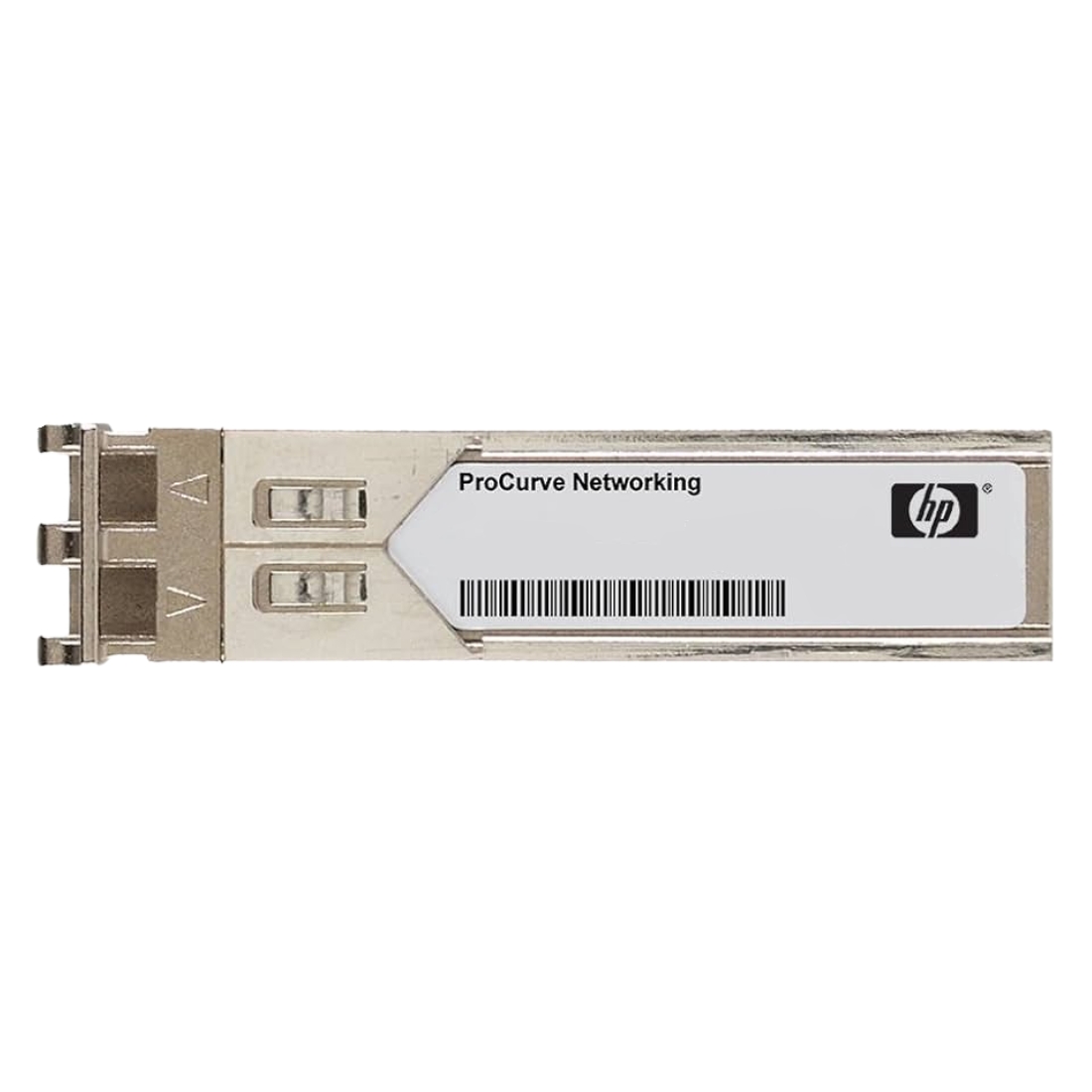
The 5065-6537 HP ProCurve Gigabit Transceiver G enables gigabit Ethernet connections over fiber optic lines, making it a practical component in network setups that require stable and fast data transfer. It fits into HP ProCurve switches and helps extend network reach where copper cabling isn't viable. |
General Information |
|
|---|---|
| Brand | HP |
Technical Information |
|
|---|---|
| Form Factor | SFP |
| Media | MMF |
| Type | VCSEL |
| Power Consumption | 0.5 |
| Protocols | 1000BASE-SX |
| Connector | LC Duplex |
| DOM Support | No |
Physical Characteristics |
|
|---|---|
| Weight | 3.00 |
| Condition | Refurbished |
Product Description |
|---|
The 5065-6537 HP ProCurve Gigabit Transceiver G is designed to enable reliable gigabit Ethernet connections over fiber optic cables. This transceiver module is commonly found in professional networking environments, facilitating high-speed data transfer across switches and network devices. Often utilized in enterprise IT infrastructures or data centers, it suits network administrators and IT professionals seeking stable, long-range communication links. Built for straightforward integration, it fits seamlessly into HP ProCurve switch ports for quick deployment. Key Features
This transceiver plays an essential role in maintaining network reliability and throughput. Its performance supports critical communication infrastructure, helping to reduce downtime and maintain efficient data flow. |
Use Cases |
|---|
The 5065-6537 transceiver is typically deployed in enterprise networking environments or data centers where high-speed fiber optic connections are essential. It benefits network engineers and IT professionals managing scalable and robust infrastructures. How It's Used:
By enabling high-speed fiber connections, this transceiver supports network scalability and operational efficiency in demanding IT settings. It contributes to stable data transmission and helps maintain overall network performance. |
 Shipping Options
 International Delivery
Requires a UPS, FedEx, or DHL account. Customers may arrange pickup from our US warehouse.
International Delivery
Requires a UPS, FedEx, or DHL account. Customers may arrange pickup from our US warehouse.
 Payment Methods
We accept Visa, Mastercard, AMEX, Discover, and Wire Transfer.
Payment Methods
We accept Visa, Mastercard, AMEX, Discover, and Wire Transfer.
 Purchase Orders
We process purchase orders for government agencies, enterprises, data centers, and SMBs.
Purchase Orders
We process purchase orders for government agencies, enterprises, data centers, and SMBs.