

Subscribe To Our Newsletter!
Subscribe to the newsletter to stay up to date with the latest news and most useful
Newsletter
↑
Back to Top



| Product Overview |
|---|
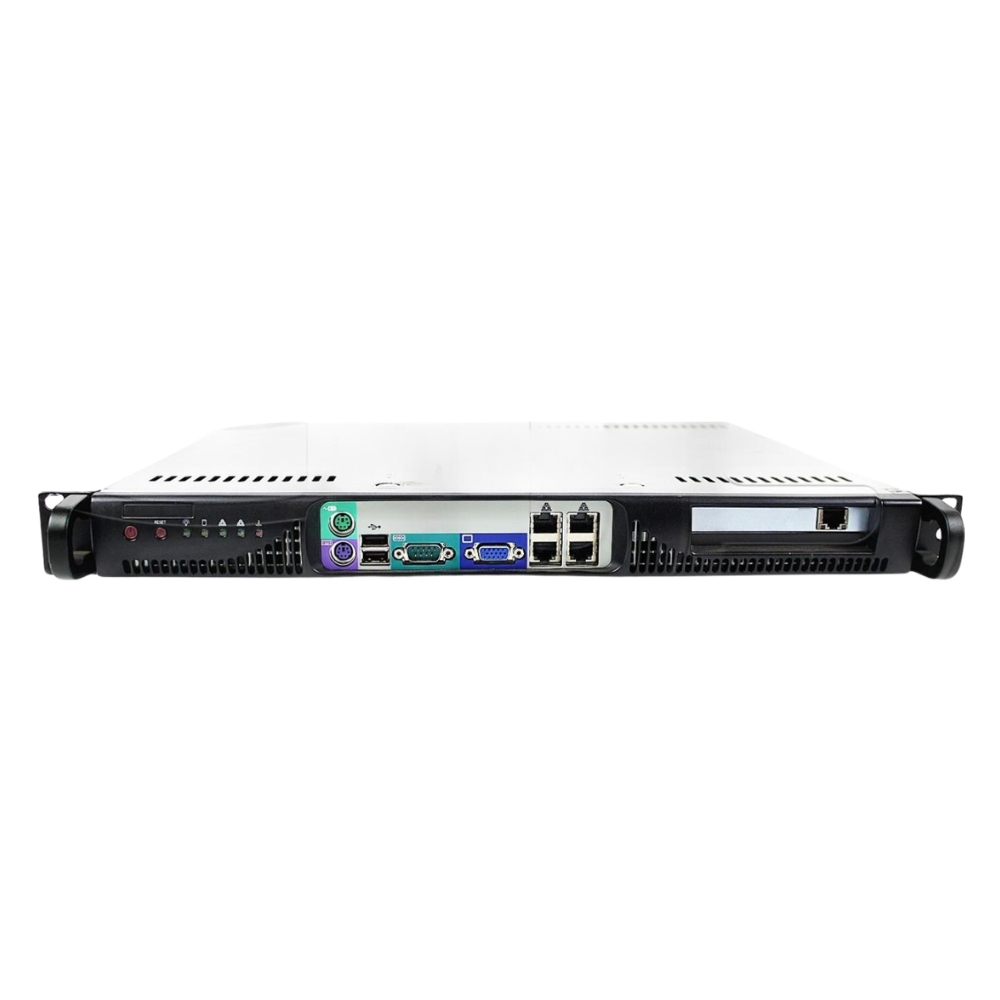
The 5015B-MF-LN4 Supermicro maintenance module provides a combination of processing, memory, and storage tailored for upkeep of XIV storage systems. It fits directly into the server infrastructure to support routine diagnostics and maintenance without interrupting core operations. |
| General Information | |
|---|---|
| Brand | Supermicro |
| Part Number | 5015B-MF-LN4 |
| Technical Information | |
|---|---|
| Series | XIV |
| Compatibility | Supermicro XIV storage systems |
| Miscellaneous | |
|---|---|
| Assembly Required | Yes |
| Eco Friendly | Yes |
| Compliance Standards | WEEE, RoHS, cURus, CE, FCC, CCC, UL, TUV, cULus, CSA, cUL |
| Physical Characteristics | |
|---|---|
| Weight | 3.00 |
| Condition | Refurbished |
| Product Description |
|---|
This maintenance module is built for the Supermicro XIV storage system, providing essential processing power and storage to support system upkeep and diagnostics. It is commonly used in data centers and enterprise environments where reliable storage management tools are needed. Designed for IT professionals managing Supermicro XIV arrays, this module helps streamline maintenance by integrating processing and storage capabilities into one unit. It often appears in setups requiring quick access to system health and repair utilities. Key Features
These modules are typically installed in data centers that rely on Supermicro XIV for large scale storage. They play a crucial role in keeping systems running smoothly by allowing rapid intervention when issues arise. |
| Use Cases |
|---|
This maintenance module is essential for maintaining the operational integrity of Supermicro XIV storage systems. It is utilized in various data center and enterprise environments to ensure system reliability. How It's Used:
By integrating this maintenance module, organizations can maintain high availability and performance for their critical storage infrastructure. |
 Shipping Options
 International Delivery
Requires a UPS, FedEx, or DHL account. Customers may arrange pickup from our US warehouse.
International Delivery
Requires a UPS, FedEx, or DHL account. Customers may arrange pickup from our US warehouse.
 Payment Methods
We accept Visa, Mastercard, AMEX, Discover, and Wire Transfer.
Payment Methods
We accept Visa, Mastercard, AMEX, Discover, and Wire Transfer.
 Purchase Orders
We process purchase orders for government agencies, enterprises, data centers, and SMBs.
Purchase Orders
We process purchase orders for government agencies, enterprises, data centers, and SMBs.