

Subscribe To Our Newsletter!
Subscribe to the newsletter to stay up to date with the latest news and most useful
Newsletter
↑
Back to Top



Product Overview |
|---|
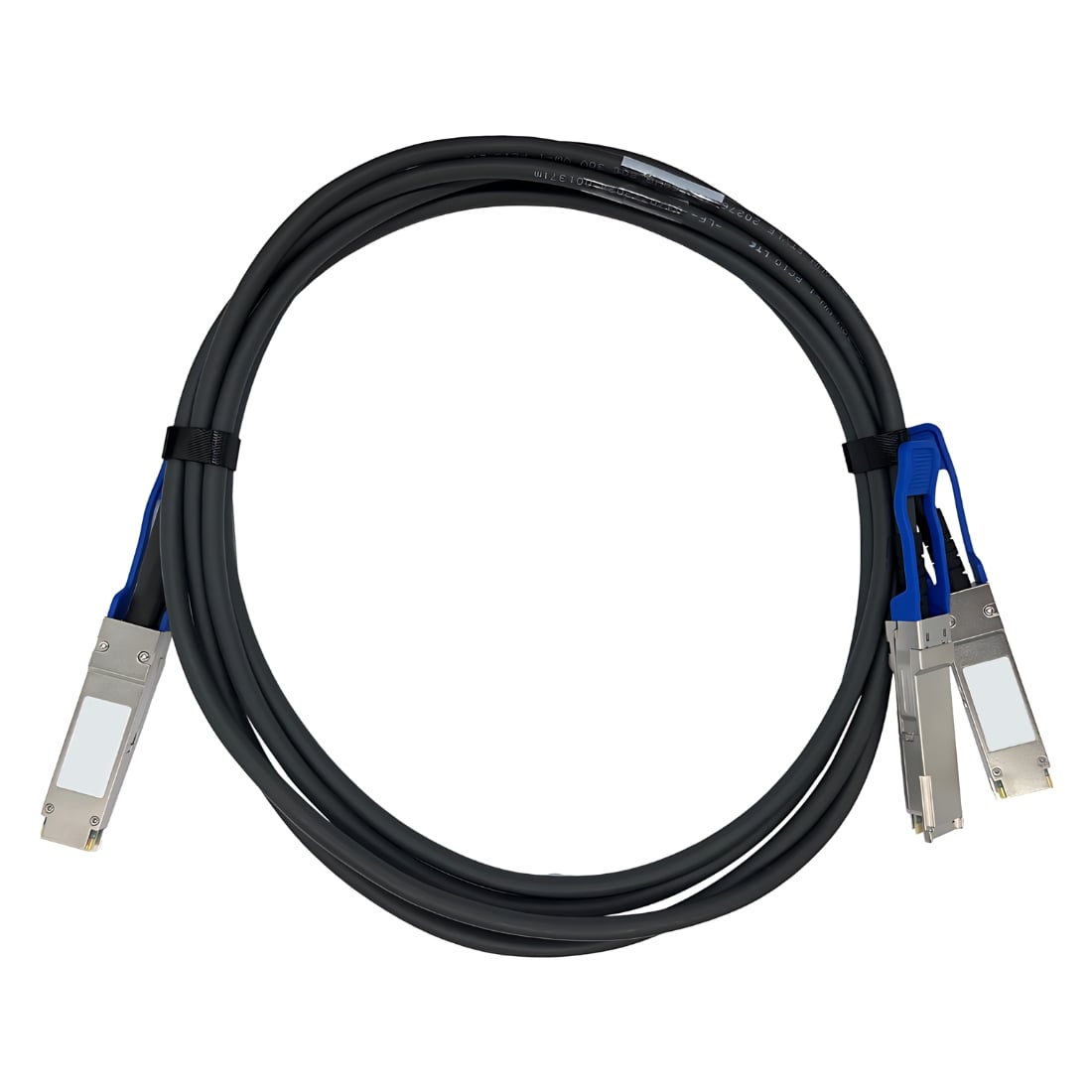
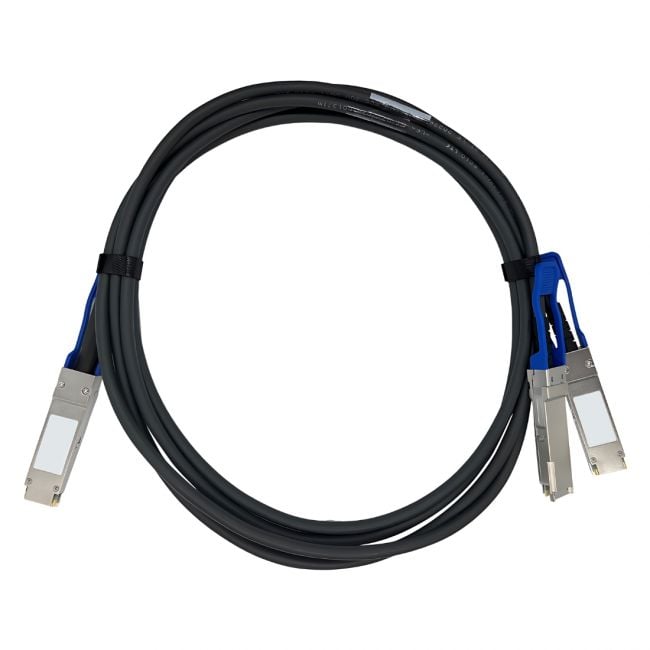
The Lenovo 5m QSFP56 to 2xQSFP56 HDR100 Splitter Optical Cable is designed to split a single QSFP56 HDR100 connection into two ports, making it useful in high-speed InfiniBand networks. It fits naturally in data centers and HPC environments where managing port availability and cable efficiency is key. |
General Information |
|
|---|---|
| Brand | Lenovo |
| Part Number | 4Z57A14197 |
| Alternate Part Number | 4Z57A14197-11-LV |
Technical Information |
|
|---|---|
| Cable Family | DAC/AOC |
| Cable Type | Active Optical Cable (AOC) |
| Data Rate | 100Gbps (HDR100) |
| Cable Length | 5m |
| Compatibility | InfiniBand HDR100, QSFP56 ports, Lenovo and Mellanox compatible switches/hosts |
| product type | Splitter / Breakout Optical Cable |
| Product Category | Network Cable |
Connectivity |
|
|---|---|
| Connector A | QSFP56 |
| Connector B | QSFP56 |
| Cable Connector Gender | Male to Male |
| Connector Type | QSFP56 |
Physical Characteristics |
|
|---|---|
| Form Factor | QSFP56 to 2xQSFP56 |
| Condition | Refurbished |
Product Description |
|---|
This Lenovo 5m QSFP56 to 2xQSFP56 HDR100 Splitter Optical Cable allows a single high-speed InfiniBand connection to be split into two separate QSFP56 ports. It's built for environments where maximizing port density and maintaining high data rates is crucial, such as data centers and HPC clusters. Often found in setups requiring efficient use of fiber infrastructure, this splitter cable helps users expand network connectivity without adding extra transceivers or complicated hardware. Network engineers and system administrators benefit from its straightforward deployment and robust performance. Key Features
This cable is typically deployed in high-performance networking environments, where reducing hardware complexity and space is important. In practice, it helps streamline network topologies while preserving the throughput needed for compute-intensive tasks. Its role in the infrastructure often extends to providing cost-effective port expansion and simplifying optical fiber layouts, making it a practical choice for scaling InfiniBand networks. |
 Shipping Options
 International Delivery
Requires a UPS, FedEx, or DHL account. Customers may arrange pickup from our US warehouse.
International Delivery
Requires a UPS, FedEx, or DHL account. Customers may arrange pickup from our US warehouse.
 Payment Methods
We accept Visa, Mastercard, AMEX, Discover, and Wire Transfer.
Payment Methods
We accept Visa, Mastercard, AMEX, Discover, and Wire Transfer.
 Purchase Orders
We process purchase orders for government agencies, enterprises, data centers, and SMBs.
Purchase Orders
We process purchase orders for government agencies, enterprises, data centers, and SMBs.