

Subscribe To Our Newsletter!
Subscribe to the newsletter to stay up to date with the latest news and most useful
Newsletter
↑
Back to Top



Product Overview |
|---|
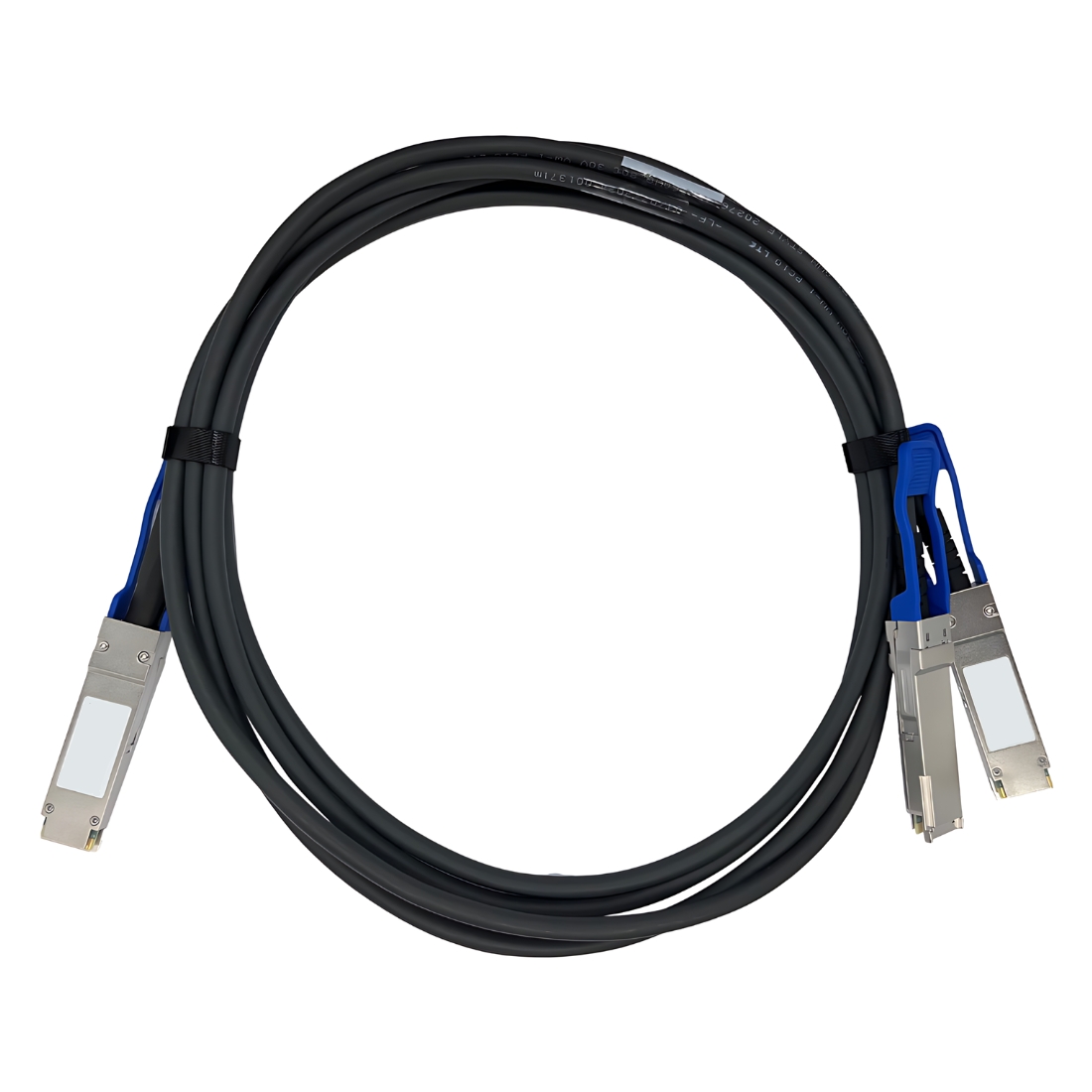
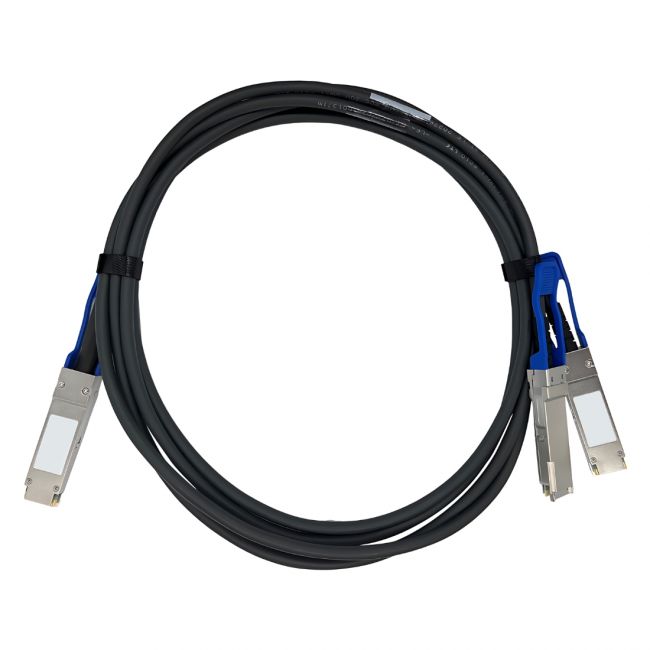
The Lenovo 1.5m QSFP56 to 2xQSFP56 HDR100 Splitter Passive Copper InfiniBand Network Cable serves as a practical solution for splitting a single high-speed QSFP56 port into two. It fits into network environments focused on HDR100 InfiniBand technology, helping users efficiently double their port availability while maintaining low-latency connections. |
General Information |
|
|---|---|
| Brand | Lenovo |
| Part Number | 4Z57A14194 |
| Alternate Part Number | 4Z57A14194-13-CT |
Technical Information |
|
|---|---|
| Cable Family | Network Copper |
| Cable Type | Direct Attach Cable (DAC) |
| Data Rate | 100Gb/s (HDR100 per QSFP56 link) |
| Cable Length | 1.5 m |
| Compatibility | InfiniBand HDR100; QSFP56 ports; compatible with Lenovo QSFP56-capable adapters and switches |
| product type | Passive splitter direct-attach cable (DAC) |
| Product Category | Network Cable |
Connectivity |
|
|---|---|
| Connector A | QSFP56 |
| Connector B | QSFP56 |
| Cable Connector Gender | Male to Male |
Physical Characteristics |
|
|---|---|
| Form Factor | QSFP56 |
| Condition | Refurbished |
Product Description |
|---|
This Lenovo splitter cable divides one QSFP56 port into two QSFP56 connections, enabling users to expand their InfiniBand network links without additional switches. Often found in data centers, it helps optimize port usage where high bandwidth and low latency are critical. Built for environments running HDR100 InfiniBand, it suits system admins and network engineers managing HPC clusters or storage networks requiring rapid data transfers. The passive copper design keeps installation simple and maintenance low. Key Features
This cable is typically deployed in high-performance computing setups and enterprise data centers where port expansion is needed without adding active hardware. It streamlines hardware setups and helps maintain consistent network performance across multiple InfiniBand endpoints. |
Use Cases |
|---|
The 4Z57A14194 Lenovo 1.5m QSFP56 to 2xQSFP56 HDR100 Passive Copper InfiniBand Splitter Cable is primarily utilized in high-performance computing environments where maximizing port density is critical. IT teams in data centers and enterprise campuses that deploy HDR100 InfiniBand networks benefit from its ability to split a single QSFP56 port into two, optimizing existing infrastructure without adding active components. How It's Used:
This splitter cable enhances operational scalability by allowing network administrators to increase available ports without physical expansion of switch hardware. Its passive copper design contributes to reliable performance in dense rack deployments, supporting sustained high-speed data flows essential for compute- and data-intensive workloads. |
 Shipping Options
 International Delivery
Requires a UPS, FedEx, or DHL account. Customers may arrange pickup from our US warehouse.
International Delivery
Requires a UPS, FedEx, or DHL account. Customers may arrange pickup from our US warehouse.
 Payment Methods
We accept Visa, Mastercard, AMEX, Discover, and Wire Transfer.
Payment Methods
We accept Visa, Mastercard, AMEX, Discover, and Wire Transfer.
 Purchase Orders
We process purchase orders for government agencies, enterprises, data centers, and SMBs.
Purchase Orders
We process purchase orders for government agencies, enterprises, data centers, and SMBs.