

Subscribe To Our Newsletter!
Subscribe to the newsletter to stay up to date with the latest news and most useful
Newsletter
↑
Back to Top



Product Overview |
|---|
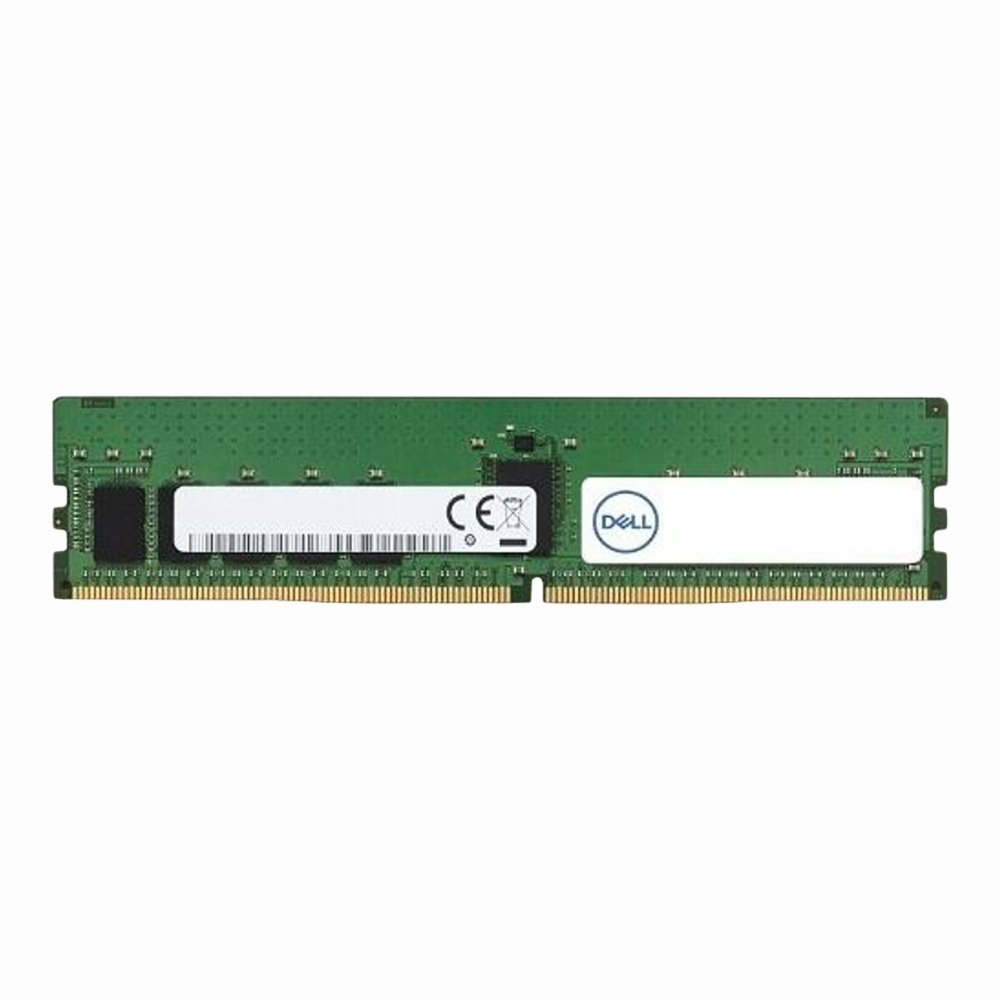
The 4N59R Dell 16GB DDR5-5600 Non-ECC Unbuffered DIMM Memory module offers a balanced combination of size, speed, and reliability, featuring DDR5 technology at 5600 MT/s with Samsung OEM components tailored for Dell desktop systems. |
General Information |
|
|---|---|
| Brand | Dell |
| Part Number | 4N59R |
Technical Information |
|
|---|---|
| Memory Capacity | 16GB |
| Memory Technology | DDR5 |
| Module Type | UDIMM |
| RAM Standard | PC5-44800 |
| Pin Count | 288-Pin |
| Error Correction | Non-ECC |
| Voltage | 1.1V |
Performance |
|
|---|---|
| Bus Speed | 5600 MT/s |
| Bandwidth | 44800 MB/s |
| Native Speed | 5600 MT/s |
Physical Characteristics |
|
|---|---|
| Package | FBGA |
| Weight | 0.50 |
| Condition | Refurbished |
Miscellaneous |
|
|---|---|
| Compliance Standards | RoHS |
| Assembly Required | No |
Product Description |
|---|
The 4N59R Dell 16GB DDR5-5600 Non-ECC Unbuffered DIMM Memory Samsung OEM is a high-performance memory module designed to provide efficient and reliable system upgrades. It is commonly found in Dell desktop workstations and servers that require fast and stable memory solutions. This memory module is specifically engineered to support computing environments where rapid data processing is essential. It benefits IT professionals, gamers, and content creators who demand enhanced system responsiveness and multitasking capabilities. Key Features
Upgrading to this module can significantly improve system speed and stability, making it suitable for everyday computing tasks as well as more demanding applications. Its reliable build and compatibility ensure long-term usage without compromising performance. |
Use Cases |
|---|
The 4N59R Dell 16GB DDR5-5600 Non-ECC Unbuffered DIMM Memory module is well-suited for users needing to enhance their desktop computing environments. How It's Used:
This memory module enables users to maintain system efficiency and reliability while handling modern computing demands. |
 Shipping Options
 International Delivery
Requires a UPS, FedEx, or DHL account. Customers may arrange pickup from our US warehouse.
International Delivery
Requires a UPS, FedEx, or DHL account. Customers may arrange pickup from our US warehouse.
 Payment Methods
We accept Visa, Mastercard, AMEX, Discover, and Wire Transfer.
Payment Methods
We accept Visa, Mastercard, AMEX, Discover, and Wire Transfer.
 Purchase Orders
We process purchase orders for government agencies, enterprises, data centers, and SMBs.
Purchase Orders
We process purchase orders for government agencies, enterprises, data centers, and SMBs.