

Subscribe To Our Newsletter!
Subscribe to the newsletter to stay up to date with the latest news and most useful
Newsletter
↑
Back to Top



Product Overview |
|---|
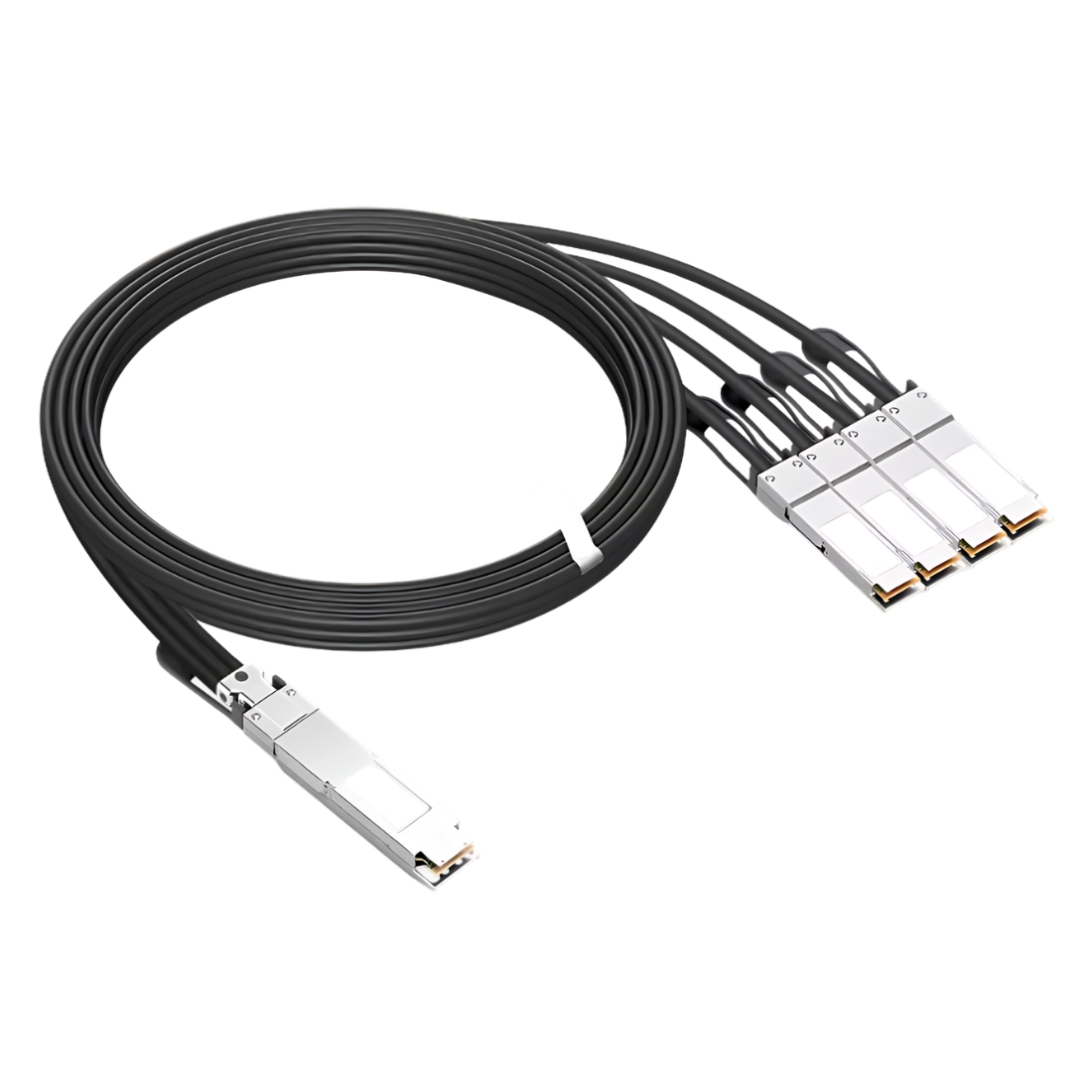
The IBM DAC Breakout Network Cable splits a 40GbE QSFP+ connection into four 10GbE links, making it a practical solution for data centers and enterprise networks. It fits where multiple 10GbE connections are needed from a single high-speed port, providing straightforward and reliable connectivity without extra hardware. |
General Information |
|
|---|---|
| Brand | IBM |
| Part Number | 49Y7888 |
| Alternate Part Number | 49Y7888-13-CT |
Technical Information |
|
|---|---|
| Cable Family | DAC/AOC |
| Cable Type | Direct Attach Cable (DAC) |
| Data Rate | 40Gb/s (4 x 10Gb/s) |
| Cable Length | 16.40 ft (5 m) |
| Compatibility | Devices with QSFP+ ports (40GbE) and SFP+ ports (10GbE); IBM switches and network devices supporting QSFP+ to 4x SFP+ breakout DAC |
| product type | Direct Attach Breakout Cable (QSFP+ to 4x SFP+) |
| Product Category | Network Cable |
Connectivity |
|
|---|---|
| Connector A | QSFP+ |
| Connector B | SFP+ |
| Cable Connector Gender | Male to Male |
| Connector Type | QSFP+ to 4x SFP+ |
Physical Characteristics |
|
|---|---|
| Weight | 0.60 |
| Condition | Refurbished |
Product Description |
|---|
The IBM DAC Breakout Network Cable provides a straightforward way to split a high-bandwidth 40 Gigabit Ethernet connection into multiple 10 Gigabit Ethernet links. Built for environments needing efficient data distribution, this cable is often found in data centers and enterprise networks where QSFP+ ports are utilized. Network administrators and IT professionals rely on this cable to simplify connectivity between switches, servers, and storage systems without needing extra transceivers. Its 16.4 ft length offers enough reach for common rack and cabinet arrangements while maintaining signal integrity. Key Features
This breakout cable is typically deployed in data center racks where space and efficiency are priorities. It helps streamline network architecture by reducing hardware complexity and improving cable management. Users benefit from stable high-speed connections that support demanding applications without additional configuration hassles. |
 Shipping Options
 International Delivery
Requires a UPS, FedEx, or DHL account. Customers may arrange pickup from our US warehouse.
International Delivery
Requires a UPS, FedEx, or DHL account. Customers may arrange pickup from our US warehouse.
 Payment Methods
We accept Visa, Mastercard, AMEX, Discover, and Wire Transfer.
Payment Methods
We accept Visa, Mastercard, AMEX, Discover, and Wire Transfer.
 Purchase Orders
We process purchase orders for government agencies, enterprises, data centers, and SMBs.
Purchase Orders
We process purchase orders for government agencies, enterprises, data centers, and SMBs.