

Subscribe To Our Newsletter!
Subscribe to the newsletter to stay up to date with the latest news and most useful
Newsletter
↑
Back to Top



Product Overview |
|---|
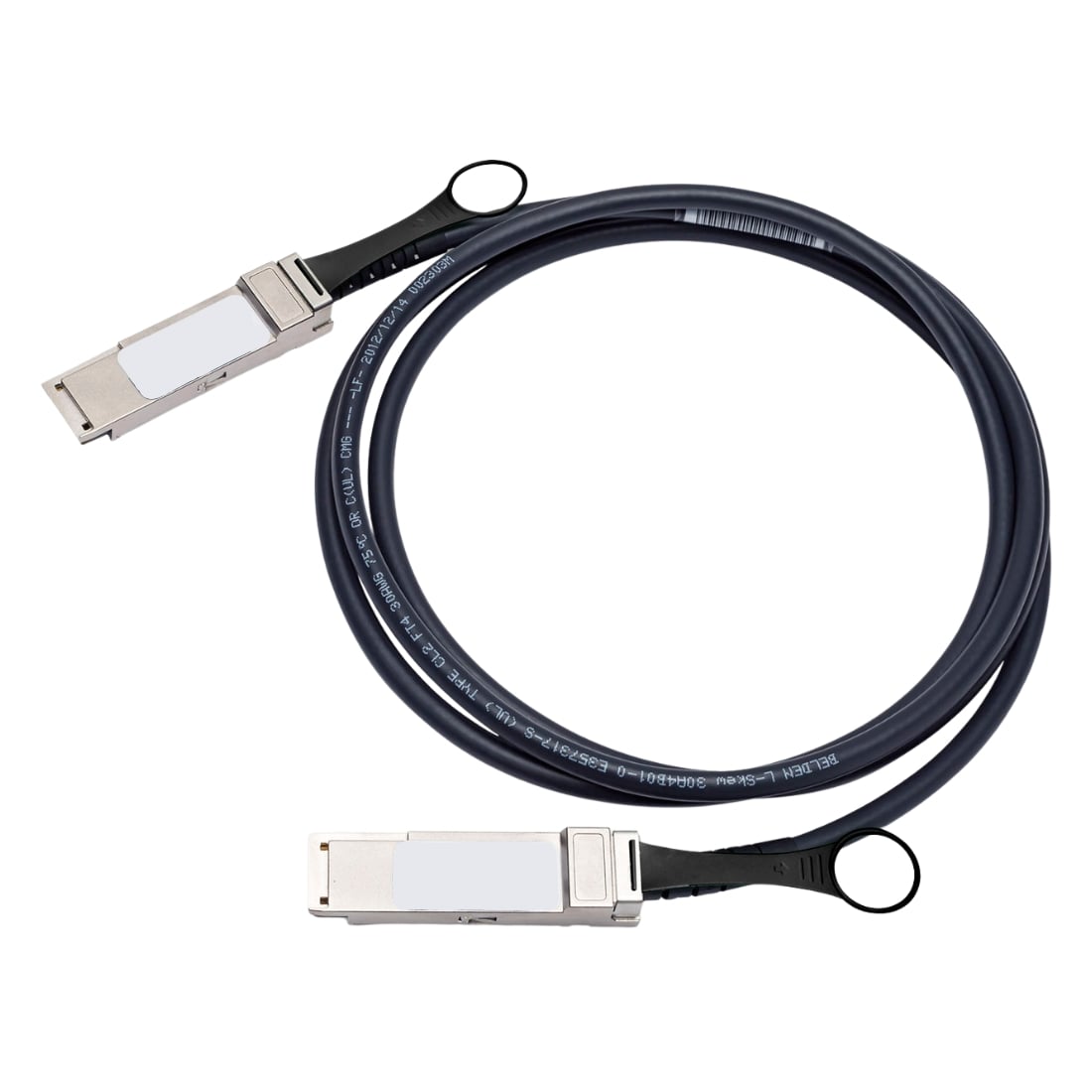
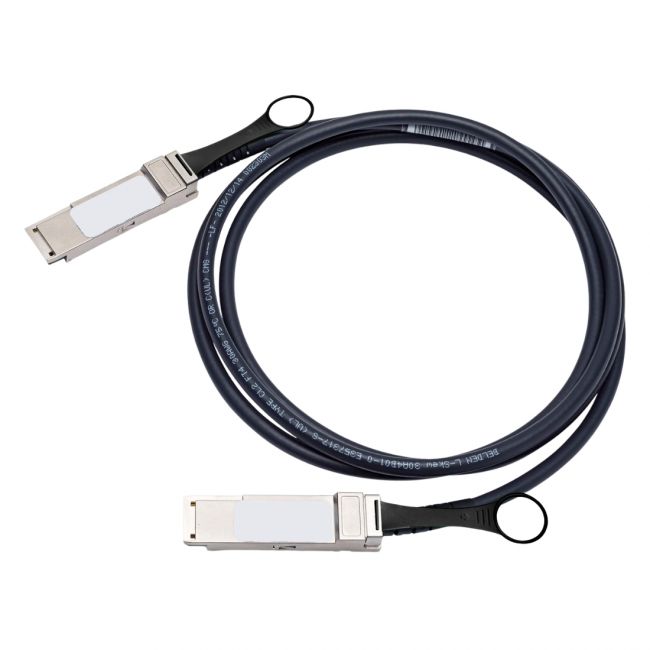
The IBM 2m Mellanox QSFP Passive Copper FDR14 Infiniband Cable provides a straightforward way to connect compatible QSFP ports over short distances using passive copper. It's a practical choice for setups that need high-speed data exchange without the complexity of active components, fitting seamlessly into data center or HPC infrastructures requiring reliable and efficient cabling solutions. |
General Information |
|
|---|---|
| Brand | Mellanox |
| Part Number | 46W0583 |
| Alternate Part Number | 46W0583-11-CT |
Technical Information |
|
|---|---|
| Cable Family | DAC/AOC |
| Cable Type | Direct Attach Cable (DAC) |
| Data Rate | 56Gb/s (FDR14 — 14Gb/s per lane x4) |
| Cable Length | 2m |
| Compatibility | Mellanox QSFP ports; InfiniBand FDR14 devices; QSFP-compatible NICs and switches (including IBM systems using IBM PN 46W0583) |
| product type | Passive Copper Direct Attach Cable (DAC) |
| Product Category | Network Cable |
Connectivity |
|
|---|---|
| Connector A | QSFP+ |
| Connector B | QSFP+ |
| Cable Connector Gender | Male to Male |
| Connector Type | QSFP+ |
Physical Characteristics |
|
|---|---|
| Form Factor | QSFP+ |
| Condition | Refurbished |
Product Description |
|---|
This 2-meter QSFP passive copper cable from Mellanox is designed to provide robust and efficient connectivity for data centers and high-performance computing setups. It supports FDR14 Infiniband speeds, making it suitable for environments where fast and reliable data transfer is critical. Often found in HPC clusters and storage networks, this cable is built for use with IBM and Mellanox QSFP ports, ensuring compatibility and stable performance. Network engineers and IT professionals typically rely on such cables for connecting servers and switches without the need for active signal amplification. Key Features
This cable is commonly used in data centers and HPC environments where direct attach copper solutions are preferred for short-distance links. Its passive design simplifies deployment and maintenance while providing the fast, low-latency connections needed for intensive data traffic. |
 Shipping Options
 International Delivery
Requires a UPS, FedEx, or DHL account. Customers may arrange pickup from our US warehouse.
International Delivery
Requires a UPS, FedEx, or DHL account. Customers may arrange pickup from our US warehouse.
 Payment Methods
We accept Visa, Mastercard, AMEX, Discover, and Wire Transfer.
Payment Methods
We accept Visa, Mastercard, AMEX, Discover, and Wire Transfer.
 Purchase Orders
We process purchase orders for government agencies, enterprises, data centers, and SMBs.
Purchase Orders
We process purchase orders for government agencies, enterprises, data centers, and SMBs.