

Subscribe To Our Newsletter!
Subscribe to the newsletter to stay up to date with the latest news and most useful
Newsletter
↑
Back to Top



Product Overview |
|---|
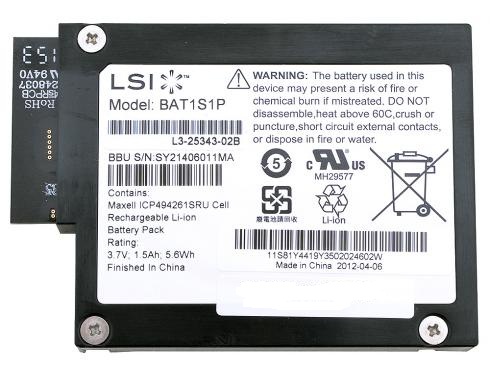
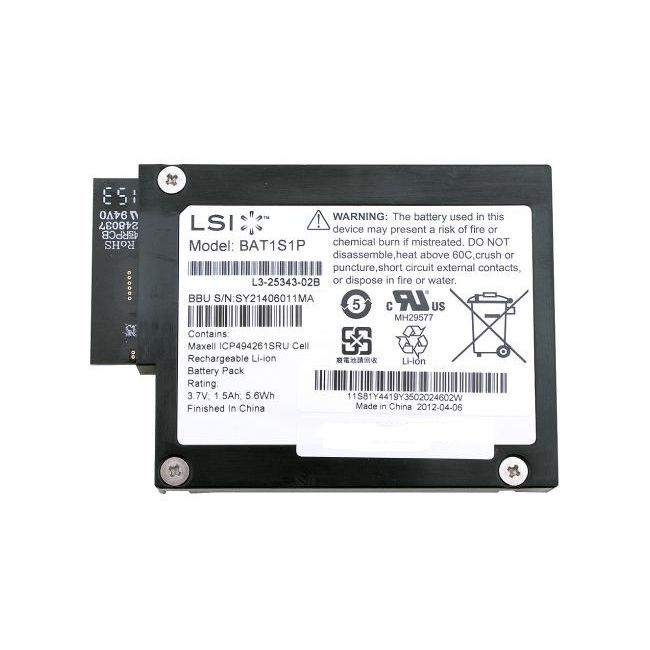
The IBM ServeRAID M5000 Series Battery Module provides essential backup power for RAID controller cache during outages. It’s a practical component that fits into server setups to keep data safe until main power returns, helping maintain system stability and reduce the risk of lost information. |
General Information |
|
|---|---|
| Brand | IBM |
| Part Number | 46M0917 |
Technical Information |
|
|---|---|
| Compatibility | IBM ServeRAID M5000 Series |
Physical Characteristics |
|
|---|---|
| Condition | Refurbished |
| Weight | 5.00 |
Miscellaneous |
|
|---|---|
| Eco Friendly | Yes |
| Assembly Required | Yes |
| Compliance Standards | WEEE, RoHS, cURus, CE, FCC, CCC, UL, TUV, cULus, CSA, cUL |
Product Description |
|---|
This battery module is built for IBM ServeRAID M5000 Series RAID controllers to safeguard cached data when power interruptions occur. It provides backup power that helps prevent data loss by maintaining cache memory until power is restored. Commonly used in data centers and enterprise server environments, it supports IT professionals and system administrators who need to maintain system reliability and data integrity. Key Features
These battery modules are typically found in server racks within business data centers or other critical computing environments. They play a crucial role in preventing data corruption and ensuring smooth recovery after power disruptions. |
Use Cases |
|---|
The IBM ServeRAID M5000 Series Battery Module is primarily utilized in enterprise storage environments where data integrity during power interruptions is critical. It is especially beneficial for data centers and IT infrastructures that deploy IBM ServeRAID M5000 Series RAID controllers to ensure continuous cache protection and prevent data loss. How It's Used:
This battery module supports operational resilience by safeguarding cached data, which is essential for maintaining system stability and preventing performance degradation. Its integration into existing RAID configurations helps optimize storage reliability and scalability in mission-critical applications. |
 Shipping Options
 International Delivery
Requires a UPS, FedEx, or DHL account. Customers may arrange pickup from our US warehouse.
International Delivery
Requires a UPS, FedEx, or DHL account. Customers may arrange pickup from our US warehouse.
 Payment Methods
We accept Visa, Mastercard, AMEX, Discover, and Wire Transfer.
Payment Methods
We accept Visa, Mastercard, AMEX, Discover, and Wire Transfer.
 Purchase Orders
We process purchase orders for government agencies, enterprises, data centers, and SMBs.
Purchase Orders
We process purchase orders for government agencies, enterprises, data centers, and SMBs.